Wave of hacks in Japan hits millions of shoppers and students
Several Japanese firms and a university have reported hacks or data leaks since Monday. Osaka Metropolitan University canceled classes after a suspected ransomware attack shut down about 500 servers. Store chain Mr Max says data on up to 1.7 million customers may be exposed, and a survey firm says data on 948,500 members was stolen.
Japan is dealing with a run of hacks. Since Monday, several companies and a university have reported cyberattacks or data leaks that could touch millions of people, Xinhua reported. The cases appear to be separate.
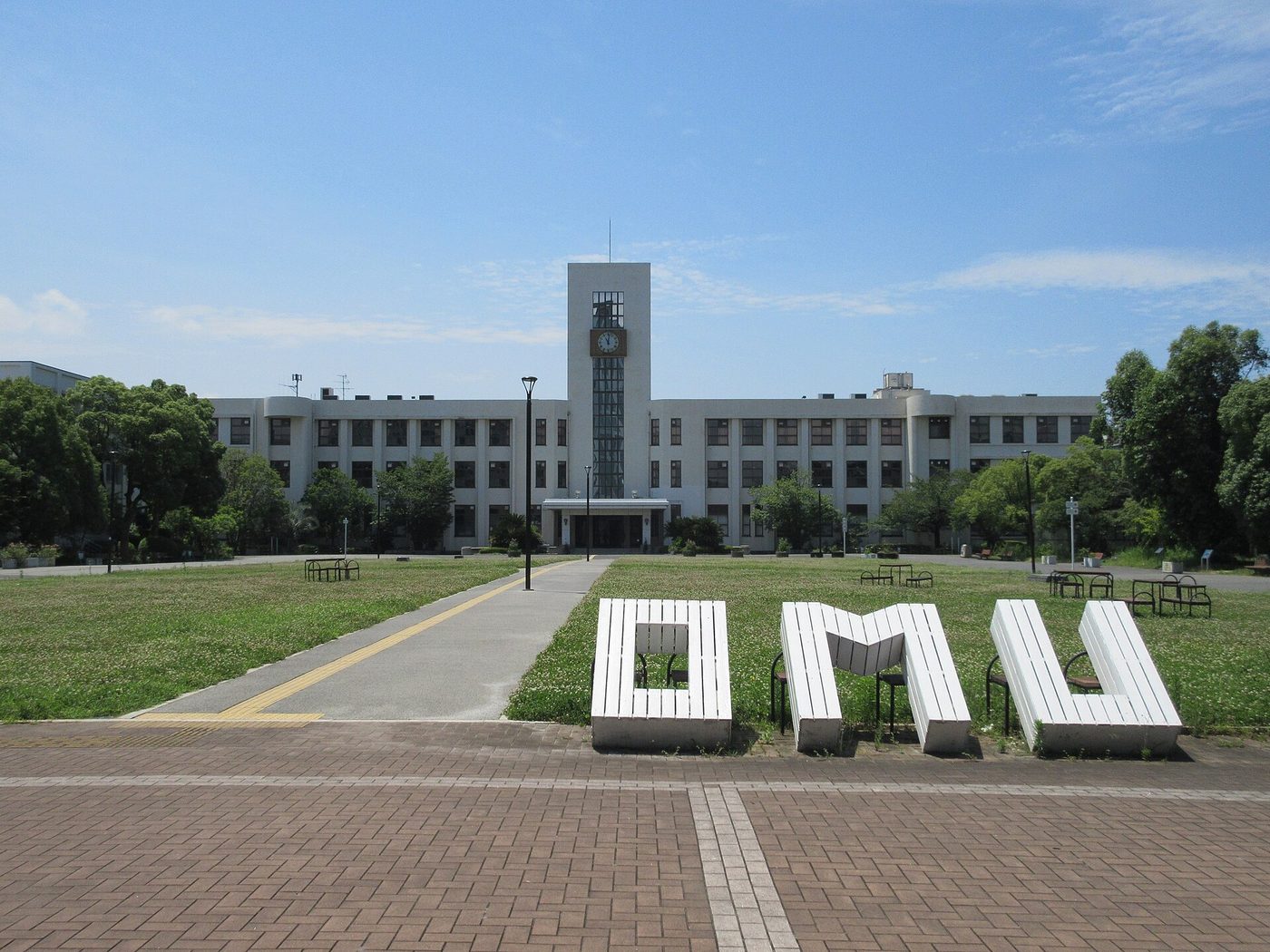
The most disruptive hit a campus. About 500 servers at Osaka Metropolitan University stopped working after a suspected ransomware attack on Friday, the Japan Times reported. Ransomware locks up computer systems until a ransom is paid. Names, addresses and email addresses for at least 130,000 current and former students and teachers may have been exposed.
The student network and the staff portal were still down Monday, and lectures were canceled. "It is regrettable that we could not prevent the incident," said university president Hiroyuki Sakuragi. The school hopes to restart classes Friday.
Survey company GMO Research & AI said data on as many as 948,500 members was stolen, Anadolu Agency reported, citing Kyodo News. The stolen data included names, email and home addresses, phone numbers and encrypted passwords. Hackers also cashed in members' reward points worth about 2.9 million yen, or $18,000, for Amazon gift card codes. The attack began Friday through a flaw in software the site used. GMO says it will fully repay affected users.
Discount store chain Mr Max said personal data on up to 1.7 million customers may have been exposed through a server for its app and online store. Names, email addresses and phone numbers were at risk, but not credit card numbers or home addresses. Mr Max said it found no sign of misuse but warned customers to watch for phishing emails, fake messages meant to steal more information.
Those cases follow others. The company behind the Yakiniku King barbecue chain said Monday that more than 10 million pieces of customer data leaked from its reservation app. Daiwa Securities said data on about 110,000 customers may have been exposed through a contractor's server.
What we know: At least four groups reported breaches this week, and a university closed classes.
What we don't: Who is behind the attacks, and whether any are linked.
Where outlets agree The Japan Times and Xinhua both report that data on at least 130,000 Osaka Metropolitan University students and teachers may have been exposed after an attack that knocked out about 500 servers.
Where they differ Xinhua describes the breaches as separate incidents, and no outlet has named who carried out any of them.