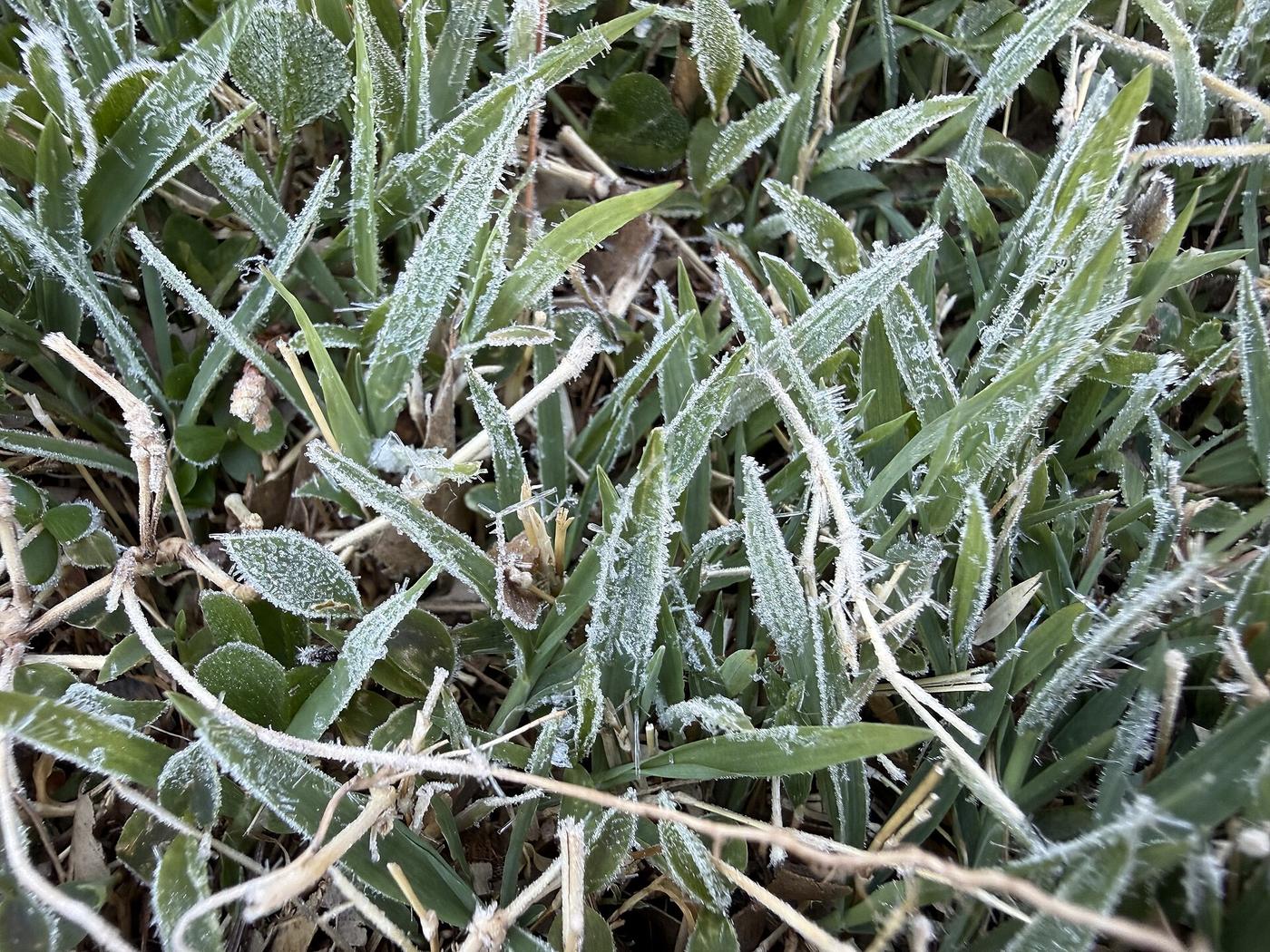
Freeze warnings and frost advisories chill the Northeast Wednesday morning
Freeze warnings covered parts of upstate New York and western Massachusetts early Wednesday, with frost advisories from the Hudson Valley to inland Connecticut and the Champlain Valley. The alerts end between 7 and 9 a.m. A hard freeze can end the growing season for tender plants, but afternoon highs should rebound to the 60s.
A clear, cold night brought freeze and frost alerts to much of the Northeast early Wednesday.
The National Weather Service posted freeze warnings until 8 a.m. for northern Saratoga, southeast Warren and Washington counties in New York. That area includes Glens Falls and Saratoga Springs. In western Massachusetts, a freeze warning for Franklin and Hampshire counties runs until 9 a.m., with lows of 26 to 32 degrees.
Frost advisories cover a wider area. They include the Capital District and the Hudson Valley, from Albany and Troy south to Kingston and Poughkeepsie, plus Litchfield County in Connecticut. Advisories also cover Orange and Putnam counties in New York, all of inland Connecticut and interior Massachusetts, the Boston Globe and CT Insider reported. The Champlain Valley in Vermont and New York had an advisory until 7 a.m.
"In the coldest rural and higher-elevation locations, a freeze could effectively bring the growing season to an end," AccuWeather meteorologist Alyssa Glenny told Wicked Local. Some Connecticut towns already saw their first frost Tuesday morning, when Danbury's airport dipped to 36 degrees.
Is this early? It depends on where you live. In Amherst, Massachusetts, the average first frost is Oct. 3, but in Worcester it's Oct. 14, Wicked Local reported, citing the Farmers' Almanac. Boston usually doesn't see its first frost until early November.
To protect plants, cover them with a blanket or row cover to trap heat, and mulch low plantings. Watering before a frost helps, because moist soil holds more heat than dry soil, the Old Farmer's Almanac says. The weather service warns that cold can also damage outdoor plumbing, so drain and store garden hoses.
The chill won't last all day. Highs should reach the mid-60s across much of New England on Wednesday under mostly sunny skies, the Globe forecast. Dry weather is expected into the start of the holiday weekend.
What we know: Freeze and frost alerts covered much of the interior Northeast through mid-morning.
What we don't: How much damage the cold did to late crops and gardens.
Where outlets agree The Boston Globe and Wicked Local both report a freeze warning for Franklin and Hampshire counties in western Massachusetts and frost advisories across interior Massachusetts.
Where they differ The Boston Globe, citing weather service records, puts Boston's average first frost at Nov. 5, while Wicked Local, citing the Farmers' Almanac, puts it at Nov. 3.