Flu season starts early in the West; experts urge shots now
Flu is rising about a month earlier than usual, starting on the West Coast, NPR and Nature reported Tuesday. H1N1 caused 96% of typed U.S. flu cases in late September, and many Seattle samples carry a mutation that may help it dodge immunity. Doctors there are seeing Christmas-level flu now and urge vaccination soon.
Flu season appears to be starting early this year, and in an unusual place. The share of people testing positive for flu has been rising since early September, and flu emergency room visits have crept up for weeks, Johns Hopkins epidemiologist Caitlin Rivers told NPR. "It's definitely coming quite a bit earlier than we've seen in a typical year," she said.
The rise started in the West, in California, Washington, Hawaii and Alaska, NPR reported. That is odd, Rivers said, because new waves usually start in the South. At the University of Washington in Seattle, doctors are seeing as much flu as they usually would around Christmas, said Dr. Alex Greninger, who heads infectious disease testing there.
Nature reported that the H1N1 type of flu caused 96% of the U.S. cases that were typed in the week ending Sept. 26. Last year, a different type, H3N2, led the season. Scientists are watching an H1N1 mutation called G155E. Greninger's lab found it in 13 of 17 Seattle samples it could fully read. A study led by Jesse Bloom of Fred Hutchinson Cancer Center, not yet peer reviewed, found some strains with this change are less well recognized by people's existing antibodies, especially in teens and young adults.
Experts also urge caution. Flu activity is still low in most of the country. "An early start doesn't necessarily mean a more severe season," Oxford epidemiologist James Hay told Nature.
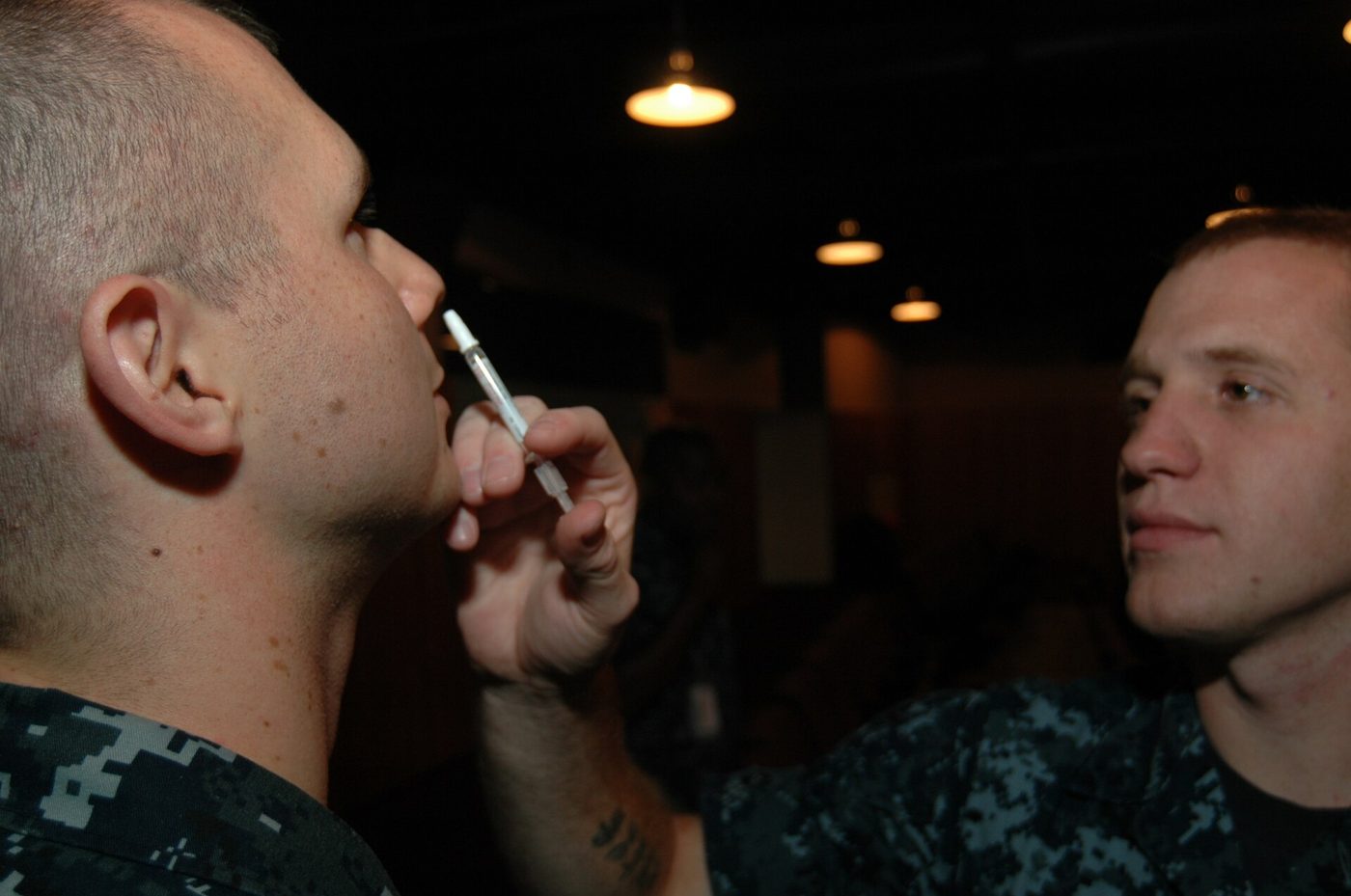
The advice is simple: don't wait. "If you haven't gotten a flu vaccine, you should go get it now," Greninger told NPR. The vaccine should still protect well, and older adults have a new option, the first flu shot made with mRNA. Rivers told Nature she would usually wait until mid- to late October for a shot, but now plans to get one as soon as she can.
The CDC has been quieter than usual about flu shots, NPR reported. Dr. Demetre Daskalakis, who quit as a top CDC flu expert last year, called that "frankly disappointing," since flu kills hundreds of children a year. A CDC spokesperson told NPR the agency is building a flu shot message that will cover benefits and risks.
You can hear Rob Stein's report from NPR's All Things Considered on the NPR website.
What we know: Flu is rising early on the West Coast, and H1N1 leads U.S. samples so far.
What we don't: Whether the early start means a worse season, and how far the mutated strain will spread.
Where outlets agree NPR and Nature both report that flu is rising unusually early on the U.S. West Coast, and both quote Caitlin Rivers saying people should get vaccinated sooner.
Where they differ Greninger calls the mutated H1N1 strain the best explanation for the early surge, but Oxford's James Hay cautions that an early start does not necessarily mean a worse season.