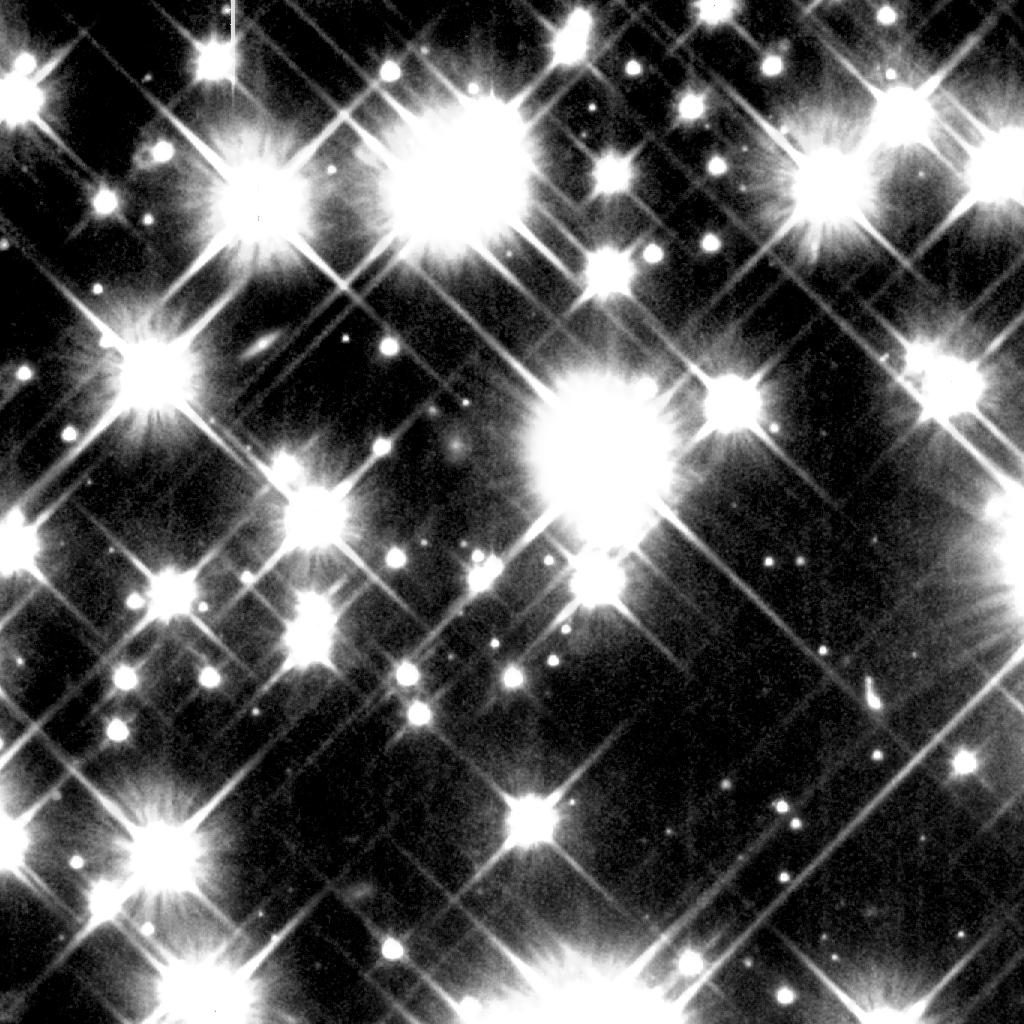
Astronomers find a 'phoenix' planet born from a dead star's ashes
Astronomers reported Monday what may be the first planet ever found that formed from the remains of a dead star, a white dwarf about 790 light-years away. Our Sun will become a white dwarf someday, so the find hints at a second life for planetary systems. The study appeared in Nature Astronomy.
A planet seems to have risen from the ashes of the star it orbits. Astronomers led by the University of Warwick in England reported on Oct. 5 in Nature Astronomy that a white dwarf called HS 0209+0832 likely hosts a "second-generation" planet. If confirmed, it would be the first such planet found around a white dwarf.
A white dwarf is the small, dense core left after a star like the Sun runs out of fuel. As the star dies, it swells into a red giant and sheds its outer layers. This planet appears to have formed from that shed material.
"It's a bit like finding a planet that has risen from the ashes of the very star it once orbited," said Jamie Williams, a Warwick doctoral student and the study's first author.
The clue was in the star's atmosphere. White dwarfs often show traces of rock-forming elements like silicon and iron from planets they have pulled apart. This one had almost no iron. Instead, it was rich in zinc, copper and especially niobium, a rare metal, at levels over 1,000 times higher than in the Sun. Niobium had never been seen in a white dwarf before.
Those elements are made by a slow process inside dying red giants, said Nicholas Stone of the University of Wisconsin-Madison. "It's a chemical signature no ordinary, 'first-generation' planet should carry," he said.
NASA's TESS space telescope added evidence. The white dwarf's brightness flickers every 4.4 days. That fits a Jupiter-sized gas giant orbiting very close, about 6 million kilometers away, Science News reported. The planet's outer air is likely boiling off and raining onto the star.
The finding has a history. Scientists predicted such planets more than 15 years ago, and similar reborn worlds were suspected around pulsars. "This is the first time we've seen evidence for that process," said Zifan Lin of Washington University in St. Louis, who was not part of the study.
Our Sun will become a white dwarf in about 6 billion years. Could it build a new planet? "I think it's definitely possible," Williams told Science News.
What we know: A white dwarf shows a chemical fingerprint and light signal that point to a reborn giant planet.
What we don't: Whether follow-up observations will confirm the planet.
Where outlets agree Space.com and Science News both report that the white dwarf HS 0209+0832 carries unusual niobium-rich pollution and a 4.4-day TESS signal pointing to a second-generation giant planet.
Where they differ The team calls a planet the most reasonable explanation, but the find is still a candidate, and Williams told Science News they are not sure what else it could be.