GM and Ford sales slip as EV demand collapses
General Motors and Ford both reported lower U.S. sales for the third quarter, down 5.5% and 6.6%, as electric vehicle purchases collapsed after the federal tax credit expired. Toyota and Honda gained ground by selling more hybrids, which are popular with gasoline averaging $4.41 a gallon. Ford still predicts a strong fourth quarter.
Detroit's two biggest automakers sold fewer vehicles this summer, and electric cars took the hardest hit.
General Motors said its U.S. sales fell 5.5% in the third quarter to 670,974 vehicles, CNBC reported. Ford's fell 6.6% to 509,764, according to the Detroit Free Press.
Electric vehicles drove much of the drop. A year ago, customers rushed to purchase EVs before the Trump administration ended federal tax credits worth up to $7,500. That rush gave both companies record EV sales in the third quarter of 2025, which makes this year's results look especially weak by comparison.
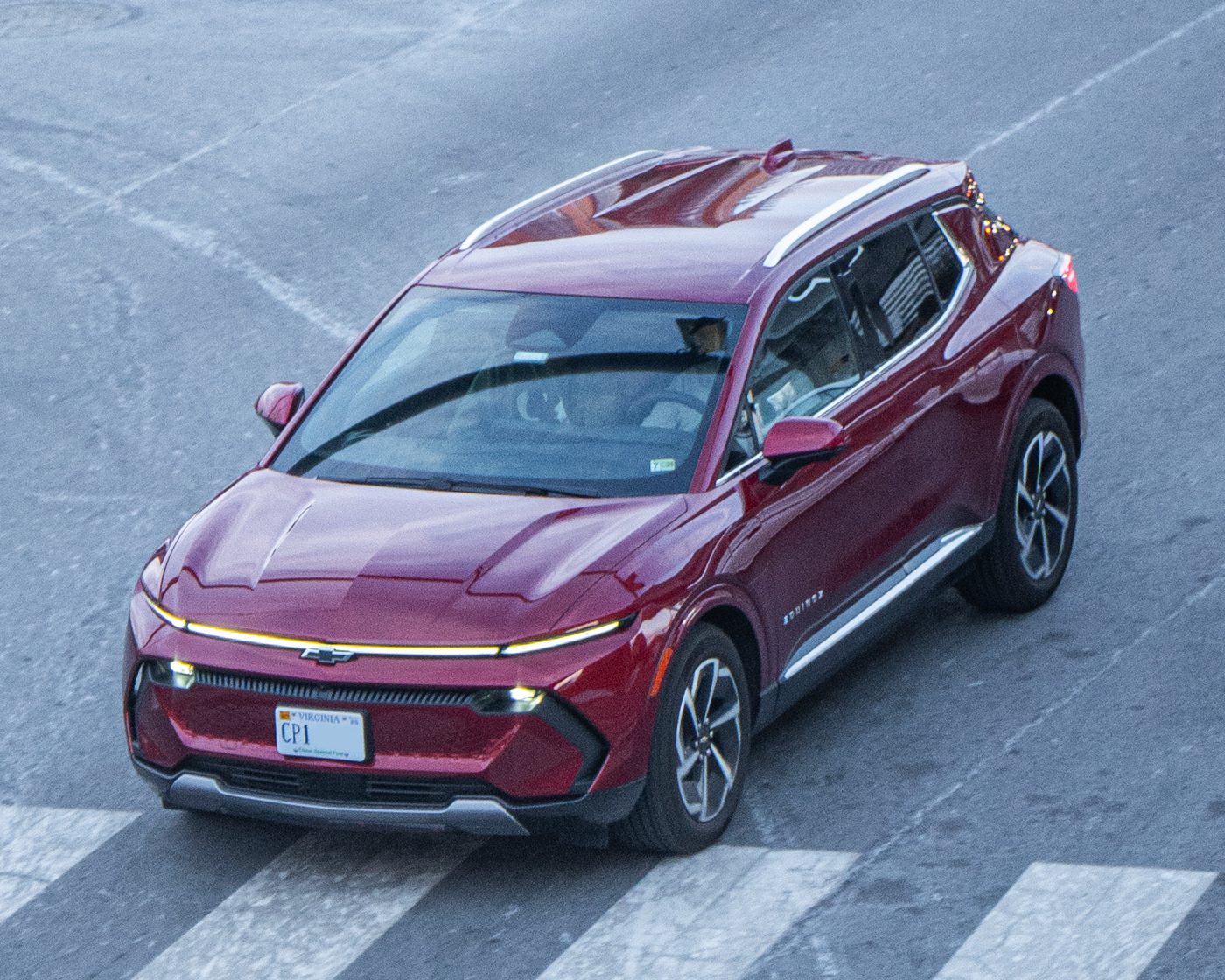
At GM, the Chevrolet Equinox EV fell 92.4% to just 1,905 vehicles. The Blazer EV was down 84.4%, and the Hummer EV fell 72.9%, CNBC reported. Ford's EV sales dropped about 80% in the quarter, including a 97.1% plunge for the discontinued F-150 Lightning pickup.
Hybrids, which pair a gasoline engine with an electric motor, were the clear winners. Toyota's sales rose 0.6%, with hybrids and EVs making up more than 57% of the total. Honda's sales jumped 9.3%, with a record 106,000-plus hybrids. GM sells only one hybrid, a Corvette, CNBC noted. "We've got really high demand for hybrids," said Lance Woelfer, who heads Honda's U.S. sales.
Expensive gasoline is part of the reason, with the national average at $4.41 a gallon, according to AAA data cited by CNBC.
Both Detroit companies pointed to bright spots. GM said sales of gas-powered vehicles were roughly level with a year ago, and cheaper models like the Chevrolet Trailblazer rose 51%. Ford's F-Series pickups fell only 1.9%. Ford said that, setting aside two small SUVs it stopped making, its sales were about flat while the overall industry fell about 1%.
"Some of the headwinds we had early in the year are kind of behind us, and it's really setting us up for a really strong Q4," Ford U.S. sales chief Rob Kaffl said, as quoted by CNBC.
The competition for position is tightening, as Ford barely held third place over Hyundai's group, CNBC reported. Toyota is now less than 136,000 vehicles behind GM for the year.
What we know: Both automakers sold less, and EV sales collapsed.
What we don't: Whether higher fuel prices will hurt sales of big trucks and SUVs, which both companies rely on.
Where outlets agree CNBC and the Detroit Free Press both report that Ford's third-quarter U.S. sales fell 6.6% and GM's fell 5.5%.
Where they differ Ford says its sales were essentially flat after setting aside discontinued models, while CNBC's tally emphasizes steep EV losses at both Detroit companies.