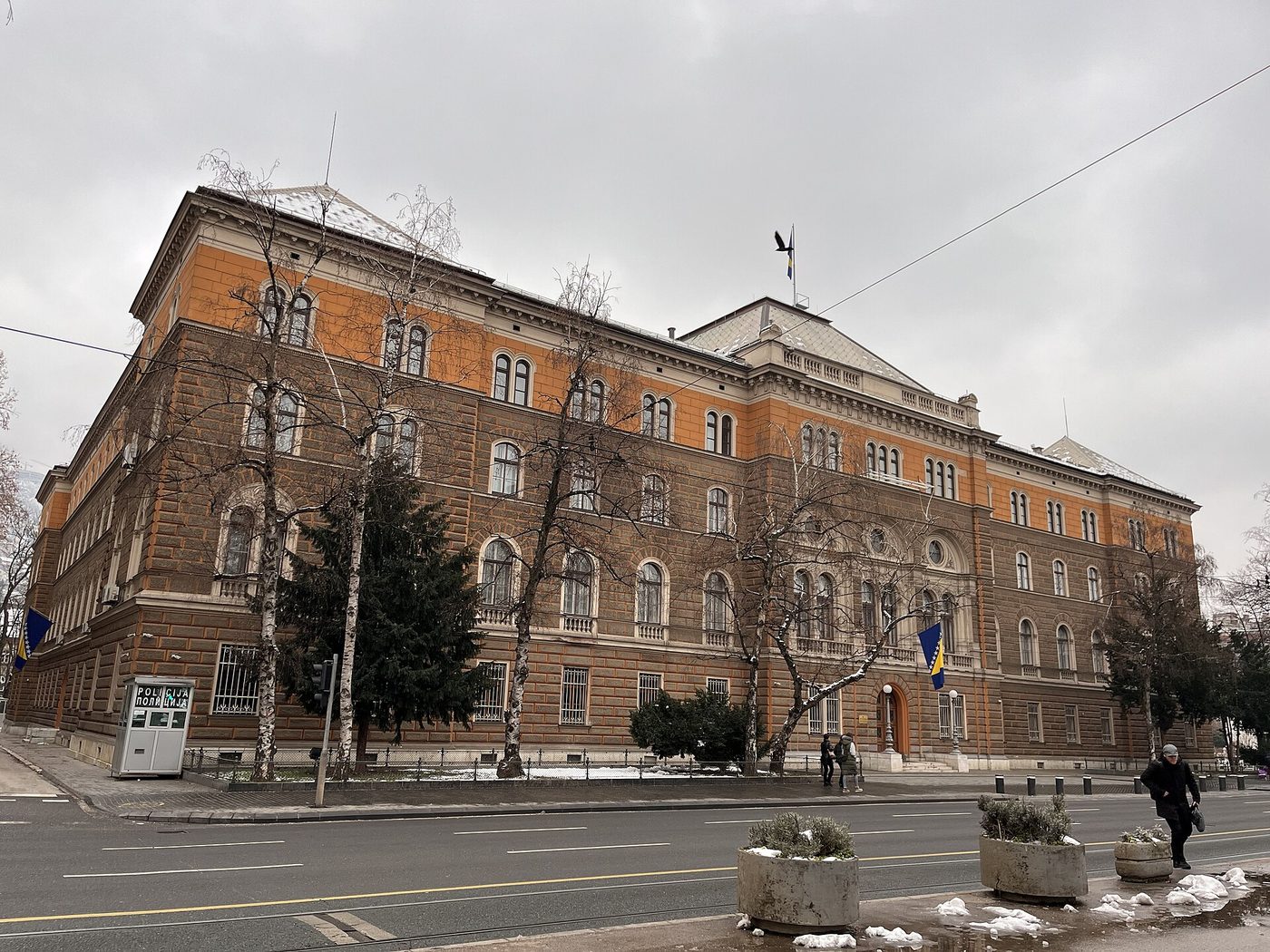
Nationalists take two of three seats on Bosnia's presidency
Preliminary results show nationalists won the Serb and Croat seats on Bosnia's three-member presidency, while a moderate kept the Bosniak seat. Turnout fell to about 42%, the lowest since the 1990s war, DW reported. The result revives talk of a pardon for banned Serb leader Milorad Dodik.
Bosnia's new presidency is taking shape, and nationalists hold the edge. Preliminary results from Sunday's vote give two of the three seats to nationalist parties, the Bulgarian news agency BTA reported.
Željka Cvijanović of the Serb nationalist SNSD won the Serb seat with about 55%. Darijana Filipović of the Croat nationalist HDZ BiH won the Croat seat. Denis Bećirović of the moderate Social Democrats held the Bosniak seat with 26.78%, just ahead of Bakir Izetbegović of the nationalist SDA at 23.88%.
Turnout was about 42%, down from 2022, the Associated Press reported in The Guardian. DW said it was the lowest since the war ended in 1995. Every polling station used fingerprint checks for the first time. DW said that blocked an old trick of casting ballots in the names of dead voters.
The biggest winner was not on the ballot. Milorad Dodik, the former president of the Serb-run region, Republika Srpska, is banned from office after a 2025 conviction for defying the international envoy who oversees Bosnia's peace deal. His SNSD party swept the region anyway. Dodik credited Donald Trump and Vladimir Putin for the win, AP reported.
Dodik wants to roll back powers the national state has gained since the war. "That means we are returning the army to Republika Srpska, the border police, the intelligence service," he said, according to DW.
The new lineup could matter for him. DW reported that if the Serb and Croat members agree, they could pardon Dodik, whatever the third member decides. Bosnian media have reported a pre-election deal on that, DW said. Filipović spent years as an aide to Croat leader Dragan Čović.
Bećirović struck a different tone. "The future of our region lies not in adopting the Russian model but the European one," he said.
Some background: A U.S.-brokered peace deal signed at Dayton, Ohio, in 1995 ended a war that killed more than 100,000 people. It split Bosnia into two regions and set up a three-member presidency, one each for Bosniaks, Serbs and Croats. Ethnic voting has stalled the country's bid to join the European Union.
If confirmed, Bećirović and Cvijanović will serve second terms. Filipović will serve her first.
What we know: Nationalists won the Serb and Croat seats, and turnout hit a record low.
What we don't: Final certified results, and whether a Dodik pardon moves forward.
Where outlets agree BTA and AP both report that Cvijanović won the Serb seat with more than 55% and that Filipović took the Croat seat.
Where they differ Bećirović says Bosnia's future lies with Europe, while Dodik says Bosnia "is dead" and wants powers handed back to Republika Srpska.