AI chatbots steer shoppers to Walmart and Costco, UBS finds
When asked where to shop, popular AI chatbots most often point people to Walmart and Costco, UBS analysts found. They tested 12 everyday shopping questions on ChatGPT, Claude, Gemini and Muse in three states. Amazon showed up less than expected, a sign AI answers could reshape where people buy.
Ask an AI chatbot where to shop, and it will probably say Walmart. That's the finding of a new UBS research note, MarketWatch reported Monday.
UBS analysts led by Michael Lasser asked 12 common shopping questions on four AI assistants: ChatGPT, Claude, Gemini and Muse. They ran the tests from New Jersey, New York and Minnesota. The questions covered everyday shopping needs.
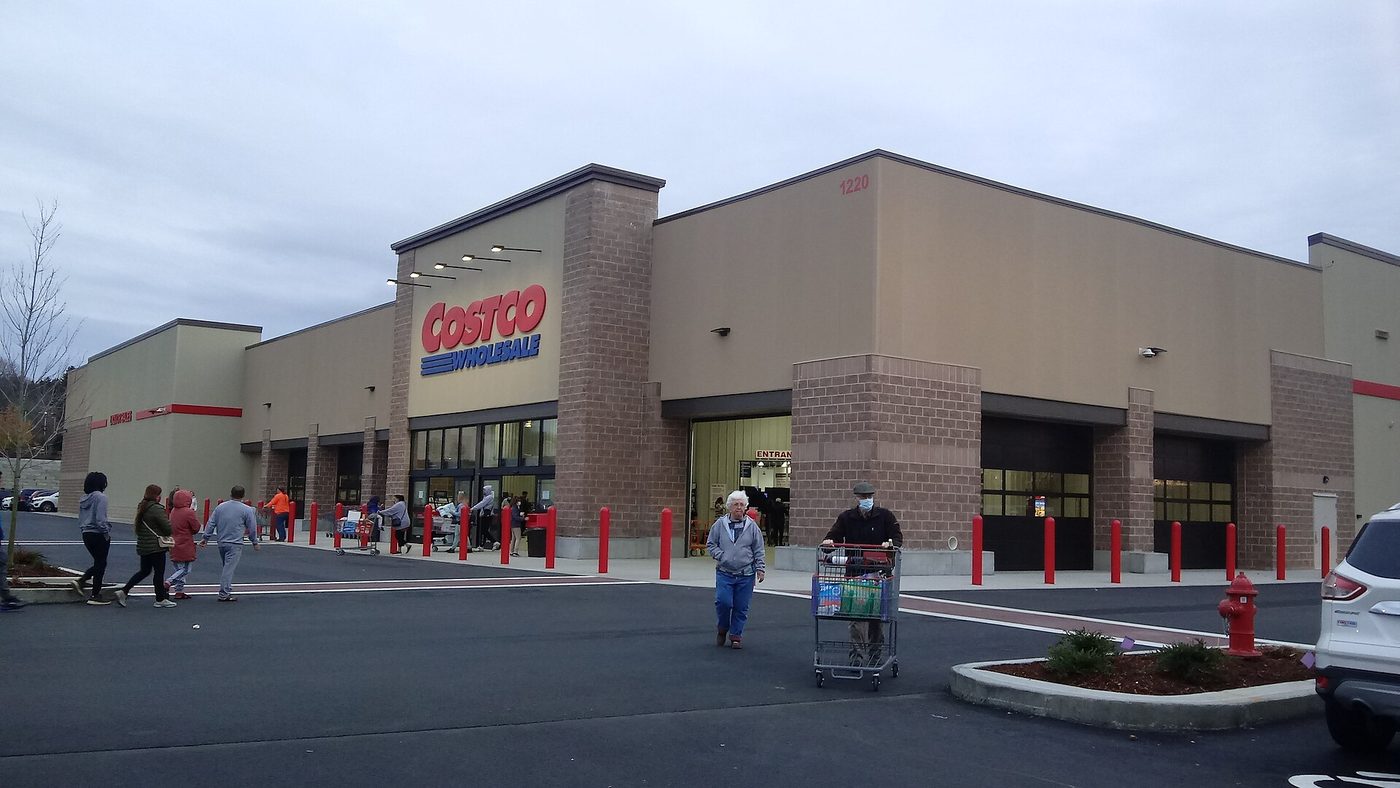
Walmart came out on top, and the analysts called it the "default answer for everyday consumption." Costco was the top pick for quality and buying in bulk. Aldi showed up often for low grocery prices. Dick's Sporting Goods led for athletic gear. Target appeared mostly as a second choice.
The surprise was Amazon, since the online giant came up less often than the analysts expected, Quartz reported.
Here's why it matters to shoppers. More people now ask chatbots for advice before they buy, and the answer often names one or two stores rather than a long list. That means the chatbot's pick can steer where people spend.
UBS said retailers that share their product catalogs and data with AI companies may gain an edge. In other words, the store a chatbot names may reflect data deals, not only who has the lowest price.
Some background: Walmart has spent years building its reputation for low prices and wide selection. Costco is known for its membership model and bulk sizes.
What to do: Treat a chatbot's answer as a starting point. Check prices at a few stores, including warehouse clubs and discount grocers, before you buy. Prices for the same item can vary by store and by ZIP code.
The test was small, though: twelve questions in three states is not a full survey, and answers can change as the AI models update.
What we know: UBS found AI chatbots favored Walmart and Costco across most everyday shopping questions.
What we don't: Whether shoppers follow chatbot advice, and how much that shifts sales.
Where outlets agree MarketWatch and Quartz both report the UBS test found AI chatbots favored Walmart and Costco and named Amazon less often than expected.
Where they differ UBS says Walmart's value message comes through clearly in AI answers, but it also suggests the results may depend on which retailers share data with AI platforms, not only on price.