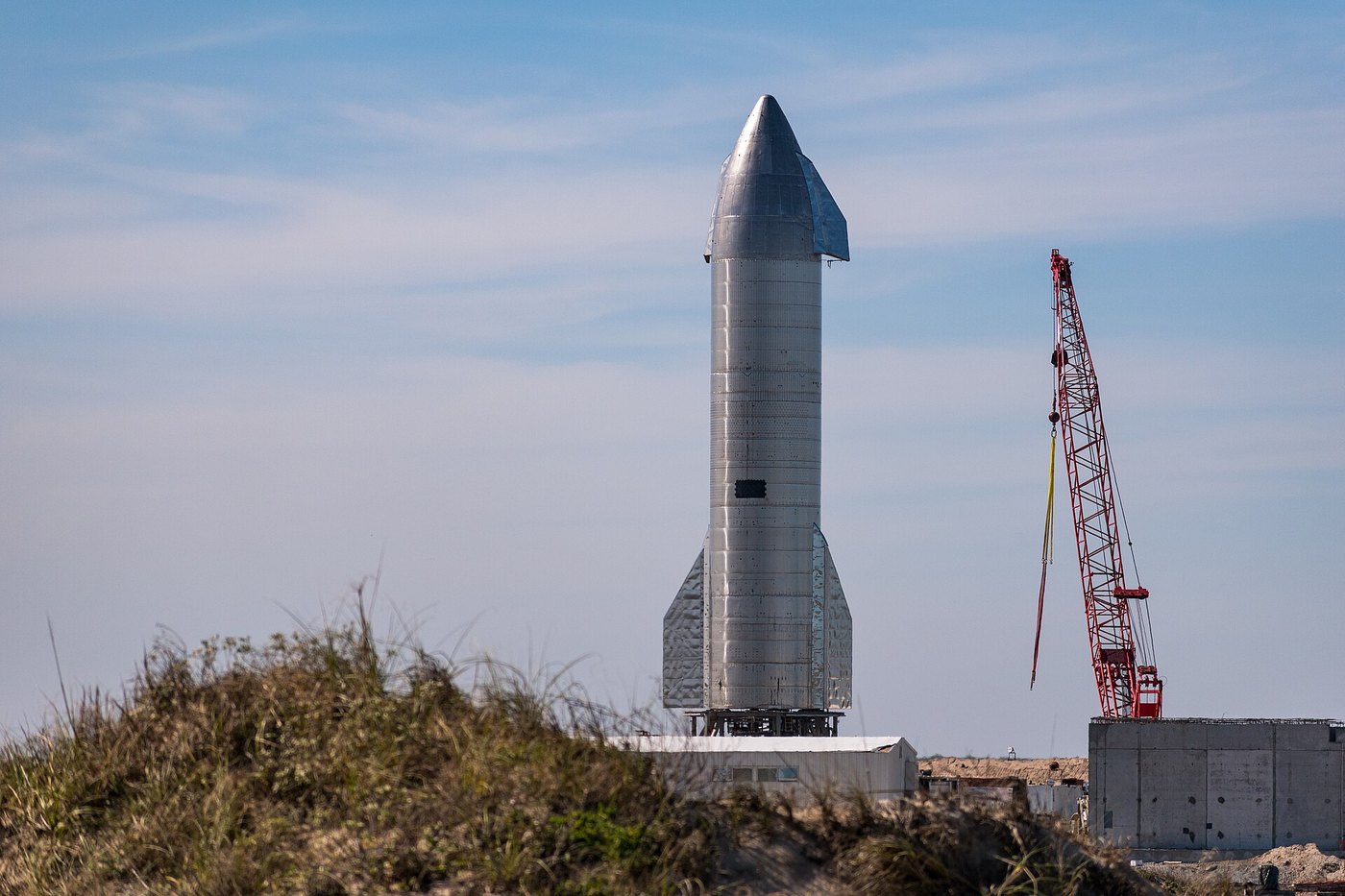
Starship Flight 14 reached orbit and deployed 26 Starlinks
SpaceX's Starship Flight 14 reached orbit for the first time on Sept. 28 and released 26 Starlink V3 satellites. The mission ended with a splashdown after about three hours when an engine issue shortened the flight. Engineers are studying the failure before the next attempt.
Starship finally made it to orbit. On Sept. 28, Flight 14 reached orbital velocity and deployed 26 next-generation Starlink V3 satellites, Space.com and Ars Technica reported, marking the first time the giant SpaceX vehicle completed that milestone.
The flight did not finish the full planned timeline. An engine failure shortened the mission, and the craft splashed down after roughly three hours instead of completing a longer on-orbit checklist. Even so, reaching orbit and releasing satellites is a step SpaceX needed for both its broadband constellation and future Artemis cargo pitches.
Starship is central to NASA's human landing system plans and to SpaceX's own ambition to fly huge payloads. Earlier flights ended in explosions or failed to reach orbit. Flight 14's partial success keeps pressure on competitors and on regulators watching debris and launch cadence from Texas and Florida.
What comes next is engineering homework: understand the engine fault, decide which hardware changes are required, and set a new flight window. SpaceX rarely publishes detailed anomaly reports on the same day investors want them.
For the public, the visible result is more Starlink capacity if the V3 birds check out, and a clearer path to refueling demonstrations that lunar missions will need.
Communities near Starbase still balance pride in the milestones with noise, road closures, and environmental reviews. Each successful flight renews that local debate even as the global story focuses on orbit.
What we know: Flight 14 reached orbit, deployed 26 Starlinks, then cut short after an engine problem.
What we don't: The date of Flight 15 and the exact engine fix.
Where outlets agree Space.com and Ars Technica both report Flight 14's first orbital success with 26 Starlink V3 satellites deployed and a shortened mission after engine trouble.
Where they differ SpaceX allies call it a breakthrough; skeptics note the shortened flight shows major reliability work remains before crew or NASA lander use.