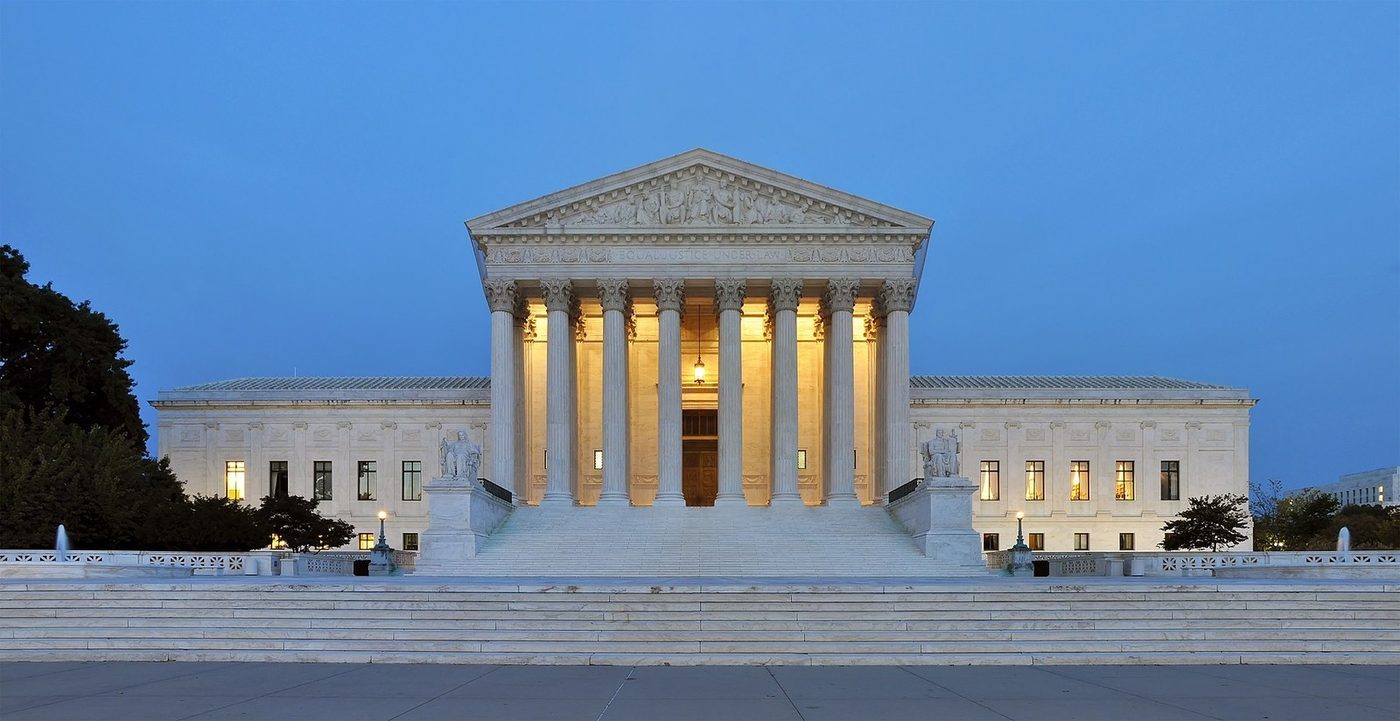
Justices question reach and timing of Boulder climate suit against oil giants
Updated: The justices pushed both sides Monday as Exxon and Suncor asked them to toss Boulder's climate suit. Justice Brett Kavanaugh said pollution that drifts across state lines is mostly for federal law, while Justice Ketanji Brown Jackson asked if the Court was stepping in too soon. Justice Samuel Alito sat out, so a 4-4 tie would let the suit go on.
Updated Monday: The Supreme Court opened its new term Monday by hearing ExxonMobil and Suncor Energy ask it to end a climate lawsuit from Boulder, Colorado. The city and county want the oil companies to help pay for climate harms, such as road and building repairs, emergency response and public health costs. They also say the companies misled the public about the risks of fossil fuels.
Kannon Shanmugam, the lawyer for the companies, called the case "an unprecedented effort to use state law to regulate global conduct." He said federal law has long governed pollution that crosses state lines. Sarah Harris, a Justice Department lawyer, argued on the companies' side for the Trump administration. She called interstate air pollution "an inherently federal area."
The justices pushed both sides. Justice Brett Kavanaugh said past rulings make clear that pollution crossing state lines is a matter for federal law unless Congress says otherwise. Chief Justice John Roberts asked Harris what makes this case different from other state suits the Court has allowed. Justice Elena Kagan pointed to state nuisance suits the Court has allowed under the Clean Water Act. Justice Ketanji Brown Jackson said the case seemed "sort of premature" because it has not gone to trial.
Boulder's lawyer, Kevin Russell, said people who cause harm in Colorado from far away, such as by spreading a lie on national TV or a computer virus, have long been open to state suits.
Only eight justices heard the case. Justice Samuel Alito stepped aside last week and gave no reason. A 4-4 tie would leave in place the Colorado Supreme Court's 2025 ruling that let Boulder's suit move forward.
Boulder first sued in 2018. Nearly 60 state and local governments have filed similar suits, the companies told the Court, so the ruling could reach far beyond Colorado. The justices will not decide who is to blame for climate damage. They will decide whether the case can go to trial in a state court. Reuters says a decision is expected by the end of June. Argument audio is posted on supremecourt.gov.
What we know: The argument is done, Alito sat out, and no ruling came Monday.
What we don't: How the eight justices will vote, or exactly when.
Where outlets agree Reuters and The Colorado Sun both report that eight justices heard the case with Alito out and that Justice Jackson called it "sort of premature."
Where they differ The Colorado Sun describes a court skeptical of Boulder's suit, while Reuters highlights Chief Justice Roberts pressing the companies on why this suit differs from ones the Court has allowed.