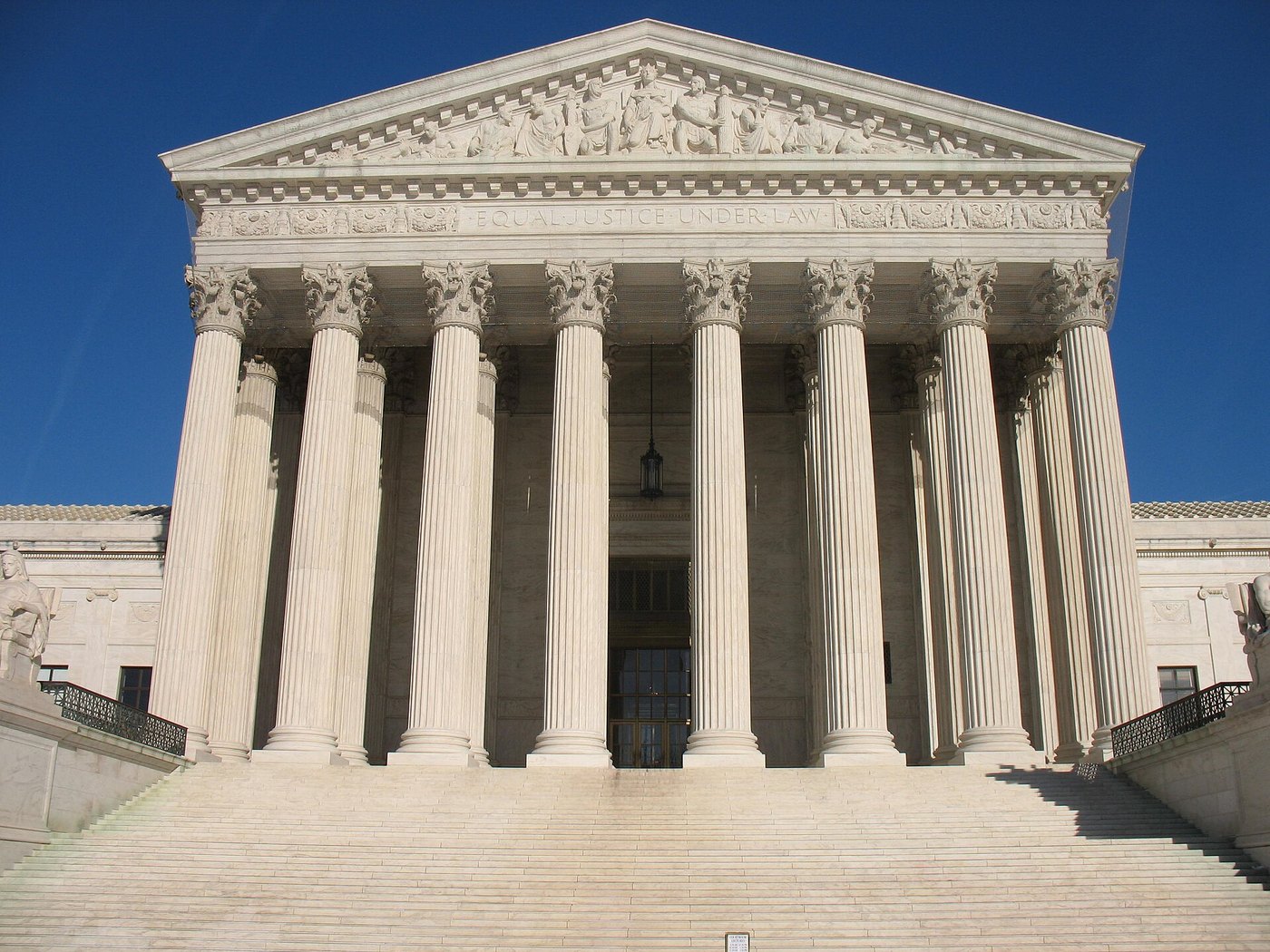
Guns, juries, deportations headline new Supreme Court term
The Supreme Court's new term, which starts Monday, includes cases on assault-weapon bans, the size of criminal juries and sending migrants to third countries. Rulings could change gun laws and immigration rules in many states. Most decisions will come by late June 2027.
The Supreme Court opened its 2026-27 term on Monday with a docket full of cases that could touch daily life far beyond Washington. The justices had already agreed to hear more than two dozen cases before their late-September private conference, and more will be added in the weeks ahead.
Guns are near the top of the list. The Court has agreed to review state bans on AR-15-style rifles, a question it has avoided for years even as several states passed such laws, NPR and the Washington Examiner reported. Several states, including Illinois and Maryland, have such bans, and a ruling could decide whether they stand.
Juries are also on the docket. In Kian v. Florida, the Court will consider whether the Constitution requires 12-person juries in criminal trials. Florida and a few other states allow six-person juries in many felony cases. In a separate case, St. Mary Catholic Parish v. Roy, the justices will weigh whether a state can leave religious schools out of a public funding program.
Immigration cases carry high stakes. The Court will hear disputes over sending deported migrants to countries other than their own, and over holding immigrants in detention without a bond hearing, a question raised in Genalo v. Black. Northeastern University legal scholars noted that the immigration cases follow the Court's June 30 ruling in Trump v. Barbara, which rejected the administration's effort to end automatic birthright citizenship.
A climate lawsuit from Boulder, Colorado, against two oil companies opens the term Monday. Other cases cover voting rules, excessive fines and a privacy law about video rentals.
The Court now has a 6-3 conservative majority. In recent terms, that majority has expanded gun rights and religious freedom claims while cutting back federal agency power.
The Court usually releases its biggest rulings at the end of June. Audio of arguments is posted on supremecourt.gov.
What we know: The term includes major gun, jury, religion and immigration cases.
What we don't: Which other cases the justices will add, and how they will rule.
Where outlets agree NPR and the Washington Examiner both list AR-15 bans and the Boulder climate case among the biggest cases of the new term.
Where they differ Gun-rights groups hope the Court will strike down assault-weapon bans, while states that passed the laws argue they are reasonable public-safety rules.