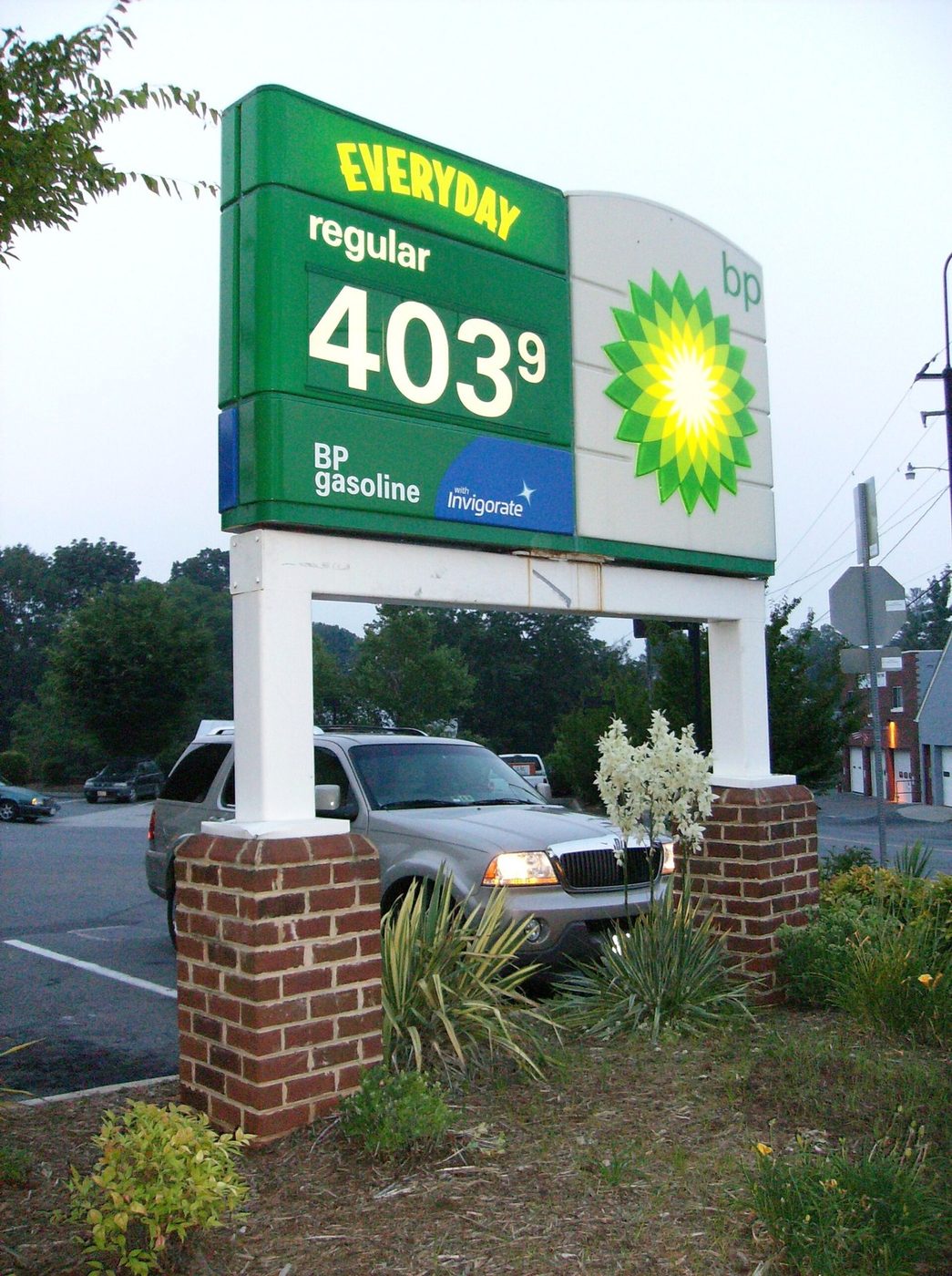
National gas average eases to about $4.37 after record September
AAA put the U.S. average near $4.37 a gallon on Oct. 5, down from early-month levels after a record-setting September. Diesel remains much higher than regular gasoline nationwide. Road-trip budgets should still assume elevated fill-ups compared with prices last fall.
Drivers got a small break that still feels expensive. AAA reported a national average near $4.365 on Oct. 5, softer than the early-October print after September set painful records. GasBuddy's late-September readings were even higher, and diesel remains far above gasoline.
For a foliage loop or a sports weekend, the practical math is gallons times miles, not the headline average alone. A 400-mile round trip in a 25-mpg crossover still burns 16 gallons — roughly $70 at these prices before food and parking. Carpools and full tires help more than hopping between stations for a two-cent difference.
Apps from AAA and GasBuddy can spot cheaper exits, but chasing a bargain five miles off-route can erase the savings. Fill up on the outbound trip when you pass a known fair price.
Households watching midterm kitchen-table costs feel gasoline next to groceries. The September spike still shapes October budgets even as the national average dips a few cents.
Keep an emergency $20 cash and a water bottle in the car. Rural peak-weekend stations sometimes run out of premium or close early.
Combine errands into one loop instead of three short trips. A cooler with sandwiches cuts both fuel stops and impulse snack prices at tourist plazas.
Check tire pressure when the car is cold in the morning. Underinflated tires waste fuel and heat up on long mountain grades packed with looky-loos.
What we know: AAA's Oct. 5 national average is about $4.37 after a record September.
What we don't: Whether diesel and regional spikes ease before Columbus Day weekend.
Where outlets agree AAA and GasBuddy both documented a record-setting September price spike, with AAA showing a modest early-October dip toward the mid-$4.30s.
Where they differ National averages hide state outliers, and West Coast and diesel drivers still see pain that Midwest regular-gas drivers may not.