Merz brings €1.3 billion to Kyiv as Russian drones pound Ukraine
German Chancellor Friedrich Merz made a surprise visit to Kyiv on Sunday and pledged more than €1.3 billion in new aid, including air-defense missiles and money for power repairs. Overnight, Russia sent 205 drones at Ukraine. One person was killed in Kharkiv, and a drone hit a major Kyiv bridge.
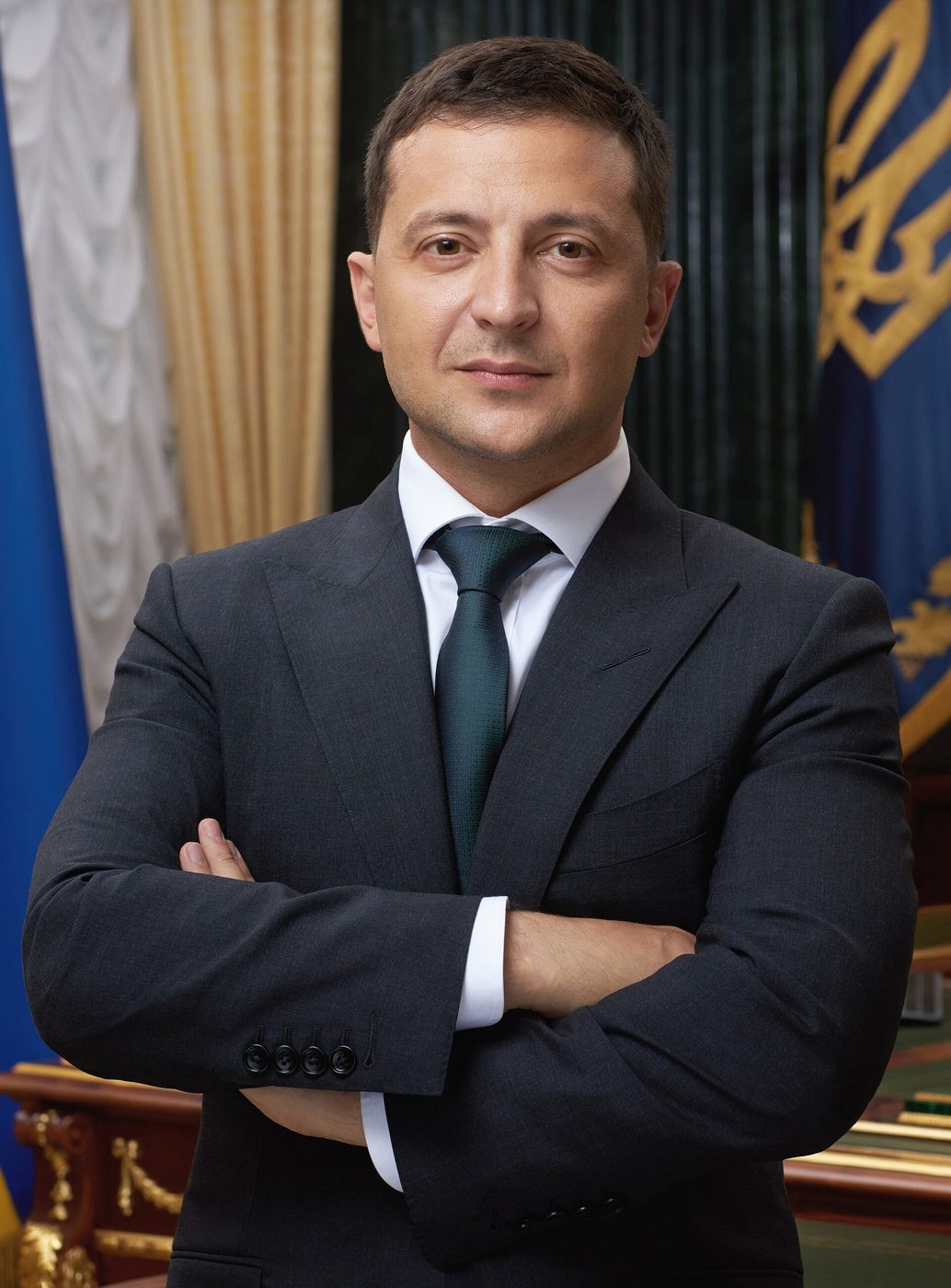
German Chancellor Friedrich Merz arrived in Kyiv on Sunday to the sound of air-raid sirens and blasts, NBC News reported. It was his second visit to the Ukrainian capital. Standing with President Volodymyr Zelenskyy, he announced more than €1.3 billion in new support.
About €1 billion is military aid, including interceptor drones, air-defense missiles and long-range weapons, according to the Kyiv Independent. Another €350 million will pay for generators and repairs to Ukraine's battered power grid before winter. The two governments also signed 15 deals worth more than €8.5 billion, including joint production of counter-drone systems. Merz called on Vladimir Putin to stop what he called "barbaric attacks," the German news agency dpa reported.
The attacks did not stop. Overnight into Monday, Russia launched 205 drones at Ukraine, including 49 jet-powered Shahed-type models, Ukraine's air force said through Interfax-Ukraine. Air defenses shot down or jammed 172. Drones still hit 13 locations. In Kharkiv, three drones struck the Industrialnyi district, killing one person and wounding eight, the Kyiv Post reported. In Kyiv, a drone slammed into the Northern Bridge across the Dnipro River and injured two people.
The Northern Bridge is one of the main routes across the Dnipro, so damage there snarls daily travel for people on both banks of the city.
Why the aid matters now: Ukraine's grid has been a target every fall and winter since 2022. Generators keep hospitals, water pumps and apartment blocks running when power stations go dark. Interceptor drones are a cheaper way to knock down attack drones than missiles.
Germany is one of Ukraine's biggest backers in Europe. Merz's trip came as Washington's attention is split by the war with Iran.
What we know: Germany pledged more than €1.3 billion, and Russia's overnight barrage killed one person in Kharkiv.
What we don't: How quickly the new air-defense gear reaches the front, and how badly the Kyiv bridge was damaged.
Where outlets agree The Kyiv Independent, France 24 and NBC News all report that Merz visited Kyiv on Sunday and announced more than €1.3 billion in new aid during Russian attacks.
Where they differ Merz and Zelenskyy present the deals as building Ukraine's own defenses, while Moscow has kept up its drone campaign as the aid was announced.