New tanker hit in Hormuz as Iran repeats seven conditions
A six-week-old tanker named Lipsi was hit by an unknown projectile in the Strait of Hormuz on Sunday, damaging its engine room. Iran's top negotiator said the strait will not reopen until the U.S. meets seven conditions. About a fifth of the world's oil and gas moved through the strait before the war.
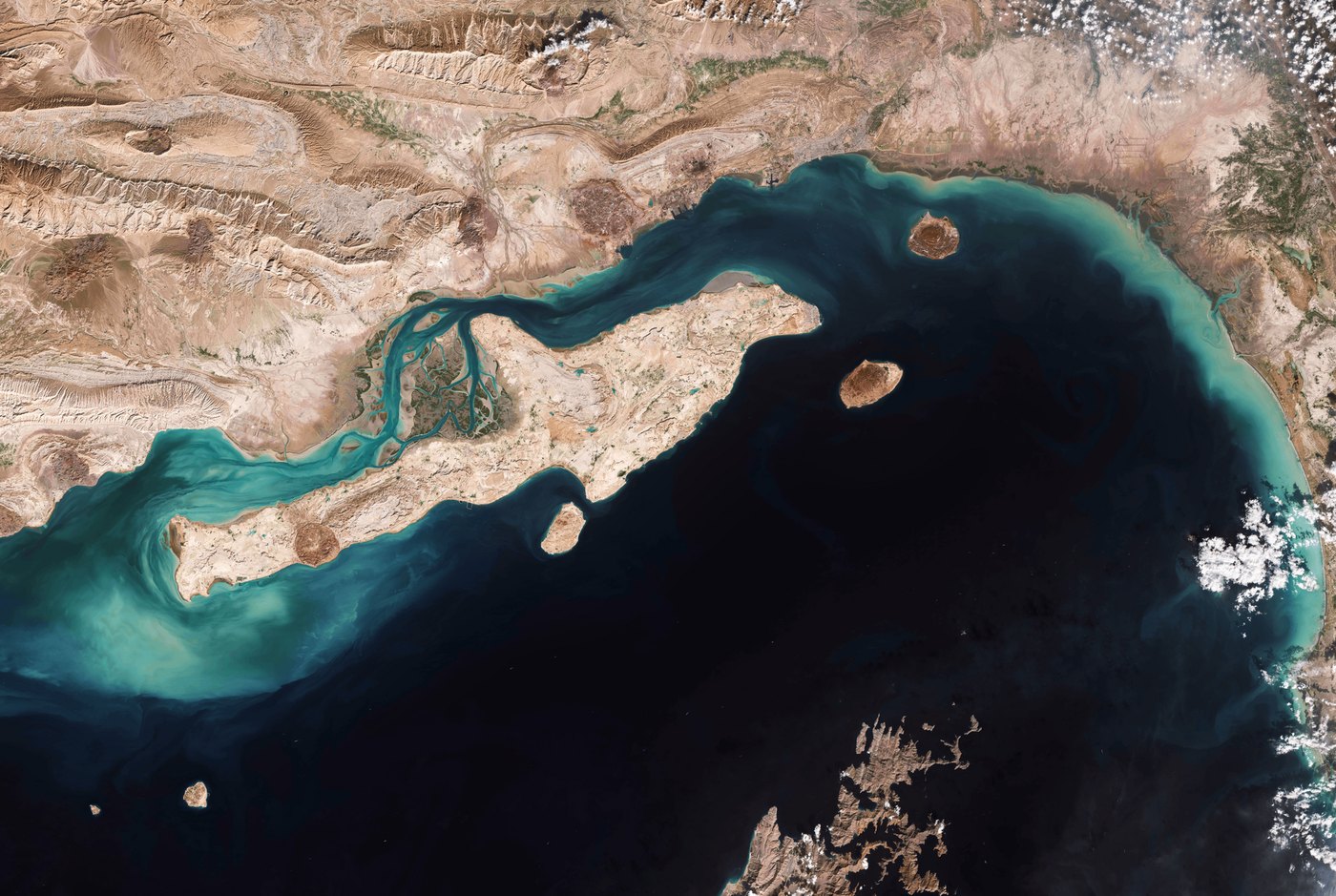
Another oil tanker was struck in the Strait of Hormuz on Sunday. The Liberia-flagged Lipsi took a hit from an unknown projectile that damaged its engine room, according to the U.K. Maritime Trade Operations center. The crew was safe and no spill was reported. A navigation warning said the ship was left drifting about four nautical miles northeast of Jazirat Um al Fayarin.
The Lipsi is brand new. It was delivered on Aug. 24 by a Chinese shipyard to Greece's Dynacom Tankers Management, Portnews reported. No one has said what weapon hit it or who fired. Maritime Executive called it the latest in a run of Iranian strikes on shipping. A joint naval information center counted four attacks in the strait in 72 hours from Oct. 2 to 4. A day earlier, a crude tanker was hit about four nautical miles east of Oman.
On the diplomatic side, Iran dug in. "The Strait of Hormuz will not open until Iran's seven conditions based on the Islamabad Memorandum are met," Parliament Speaker Mohammad Bagher Ghalibaf said Sunday, as quoted by CNBC. Iran's demands include an end to U.S. "acts of aggression," an end to the U.S. naval blockade of its ports, and the release of frozen Iranian assets. Washington's main demand has been that Iran give up its path to a nuclear weapon.
Here is how we got here. The war began in late February with U.S. and Israeli strikes on Iran. In June, the two sides signed a memorandum in Islamabad that Iran now points to for its conditions. Qatar is passing messages between them, and the latest U.S. reply reached Tehran through Qatar last week.
For drivers, the stakes show up at the pump. Before the war, about a fifth of the world's oil and liquefied gas passed through Hormuz.
What we know: The Lipsi was hit Sunday and Iran restated its seven conditions.
What we don't: Who fired, and whether the Qatar talks produce a deal.
Where outlets agree Maritime Executive and Portnews both name the Lipsi as the tanker hit in the Strait of Hormuz on Sunday, with engine-room damage and no crew injuries.
Where they differ Maritime Executive describes the strike as part of an Iranian campaign, while the official maritime warnings name no attacker or weapon.