Darker October evenings are a cue to protect sleep before November
Sunset keeps sliding earlier, and sleep doctors still advise steady bedtimes before the Nov. 1 return to standard time. Dim screens an hour before bed and morning light walks help more than weekend catch-up sleep. School nights make the habit harder — and more valuable.
October darkness arrives before many people finish dinner. Circadian researchers and sleep clinicians keep repeating the same fall advice: keep a steady bedtime, get outdoor light in the morning, and dim phones an hour before sleep rather than bingeing to "use" the evening.
The United States still falls back to standard time on Nov. 1. That extra morning light helps some people, but the week after the change still brings grogginess if Friday and Saturday nights swung wild. Starting good habits now softens the jolt.
Parents can move homework and baths earlier in 15-minute steps across a week instead of one painful Sunday night. Cooler bedrooms — around the mid-60s Fahrenheit for many adults — support deeper sleep when furnaces kick on.
Caffeine after 2 p.m. and late whiskey both steal sleep more in darker months when people feel they have "time." Herbal tea is fine; it is not magic. Consistency beats supplements for most healthy adults.
If loud neighbors or traffic worsen with closed windows, a simple fan or white-noise app can help while you test earplugs. Chronic insomnia deserves a clinician visit, not another round of social-media cures.
Shift dinner thirty minutes earlier for a week and notice whether bedtime arguments shrink. Small schedule moves beat a sudden 9 p.m. lights-out decree.
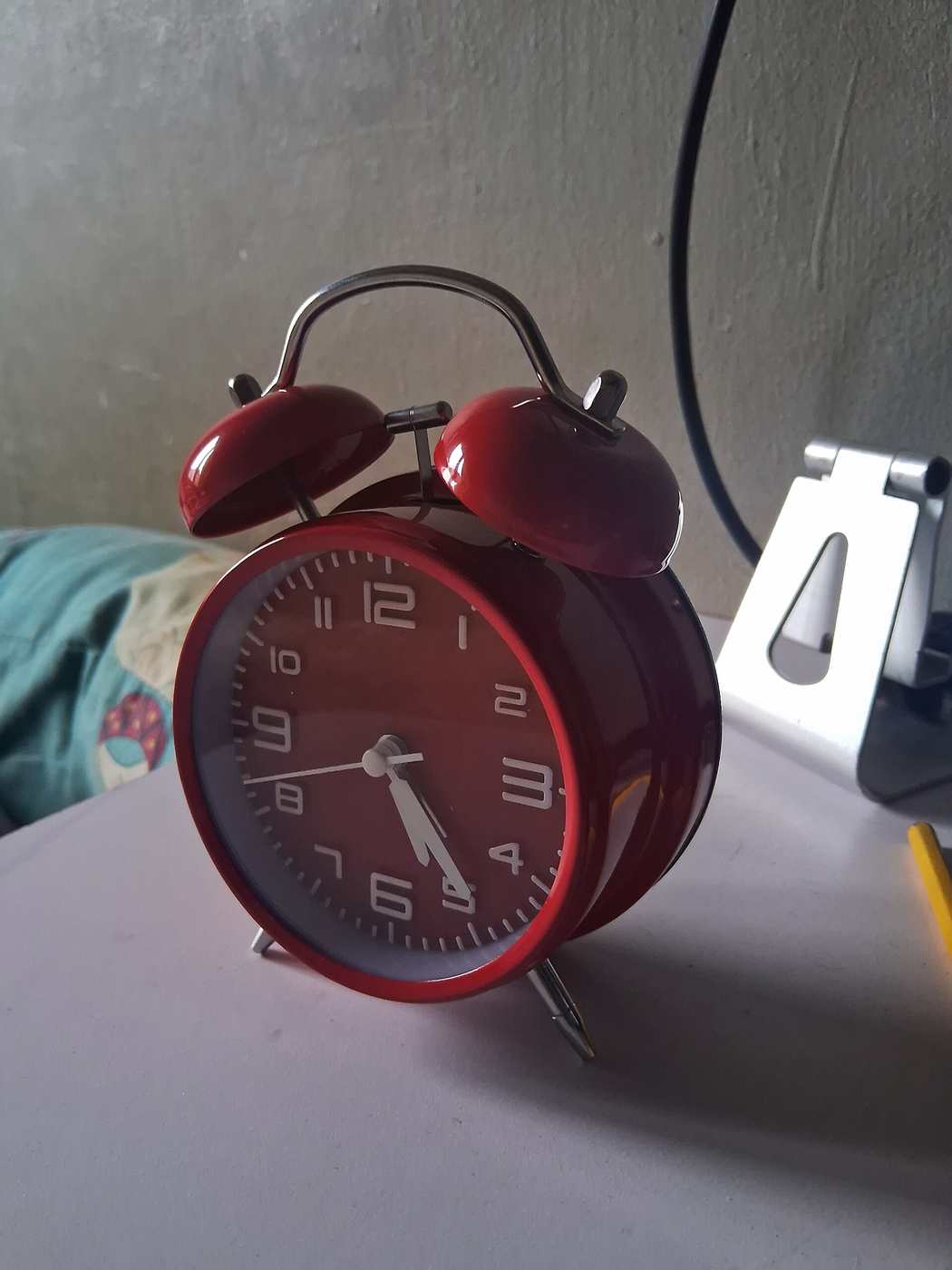
Charge phones outside the bedroom if you can. A cheap alarm clock removes the excuse to scroll "just one more" headline at midnight.
What we know: Earlier sunsets and the coming Nov. 1 time change make sleep routines a timely October project.
What we don't: Whether Congress will alter future clock rules before next spring.
Where outlets agree Sleep-medicine guidance and public-health clock-change notices agree that steady schedules and morning light beat weekend catch-up sleep.
Where they differ Standard-time advocates want to end the spring-forward shift, while some retail and sports groups still prefer longer evening daylight in summer.