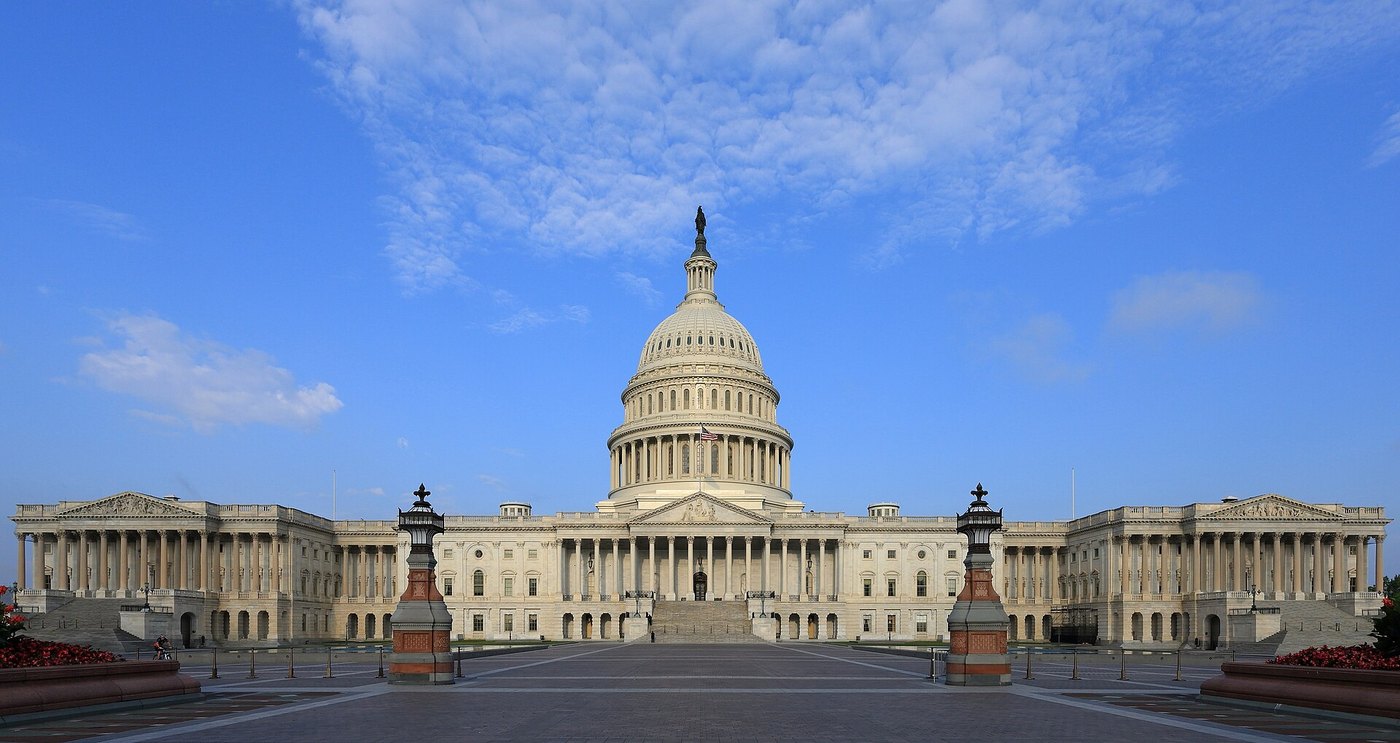
Congress leaves until after Election Day with Dec. 11 deadline
Congress left Washington until after the Nov. 3 midterms, and the Senate is not due back until Nov. 9. Federal agencies are funded through Dec. 11 under a stopgap law signed Sept. 2. Lawmakers will have about a month after the election to avoid a shutdown starting Dec. 12.
The halls of Congress are quiet. Lawmakers left Washington at the start of October to campaign, and they do not plan to return until after the Nov. 3 midterm elections, The Washington Post and The Hill reported. The Senate is scheduled to come back on Nov. 9.
That leaves a lot of work on hold. Federal agencies are running on a continuing resolution, a stopgap spending law that President Trump signed on Sept. 2. It keeps money flowing at current levels through Dec. 11, according to the Congressional Research Service. If Congress does not act, a partial government shutdown could start on Dec. 12.
The post-election weeks, called a "lame duck" session, are often busy. Lawmakers who lost their races still vote, and leaders try to clear spending bills, defense policy and other must-pass items before a new Congress takes over in January. Who wins control of the House and Senate on Nov. 3 will shape how hard both parties push in December.
Several open fights will be waiting. The Government Accountability Office says the White House broke the law with an $810 million pocket rescission. The Senate rejected a measure on Iran war powers by one vote in September. Health insurance costs under the Affordable Care Act are also rising for 2027.
Long recesses before midterms are normal. Members want time at home to campaign. But critics in both parties say leaving with major issues unresolved, including the war with Iran, sends the wrong message.
Shutdowns have become more common. The longest in U.S. history lasted 43 days in late 2025. Each one furloughs federal workers and delays some services, though Social Security checks and the mail keep going.
What we know: Congress is out until after the election, and funding runs through Dec. 11.
What we don't: Whether lawmakers will pass full-year spending bills or another stopgap in December.
Where outlets agree The Washington Post and The Hill both report that Congress left town until after the midterms, with the Senate set to return Nov. 9.
Where they differ Leaders say the break is normal before an election, while critics argue lawmakers should not leave with war powers and spending fights unresolved.