How much are AI data centers adding to your power bill?
AI data centers are pushing up electricity demand, and NPR reports that some households are paying for it. Maryland customers face an estimated $168 to $216 more a year. In other places, bills can fall when big users help cover fixed grid costs.
The race to build artificial intelligence is showing up on some electric bills. NPR reported this week that customers in the PJM power grid, which serves about 67 million people across 13 states and Washington, D.C., have paid roughly $29 billion in data-center-related costs over two years.
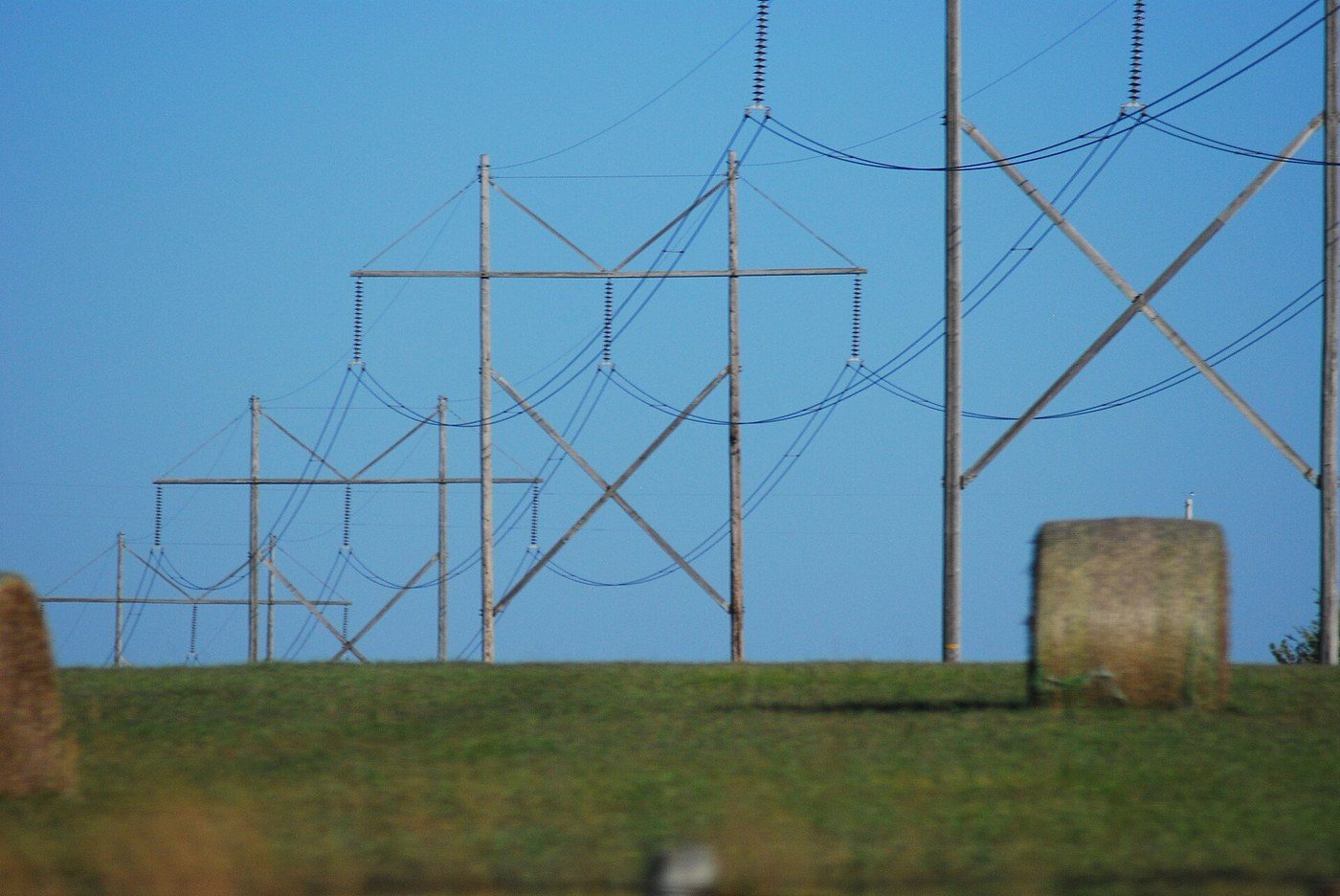
In Maryland, households are estimated to pay about $168 to $216 more a year because of rising grid costs linked to data centers, NPR reported. Those costs come from new power plants, transmission lines and capacity payments meant to make sure there is enough power at peak times.
But the picture is mixed. In a follow-up on Sunday, NPR noted that in some places, large data centers can actually lower bills. That happens when a big new customer helps pay for fixed costs, like poles and wires, that would otherwise be spread across fewer households. Whether bills rise or fall depends on local rules and how utilities set their rates.
Politicians have noticed. At a rally in Ohio on Saturday, President Trump defended data centers and backed a Republican bill to keep tech companies from passing their costs on to households. Polls in Ohio show voters trust Democrats more on the issue.
Here is the background. U.S. electricity demand was nearly flat for about 15 years before AI took off. Now utilities expect it to climb for years as tech companies build huge server farms. A single large data center can use as much power as a small city.
Regulators are starting to respond. Some states are creating special rates for large users so that families do not foot the bill.
To see what is driving your bill, check the line items for "capacity" or "transmission" charges, which have risen fastest in many areas.
What we know: Data centers have added billions in costs in the PJM grid, and some households pay more.
What we don't: How much bills will rise nationally as more data centers open.
Where outlets agree NPR's two reports and LAist both say data-center growth is raising grid costs in some regions, though the effect on bills depends on local rules.
Where they differ Tech companies and some officials say data centers bring jobs and can spread fixed costs, while consumer advocates say families are already paying more.