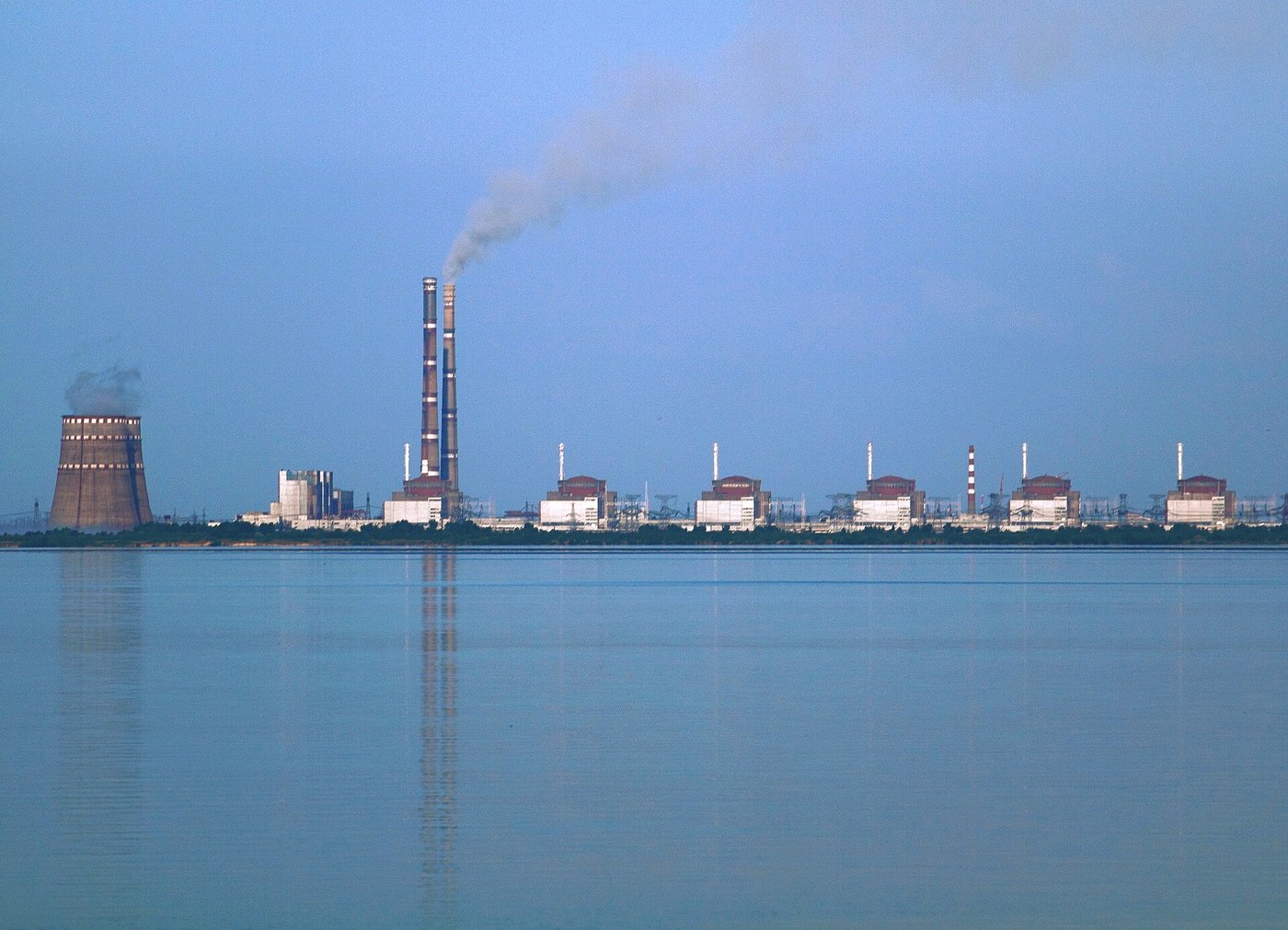
IAEA flags fragile Zaporizhzhia power as drones intensify
IAEA Update 369 says Zaporizhzhia’s diesel reserves remain low and the plant still leans on a single external backup line after repeated outages. Ukraine’s Air Force also reported a 135-drone overnight barrage. Bridge and energy strikes raise winter nuclear-safety stakes.
Europe’s largest nuclear plant remains on a knife-edge power diet while the wider strike campaign heats up. IAEA Director General Rafael Grossi’s Update 369 on Oct. 2 said Zaporizhzhia Nuclear Power Plant diesel stocks remain low after nearly three weeks on emergency generators during August–September off-site power losses. The site has seen about 10 off-site power losses since June and currently depends on the single 330 kV Ferosplavna-1 line. Military activity continues to hinder fuel deliveries; Grossi called for prompt diesel replenishment.
The same week’s war tempo matters for every nuclear site, not only Zaporizhzhia. Ukrainska Pravda reported Russia launched 135 drones overnight Oct. 3–4, with hits at five locations. ISW said Russian forces struck Kyiv’s Northern Bridge on Oct. 3 after earlier Southern Bridge hits, part of a campaign to disrupt civilian life and critical infrastructure into winter 2026–27. Meduza detailed first-of-war drone damage to Kyiv’s Dnipro bridges. IAEA also reported a Sept. 30 drone strike on Kyiv’s Institute for Nuclear Research near a research reactor — no radioactive release — plus elevated drone detections near South Ukraine and Chornobyl sites.
Coolant pumps and safety systems need reliable electricity even when reactors are in cold shutdown. A prolonged blackout that exhausts diesel would raise serious nuclear-safety risks — the core reason IAEA keeps staff on site and keeps publishing numbered updates. Overnight sticks to IAEA and verified strike reporting rather than inventing radiation readings.
Households far from the front still have a stake: any serious incident would scramble European energy and food markets already jittery from the Iran war.
What we know:
IAEA reports low diesel and fragile off-site power at Zaporizhzhia; intensified drone and bridge strikes continue against Ukrainian cities and near nuclear-related sites.
What we don’t:
Whether a durable ceasefire corridor for thermal-plant and line repairs will materialize this month.
Where outlets agree IAEA and Ukraine war desks agree Zaporizhzhia’s power posture stays precarious while long-range strikes on energy and transport links intensify.
Where they differ War coverage emphasizes front-line and capital strikes while nuclear desks emphasize plant logistics — both are true and incomplete alone.