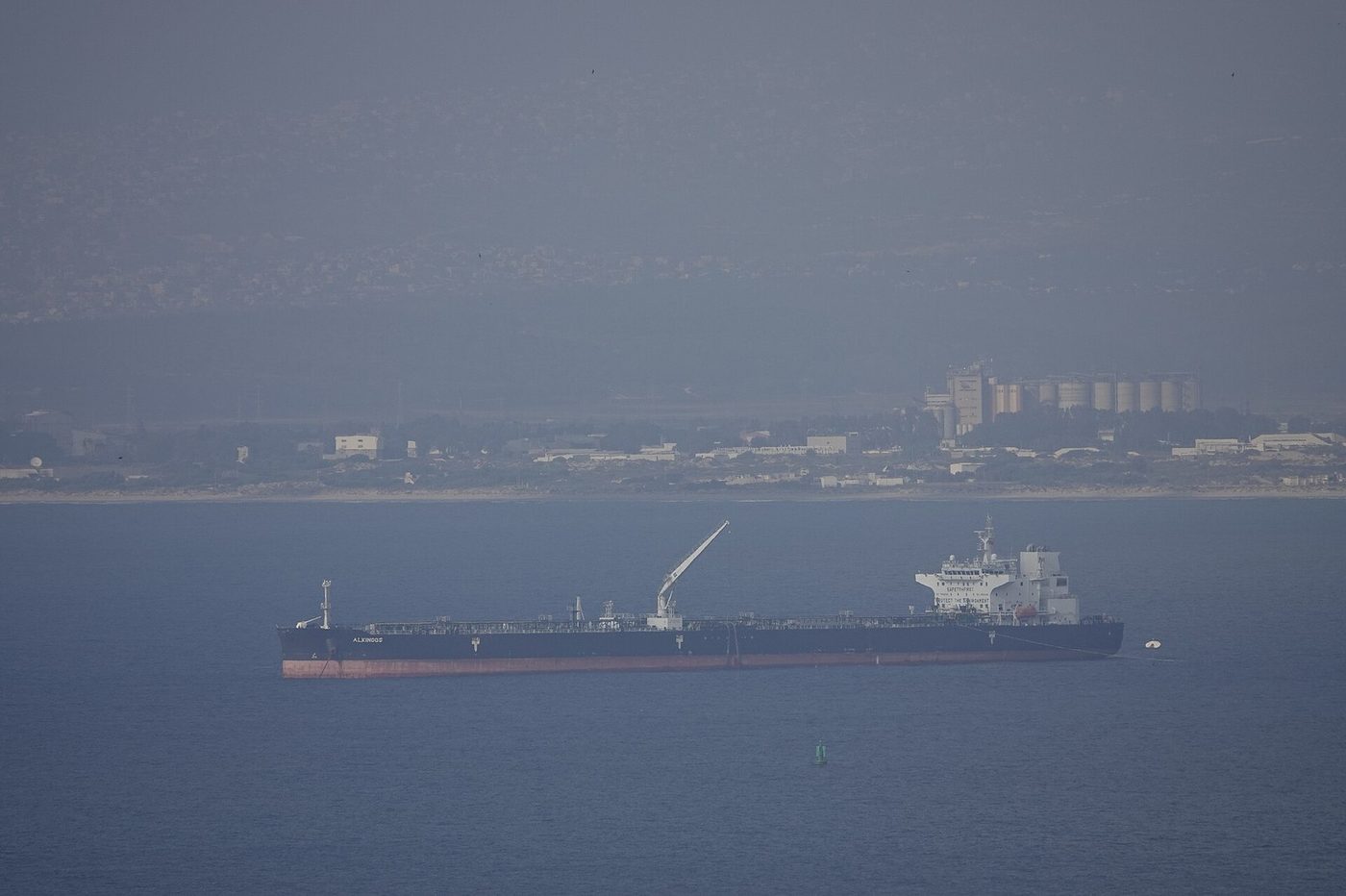
Iraq moves 2 million barrels through Hormuz VLCC
Iraq’s state Oil Tanker Company said it moved 2 million barrels of crude through the Strait of Hormuz on a VLCC—its first such operation in decades. The run aims to give SOMO more sales flexibility amid tanker attacks and workarounds. Regional producers keep hunting routes while diesel stays the tighter squeeze.
Iraq’s state-owned Oil Tanker Company transported 2 million barrels of Iraqi crude through the Strait of Hormuz aboard a very large crude carrier, Gulf News reported Sunday, calling it the company’s first such operation in decades. Director General Ali Qais Abdul Jabbar said the move lets state marketer SOMO choose where and how to sell rather than only delivering at Basra, and that the company wants more specialized tankers. Iraq had previously secured Iranian permission for its tankers to transit Hormuz while Tehran has sought to control the waterway during the war.
The Iraqi VLCC fits a wider Gulf workaround story. The Guardian and RFE/RL, citing Kpler, Lloyd’s List, and JP Morgan, said Middle East crude exports in September returned near pre-war levels—about 16.5 million barrels a day excluding Iran in one Kpler read—via Saudi and Emirati pipelines, ship-to-ship transfers off Oman and Fujairah, and U.S.-escorted shuttles. Refined products, especially diesel, remain far below pre-war Hormuz volumes, which is why pump prices stayed elevated even as crude recovered.
Risk has not vanished. UKMTO logged at least three commercial vessel strikes near Hormuz since Oct. 1; Iranian media claim more IRGC hits. Lloyd’s List editor Richard Meade warned that higher exports show the industry pricing danger in, not that the strait is safe. For U.S. and European drivers, Iraqi flexibility helps crude supply but does little alone for the diesel bottleneck. Watch SOMO follow-on VLCC sails, UKMTO advisories, and Monday crude opens.
What we know:
Iraq completed a 2-million-barrel Hormuz VLCC run billed as a decades-first for its tanker arm; Gulf crude volumes have largely recovered via workarounds; diesel product flows remain constrained.
What we don’t:
How often Iraq will repeat VLCC Hormuz loadings, or whether further projectile attacks slow the new pattern.
Where outlets agree Gulf News, The Guardian, and RFE/RL agree regional producers are finding Hormuz workarounds—including Iraq’s new VLCC run—while refined-product flows stay tighter than crude.
Where they differ Baghdad and shippers present the VLCC as restored flexibility while Iranian control claims and UKMTO attack logs show the waterway’s security is still contested.