UKMTO warns of Hormuz hits; insurers price war risk
UK Maritime Trade Operations says at least three commercial vessels have been struck by unknown projectiles near Hormuz since Oct. 1. Iranian media claim the IRGC hit seven “violating” tankers in five days—attribution contested. Shippers and insurers keep AIS-on crews in elevated war-risk pricing.
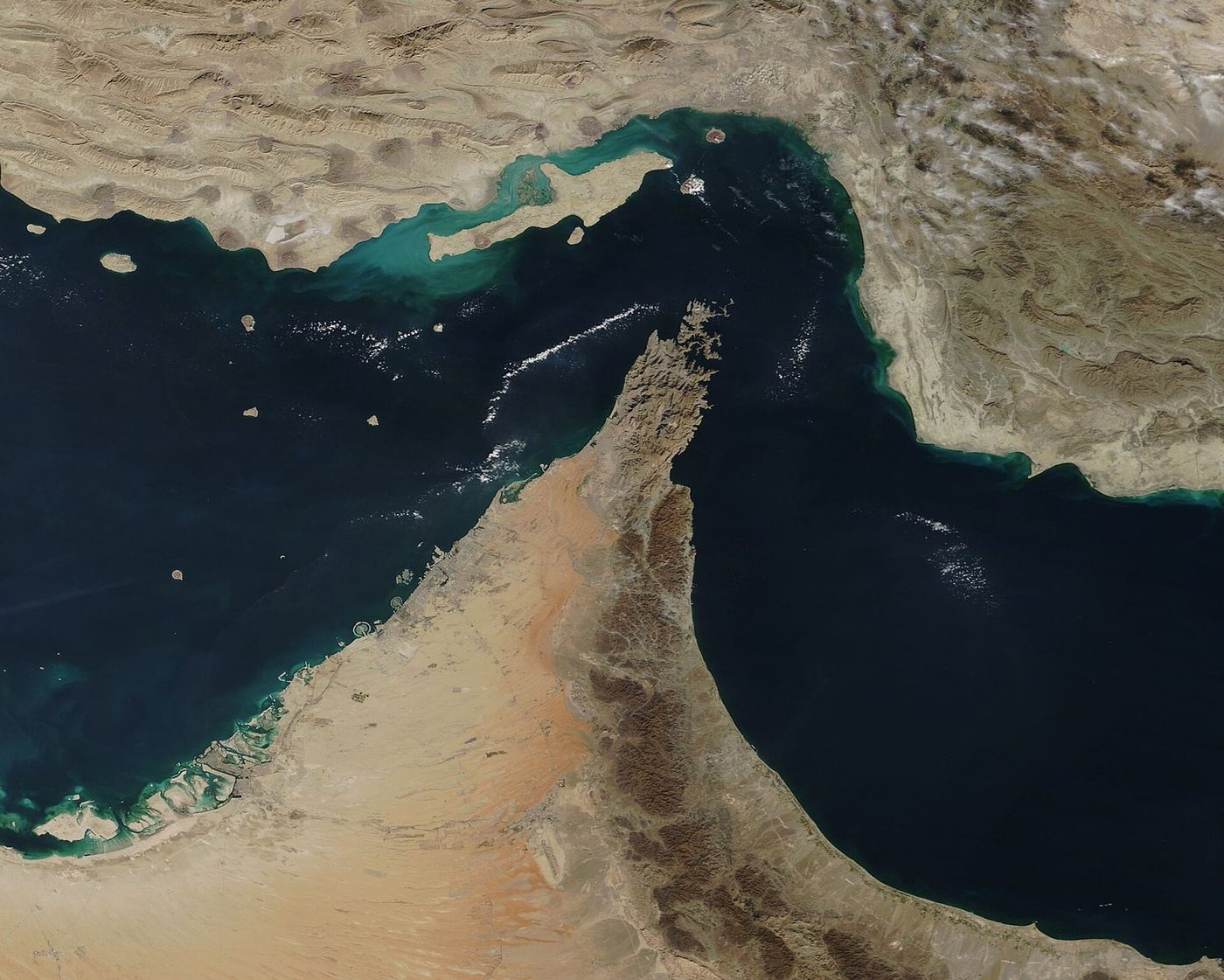
United Kingdom Maritime Trade Operations reported a surge of commercial-ship attacks since Oct. 1, Middle East Eye summarized Sunday: at least three tankers struck by unidentified projectiles in and around the Strait of Hormuz. Early Saturday, UKMTO said a crude tanker was hit on its port side about four nautical miles east of Oman. A day earlier an outbound vessel suffered a small fire and blackout, and another crude tanker was struck nearby. UKMTO’s Oct. 2 weekly overview counted 91 vessel-damage incidents since February.
Iranian state media tell a different story. Semi-official Fars, carried by CGTN, claimed the IRGC Navy hit at least seven “violating” oil tankers in five days and named Kuwaiti and UAE vessels among recent targets. Washington has not confirmed those IRGC tallies. Hegseth has called the U.S. blockade “ironclad” and said traffic is near pre-war levels overnight even as attacks continue. The Guardian’s earlier Kpler read showed crude exports largely recovering via pipelines and ship-to-ship transfers while refined-product flows stayed sharply constrained—and Lloyd’s List’s Richard Meade warned that “resilience” is not the same as security.
For crews and cargo owners, the stake is war-risk premiums, AIS practices, and whether insurers keep covering Hormuz passages at all. UKMTO advisories remain the independent shipping baseline; IRGC claim counts should stay attributed until corroborated. Watch further UKMTO warnings, premium circulars, and any Centcom escort notices.
What we know:
UKMTO documents at least three commercial vessel strikes near Hormuz/Oman since Oct. 1 with unknown projectiles; Iranian media claim seven IRGC hits; 91 damage incidents are logged since February.
What we don’t:
Independent confirmation of who fired the projectiles, whether all named tankers match UKMTO logs, or how high war-risk premiums will climb this week.
Where outlets agree Middle East Eye and UKMTO agree at least three commercial vessels have been struck near Hormuz since Oct. 1 while attacks on shipping continue.
Where they differ UKMTO frames unknown projectiles and a lower incident count while Iranian state media claim seven intentional IRGC hits on “violating” tankers—attribution remains contested.