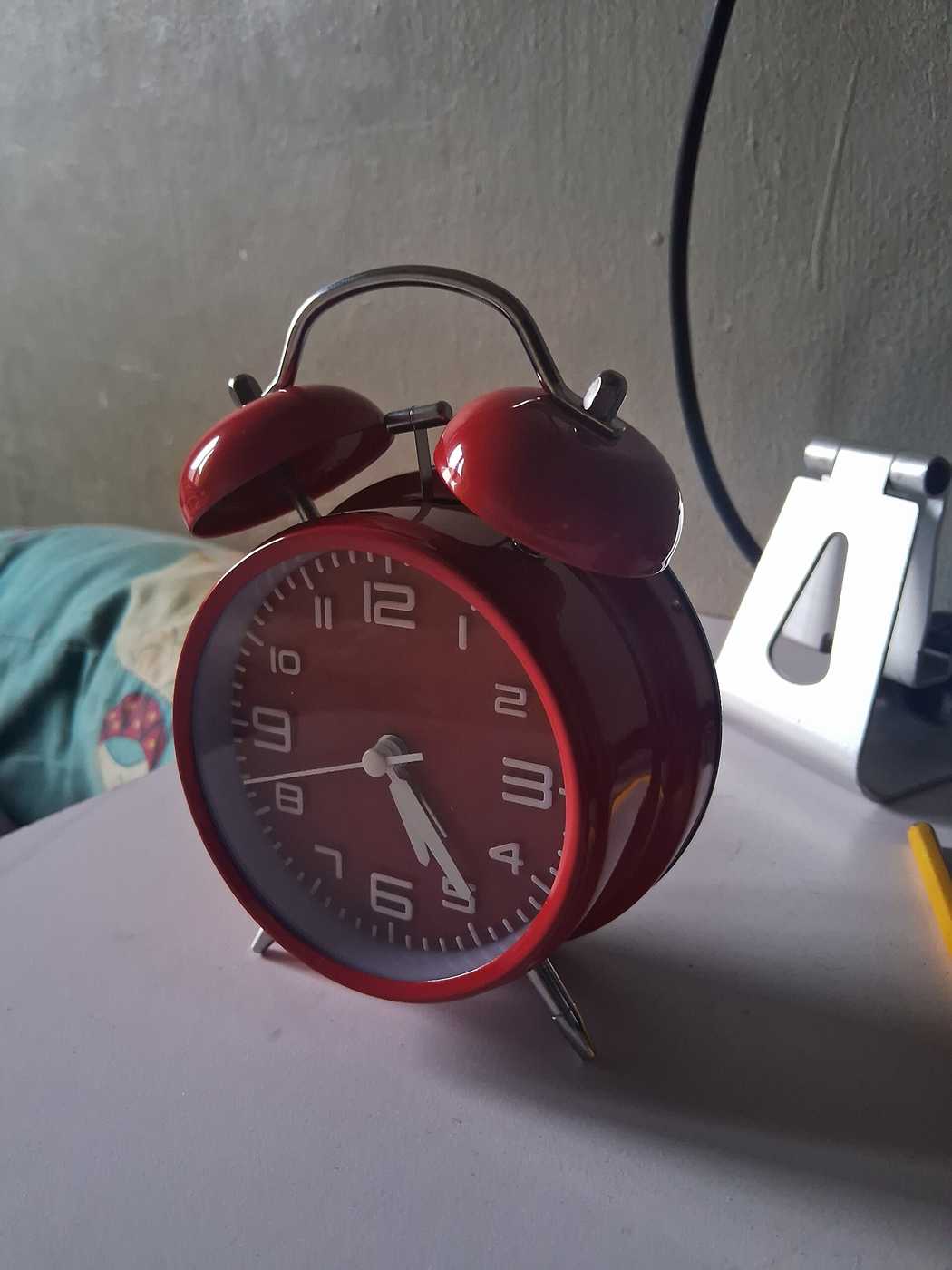
Darker fall evenings cue sleep habits before Nov. 1 fall-back
October’s earlier sunsets already shrink evening light as foliage season peaks, Boston.com and fall travel guides note. USA Today says clocks still fall back at 2 a.m. November 1 unless the Senate acts. Start shifting bedtimes now so kids and shift workers are not shocked in four weeks.
Fall is already doing half the sleep work. Boston.com’s foliage guide and Northeast travel edits describe crisp mornings and earlier evening chill across New England leaf-peeping country — the same darker-after-dinner feel households notice even before clocks move. USA Today’s Oct. 1 explainer says daylight saving time remains on track to end at 2 a.m. local time Sunday, Nov. 1, because the Senate has not passed the Sunshine Protection Act and is headed into recess Oct. 5–Nov. 6.
That gives most of the country about four weeks to practice. Sleep educators typically urge a steady seven-hour-plus sleep opportunity, slightly earlier bedtimes across several nights, and morning light after the change. Teenagers, toddlers, and overnight workers feel the jolt most. Avoid stacking late Halloween sugar with a sudden extra hour of darkness the same week. Set clocks back Saturday evening Nov. 1 so Sunday morning is already on standard time.
Policy still splits. Trump wants permanent daylight time and has pressed the Sunshine Protection Act after the House passed it; Senate Majority Leader John Thune has questioned whether enough votes exist. Many sleep researchers prefer permanent standard time for brighter winter mornings. Ski operators warn permanent daylight would darken winter lift openings and create safety risks. Some Jewish and Muslim communities also flag prayer-time conflicts with later winter sunrises. Hawaii and most of Arizona already skip the twice-yearly drill. None of that changes November’s homework if no law lands.
Backstory: Twice-yearly shifts correlate with short-term accident and mood complaints in studies cited by sleep societies. Use this foliage weekend’s earlier dusk as a rehearsal: dim screens after dinner, keep wake times steady, and treat Nov. 1 as maintenance rather than shock.
What we know:
Fall evenings are already darkening during peak foliage season; fall-back remains scheduled for 2 a.m. Nov. 1 absent new law.
What we don’t:
Whether any last-minute Senate deal alters the November date during the October recess.
Where outlets agree USA Today and fall lifestyle coverage agree evenings are already darkening and that November 1 fall-back remains the scheduled change.
Where they differ Medical groups favoring permanent standard time still clash with political sponsors pushing permanent daylight time.