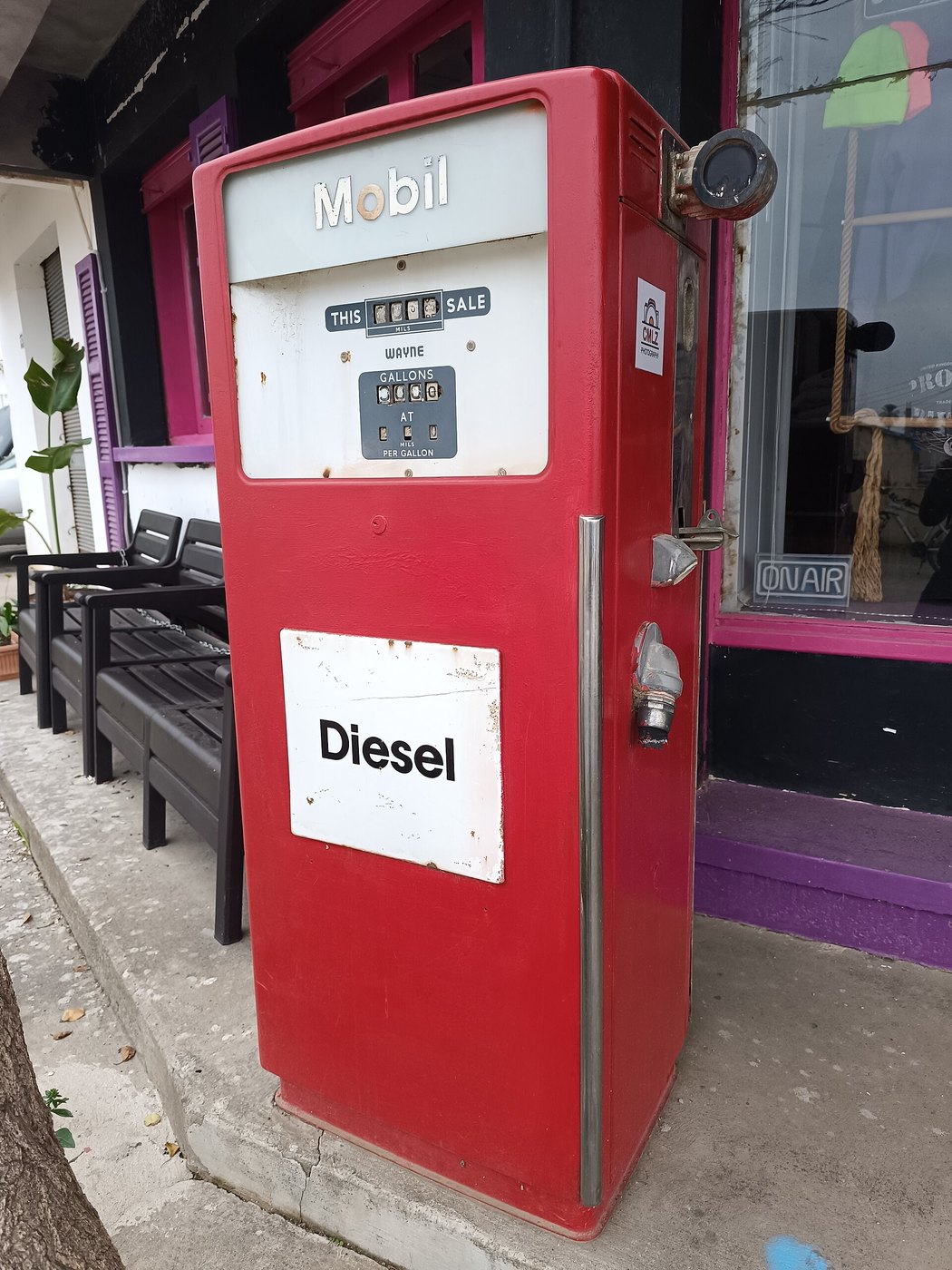
G7 diesel release rolls into weekend; pumps still high
G7 members locked a coordinated IEA release of 100 million barrels of oil and diesel, with a substantial diesel draw in the first 20 days. European diesel futures fell about 8% Friday, and New York Harbor wholesale diesel dropped near 5%. U.S. retail diesel recently ran near $6.50 a gallon, so truckers and households still wait on pump relief.
Group of Seven leaders agreed Friday to release 100 million barrels of diesel and other strategic reserves through the International Energy Agency, starting immediately over four months. The joint statement, carried by The National, Al Jazeera, and The Irish Times, pledged a "front-loaded substantial diesel release within the first 20 days" and talks on more diesel if needed. Cash markets are closed Sunday, so the weekend story is whether wholesale relief survives into Monday's open.
European diesel futures extended a steep Friday drop, with the Irish Times putting the continent's benchmark about 8% lower near $1,337.75 a tonne — the lowest since early September. Wholesale diesel in New York Harbor fell almost 5% to about $4.43 a gallon on the same account. U.S. retail diesel had hit a record near $6.50 a gallon the prior Friday on AAA figures, then eased slightly into later prints near the mid-$6 range.
Trump posted that Europe would unlock a massive diesel stockpile and later said Washington would not impose a U.S. diesel export ban after threatening one midweek. Macron said France would prioritize diesel and that leaders pledged no energy export bans inside the G7. Capital Economics told Al Jazeera the release should pressure prices short term but cannot fix a lasting supply crunch while Middle East, Russian, and Chinese diesel exports stay constrained.
Backstory: in March, IEA members pledged a record 400-million-barrel release; IEA chief Fatih Birol said about two-thirds is already out. Europe still owed refined-fuel shares from that earlier pledge, which is why Friday's fight focused on diesel first ahead of November midterms.
Where to watch: IEA member sequencing notes next week and whether AAA pump averages follow wholesale within days.
What we know:
G7/IEA locked a 100-million-barrel path with diesel prioritized early. European diesel futures and NY Harbor wholesale fell hard Friday. U.S. retail diesel recently ran near record highs.
What we don't:
The exact diesel-versus-crude split inside the 100 million barrels, and how much of Friday's futures drop reaches household pumps.
Where outlets agree The National, Al Jazeera, and The Irish Times agree G7 leaders locked a 100-million-barrel IEA release that prioritizes diesel in the first 20 days.
Where they differ Earlier French framing floated a 50-million-barrel EU diesel slice while the final G7 line is a combined package without a public diesel-crude split.