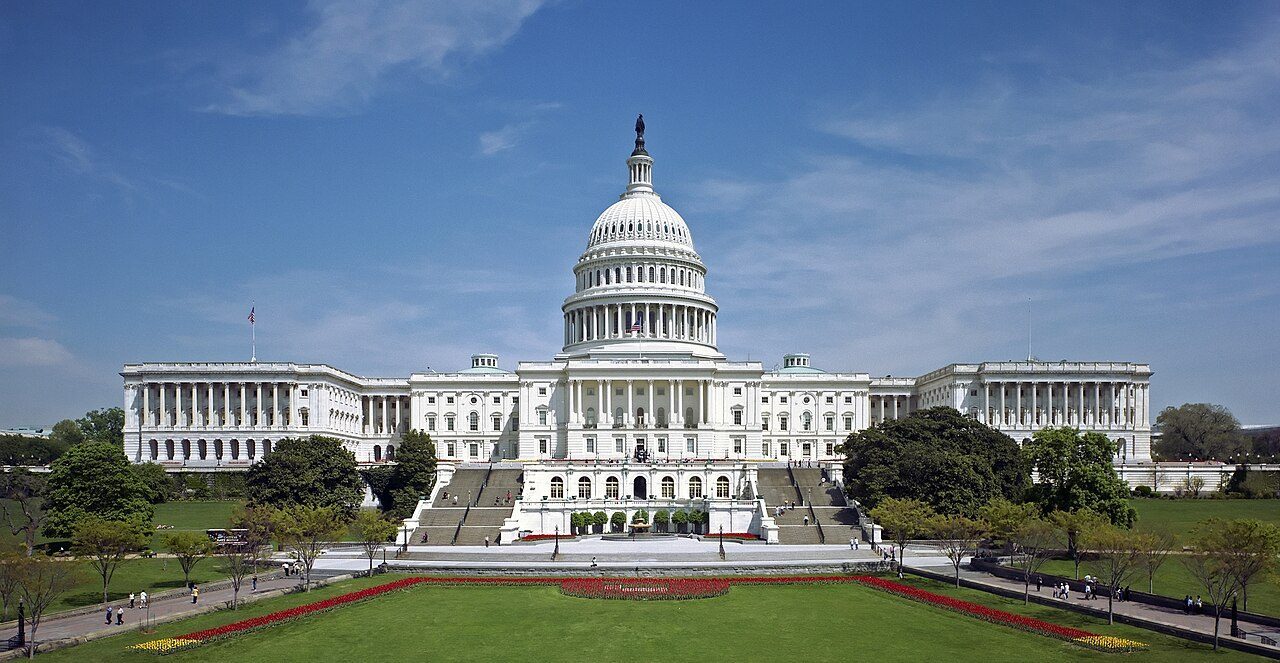
Federal CR funds agencies through Dec. 11 deadline
The FY2027 continuing resolution (P.L. 119-103) keeps most federal agencies open through Dec. 11. Congress must pass full-year bills or another CR before Dec. 12 or face a funding gap. Agencies are limited to minimal new starts under the stopgap.
Washington is already on the clock for the next shutdown fight. President Donald Trump signed H.R. 6500, the Continuing Appropriations and Extensions Act, 2027 (P.L. 119-103), on Sept. 2, CRS Report R49353 explains. Division A funds agencies covered by all 12 regular appropriations bills from Oct. 1 through Dec. 11 — a 72-day bridge at largely FY2026 rates. CBO pegged annualized discretionary budget authority near $1.701 trillion.
If regular bills or another CR are not enacted, a funding gap can begin Dec. 12. The stopgap bans most “new starts,” limits high up-front obligations, and tells agencies to take only the most limited actions needed to continue existing work. The path to the law ran through a House-passed July CR, a bipartisan Senate substitute extending the date to Dec. 11 with added anomalies, a 90–6 Senate passage in August, and a 370–48 House concurrence on Sept. 1. Homeland Security’s Border Patrol and ICE pieces sit partly outside the usual CR baseline on reconciliation funding, but the December date still governs most of government.
Collins’s parallel fight over pocket rescissions shows how December talks can mix must-pass money with power-of-the-purse disputes. For federal workers, contractors, and benefit offices, the stake is certainty through early winter — and another cliff in roughly 10 weeks. Leadership must choose full-year deals, a short lame-duck CR, or brinkmanship. Watch October markups, anomaly requests, and whether December talks merge with pocket-rescission and DHS fights. The CR also freezes certain political-appointee pay rates and extends several immigration authorities for its duration, CRS notes.
What we know:
P.L. 119-103 funds most agencies through Dec. 11; a gap can begin Dec. 12 without new action; new starts are broadly barred.
What we don’t:
Whether December yields full-year bills, another short CR, or a shutdown showdown.
Where outlets agree CRS and the enacted text of Public Law 119-103 agree the stopgap funds covered agencies through Dec. 11 and that a gap can begin Dec. 12 without new action.
Where they differ Appropriators want orderly full-year bills while year-end talks may still collide with pocket-rescission fights and DHS anomalies that some lawmakers treat as leverage.