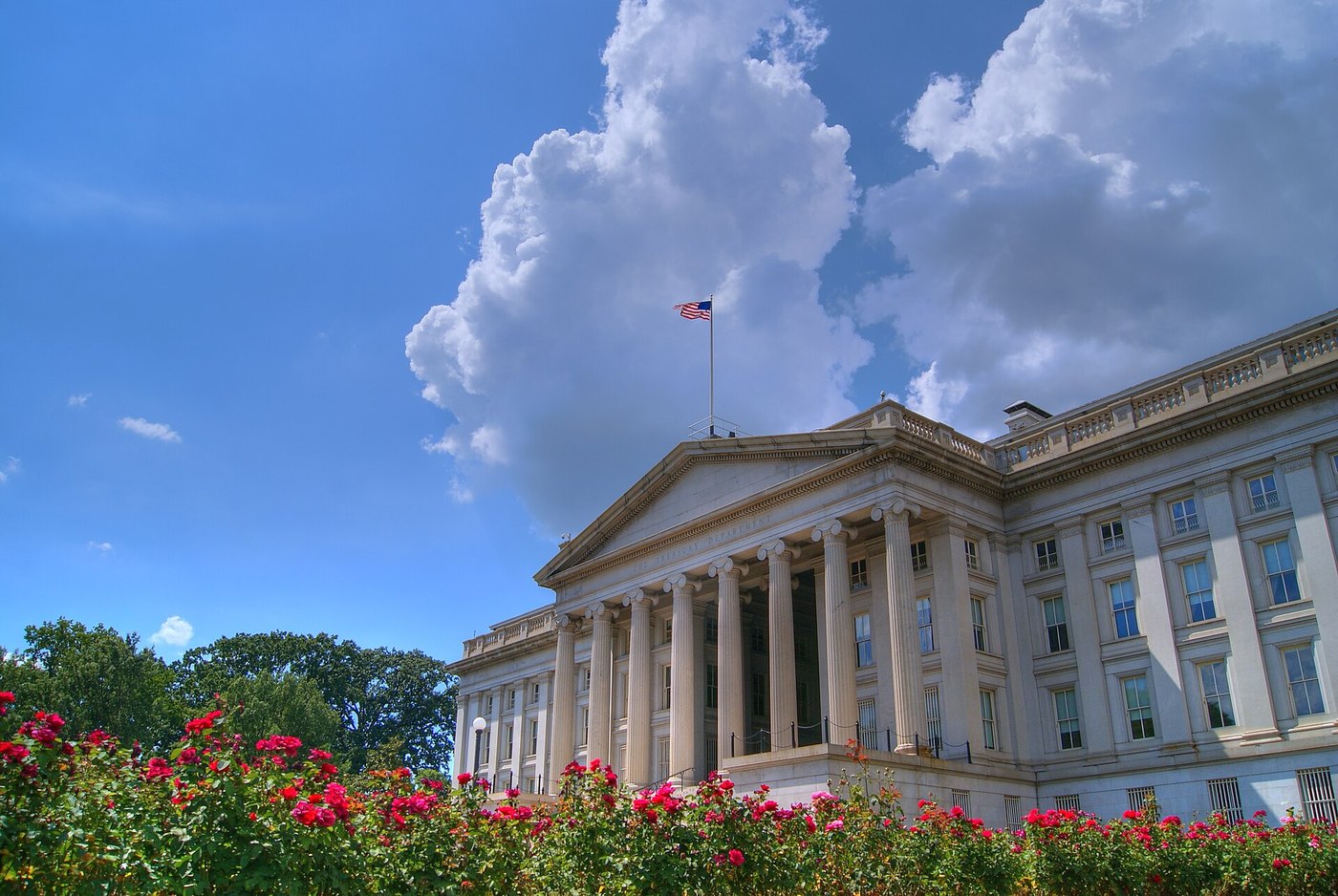
Treasury's Iran auto and rail sanctions still in force
OFAC's Oct. 1 Economic Outcast action against Iran's auto and rail sectors remains the live compliance story into the weekend. Designations hit Iran Khodro, SAIPA, state rail firms, and foreign parts suppliers. Markets treat the package as pressure parallel to force, not a ceasefire path.
The U.S. Treasury's Oct. 1 Operation Economic Outcast designations against Iran's automotive and rail sectors remain in effect as markets head into the weekend. Treasury's press release and OFAC's action list target Iran Khodro, SAIPA, Iran Khodro Diesel, related motorcycle makers, the Islamic Republic of Iran Railway Company, Raja Passenger Trains, and a web of foreign auto-parts and steel facilitators in the UAE, Turkiye, Indonesia, Hong Kong, Germany, and China.
Secretary Scott Bessent cast the move as cutting remaining industrial lifelines after the maritime blockade hit oil revenue. Treasury said the auto sector is Iran's largest non-oil industrial base and is intertwined with IRGC patronage, while rail has become a workaround for blocked ports. Sectoral determinations under Executive Orders 13902 and 13871 authorize further designations against anyone operating in those Iranian sectors.
Business desks care because secondary-sanctions risk now reaches parts shippers, steel traders, and banks that clear related payments. U.S. persons must block property of designated parties; foreign financial institutions face correspondent-account risk for significant transactions with them. Equity exposure for most U.S. households is indirect — Gulf logistics, insurers, and energy prices — rather than Iranian domestic stocks.
Backstory: Economic Outcast was framed in late August as an Economic D-Day campaign. Friday's G7 diesel release and carrier movements sit beside the sanctions track as parallel war-economy tools, not substitutes for each other.
Where to engage: home.treasury.gov release sb0643 and OFAC's Oct. 1 recent-actions page for the full SDN list.
What we know:
Treasury/OFAC designated major Iranian auto and rail entities and named foreign suppliers on Oct. 1 under Economic Outcast.
What we don't:
How fast third-country suppliers exit, and whether the designations change battlefield or negotiation dynamics next week.
Where outlets agree Treasury and OFAC primary documents agree Washington sanctioned Iran's auto and rail sectors on Oct. 1 under Economic Outcast.
Where they differ Administration officials call the measures decisive pressure; critics question whether sectoral sanctions deliver leverage without a diplomatic off-ramp.