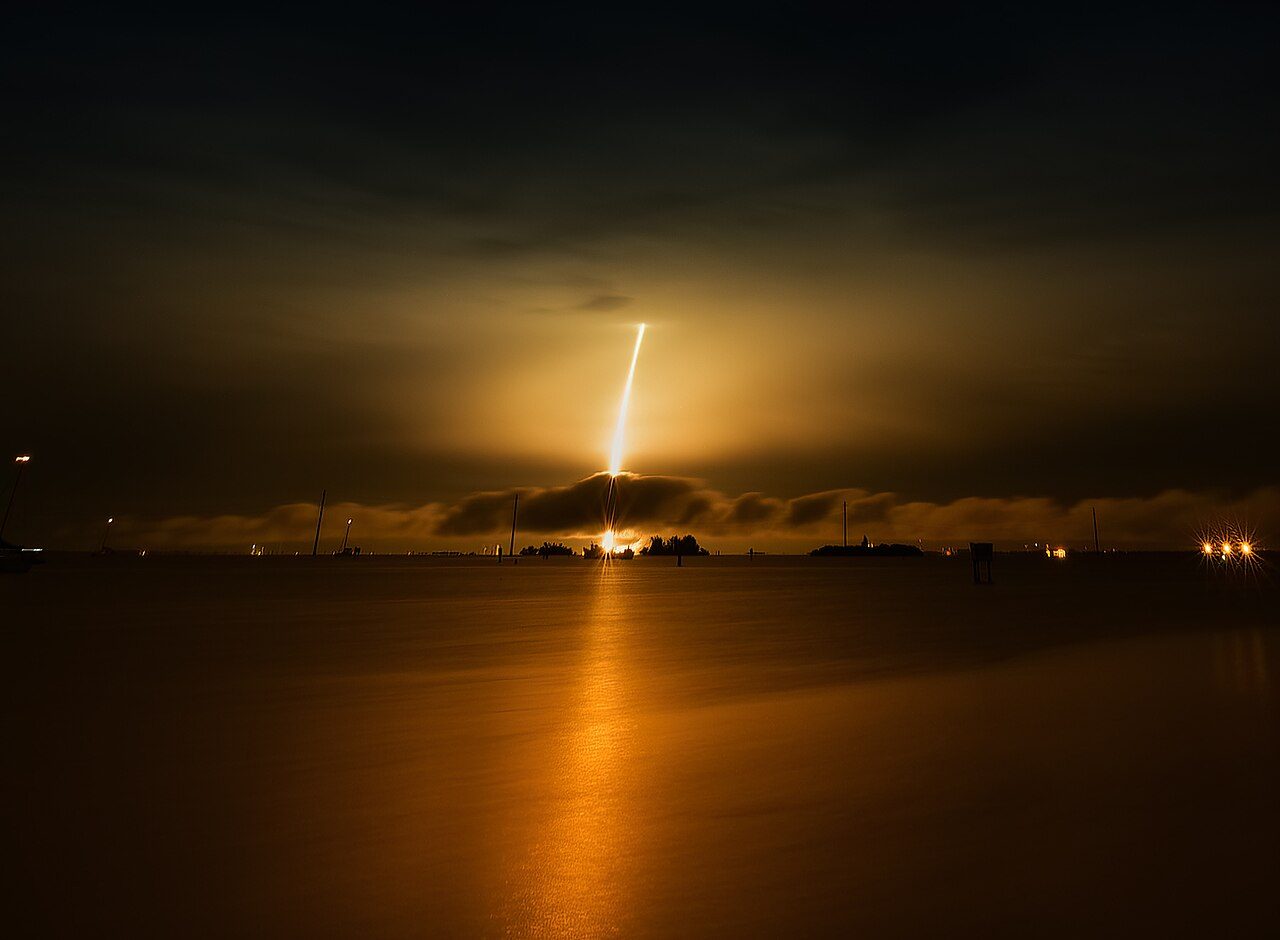
SpaceX Transporter-18 lofted 130 rideshare payloads
SpaceX’s Falcon 9 Transporter-18 rideshare lifted about 130 payloads from Vandenberg Space Force Base, including India’s MOI-1A and other smallsats. Startups use these shared flights to reach orbit without buying a dedicated rocket. Early-orbit checkouts now decide which customers actually enter service.
SpaceX flew Transporter-18, a Falcon 9 rideshare from Vandenberg Space Force Base carrying roughly 130 payloads, SpaceX’s mission page and ThePrint reported. Among them: TakeMe2Space’s MOI-1A orbital-compute satellite, Dhruva Space’s LEAP-2 multi-payload platform, and SatLeo Labs’ TAPAS-1, described as India’s first commercial CubeSat thermal payload.
Rideshares remain the main on-ramp for smallsat startups after dedicated rockets slip or fail. TakeMe2Space’s Anand Rajagopalan told ThePrint the firm hunted the earliest slot after PSLV-C62 failed in January because "any space startup is burning cash whether or not they launch." Entrepreneur Loop and The Next Web framed MOI-1A as a test case for edge computing in orbit — processing imagery aloft to shrink downlink costs for agri and climate customers who cannot afford endless ground bandwidth.
For the broader tech desk, Transporter-18 is less a spectacle launch than industrial infrastructure: reusable first stages, standardized deployment dispensers, and a queue of climate, agri, and AI payloads sharing one booster. Mission success is the easy headline; the harder story is which of the ~130 stacks will declare healthy telemetry this week and which will go quiet after separation.
Backstory: SpaceX Transporter missions have become the default smallsat bus for commercial constellations. Engage: SpaceX launch page and operator social telemetry threads.
What we know:
Transporter-18 flew; ~130 payloads; named Indian payloads include MOI-1A, LEAP-2, TAPAS-1; prior PSLV failure drove the SpaceX rebook.
What we don’t:
Per-payload commissioning results; which customers declare operational first; any anomalies SpaceX has not detailed.
Agree (full): SpaceX, ThePrint, and Entrepreneur Loop agree Transporter-18 successfully launched a large rideshare including MOI-1A.
Differ (full): Operator blogs stress mission success; individual payload health stories will diverge over coming days.
Where outlets agree SpaceX and ThePrint agree Transporter-18 lofted a large Falcon 9 rideshare including TakeMe2Space’s MOI-1A and other Indian smallsats.
Where they differ Mission success is settled; early-orbit health and first customer service claims will vary by payload operator.