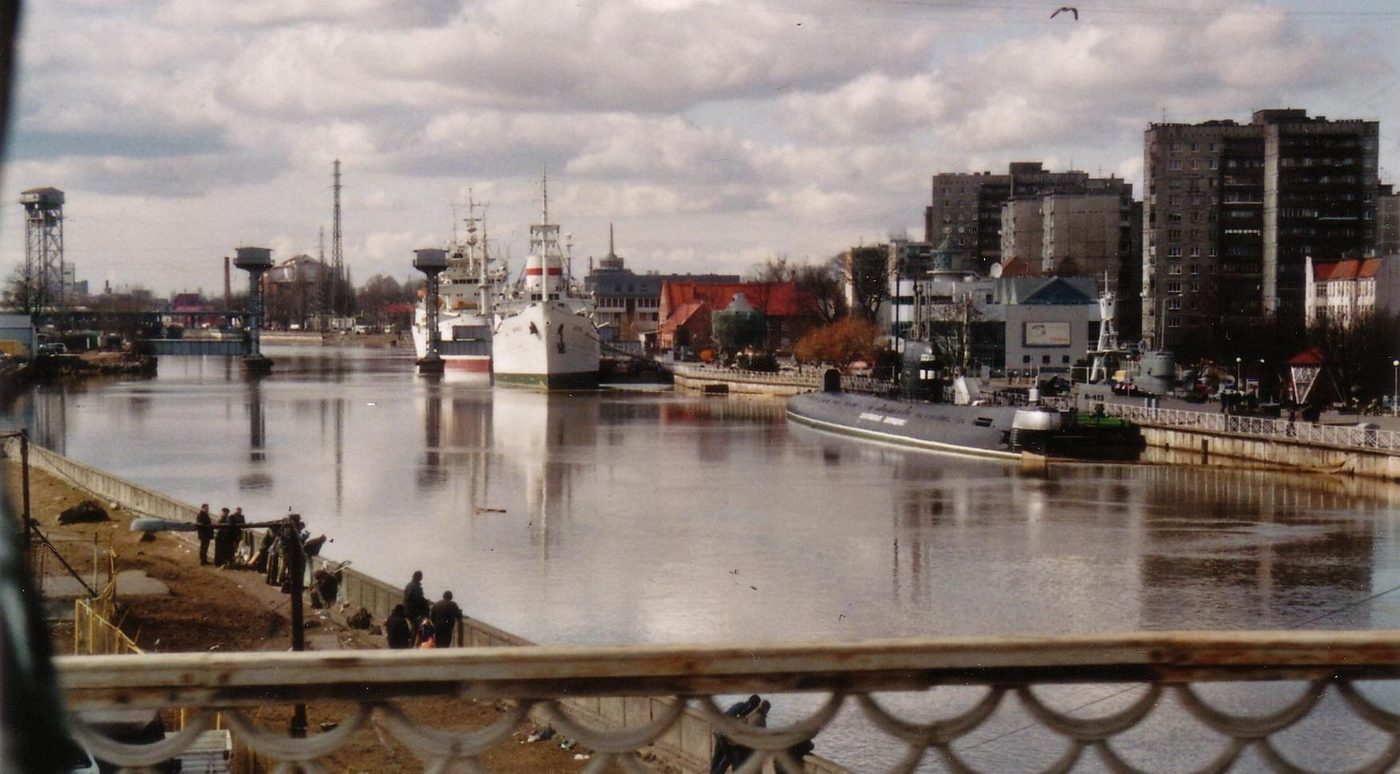
Putin: Russia will use all weapons if Kaliningrad attacked
Vladimir Putin warned that Russia will use every weapon it has if it judges Kaliningrad or other Russian territory under direct attack. NATO rejected the nuclear-threat framing and called alliance exercises defensive. Baltic neighbors already report hybrid pressure and airspace incidents.
Russian President Vladimir Putin told the Valdai forum that if Kaliningrad or other Russian territory comes under “direct attack,” the use of “all arms at the disposal of our country” would “inevitably and immediately” be on the agenda, the BBC, ABC Australia, and CBC report. He insisted Moscow is “not threatening anyone” and is answering Western talk of preparing for war around 2029–2030. Throughout the week Russia accused NATO of preparing a blockade of the Baltic exclave that borders Poland and Lithuania and said nuclear weapons could be used if Kaliningrad were cut off.
NATO Secretary General Mark Rutte said alliance exercises pose no threat to Moscow and urged the Kremlin to stop “nuclear threats.” Western capitals have logged a surge in hybrid incidents blamed on Russia, including a Russian helicopter briefly entering Polish airspace near Kaliningrad and Lithuanian complaints about drones. German Chancellor Friedrich Merz said Berlin is preparing for further hybrid attacks after an explosive-armed drone was found at Leipzig airport near Ukrainian cargo planes.
Putin again blamed the West for the Ukraine war, said Ukrainian strikes on Russian refineries had cost about 1% of GDP, and framed Russian attacks on Ukrainian infrastructure as replies. For NATO’s eastern flank, the stake is whether nuclear rhetoric stays theater or shapes real force posture across the Suwałki Gap. Lithuania has said it maintains evacuation plans; thousands of NATO troops are already stationed there. Watch Baltic Sea naval drills, any further airspace breaches, and whether Putin’s all-weapons line is repeated in formal doctrine papers.
What we know:
Putin issued an all-weapons warning tied to Kaliningrad; NATO rejects blockade and nuclear-threat framing; hybrid incidents in Poland and the Baltics continue.
What we don’t:
Whether Russia would treat a hypothetical blockade as an Article 5 tripwire equivalent, or how far nuclear signaling changes NATO exercise plans.
Where outlets agree BBC, ABC Australia, and CBC agree Putin warned Russia would use all weapons if Kaliningrad or other Russian territory were directly attacked.
Where they differ Moscow frames NATO Baltic activity as blockade preparation; NATO calls exercises defensive and says nuclear threats are uncalled for.