Diesel slide and Arctic ice frame fall pollution watch
Diesel prices fell as Europe and G7 capitals discussed large reserve releases, while Arctic sea ice logged another top-10-low minimum this season. Fall heating season still raises particulate concerns for city lungs. Climate and health desks share the same combustion ledger this week.
Two Friday facts sit on the same carbon math. Irish Times and peer wires described diesel prices dropping as EU and G7 officials weighed tens of millions of barrels of reserve releases to calm fuel markets. NSIDC, days earlier, confirmed another tenth-lowest Arctic sea ice minimum. Burning more distillate to ease trucking costs does not reverse cryosphere losses; it only shifts when stored carbon enters the air.
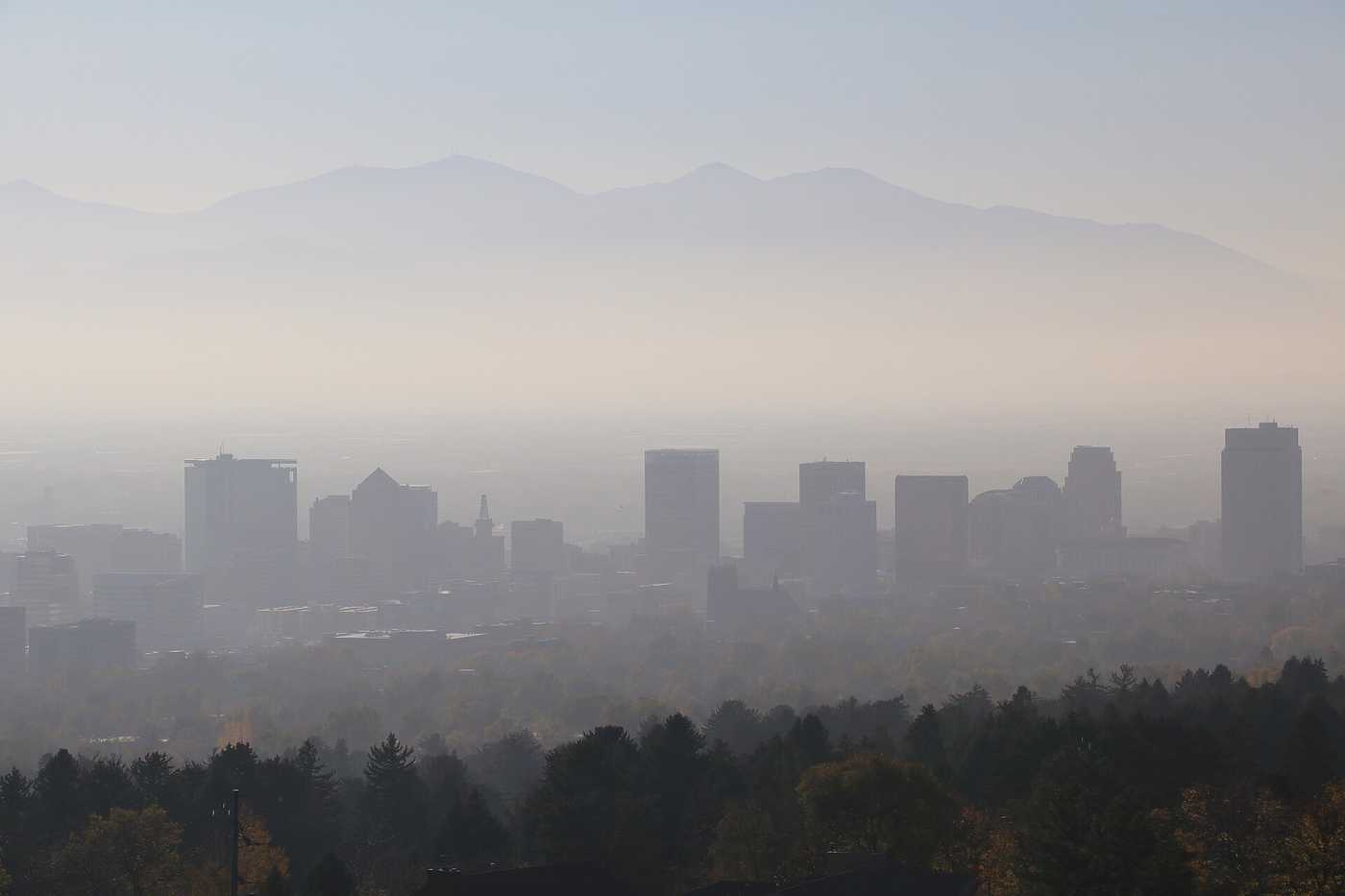
For urban households, autumn’s pollution story is often local: furnace startups, wood stoves, temperature inversions, and residual wildfire haze. Sensitive groups should watch AirNow when inversions trap particles, especially on still nights after a cold front. The Reno–Sparks Bull Fire smoke advisory this week was a reminder that western particulates do not respect calendars.
Policy tension is the point of this card. Cabinets open strategic tanks for price relief while ice centers publish another low minimum and courts hear climate torts. Overnight does not invent a national AQI emergency; it connects verified market and cryosphere wires for readers who feel both the heating bill and the long game. Readers should prefer agency primary texts over secondary paraphrases when figures move. Primary documents linked below carry the figures used here. Check those URLs before treating tip-sheet summaries as final. Concrete dates and instrument readings beat vague climate talk. Primary documents linked below carry the figures used here. Check those URLs before treating tip-sheet summaries as final. Agency timelines and instrumented measurements remain the backbone of this Saturday desk. Agency timelines and instrumented measurements remain the backbone of this Saturday desk.
What we know:
Reserve-release news cooled diesel quotes while Arctic ice marked another historically low minimum as heating season begins.
What we don’t:
How much additional distillate burn will show up in near-term emissions inventories.
Where outlets agree Energy and cryosphere outlets together show fuel-release price relief arriving in the same season as another low Arctic ice minimum.
Where they differ Market coverage celebrates cheaper diesel while climate coverage treats added combustion as a setback.