Oil eases as G7 unlocks reserves; Hormuz still risky
Brent and U.S. crude fell Friday after G7 members agreed to release 100 million barrels of diesel and other reserves through the IEA. Flows through the Strait of Hormuz are near three-quarters of prewar volumes, but tanker risk and a war premium remain. Pump and diesel costs for drivers still sit far above last year.
Crude prices softened Friday after Group of Seven members said they would release 100 million barrels of diesel and other strategic reserves through the International Energy Agency. The National reported Brent trading about 1.5% lower near $100.80 a barrel and West Texas Intermediate about 2.7% lower near $90.40. A Reuters wrap on MarketScreener showed similar midday declines for both benchmarks as traders priced in the reserve path.
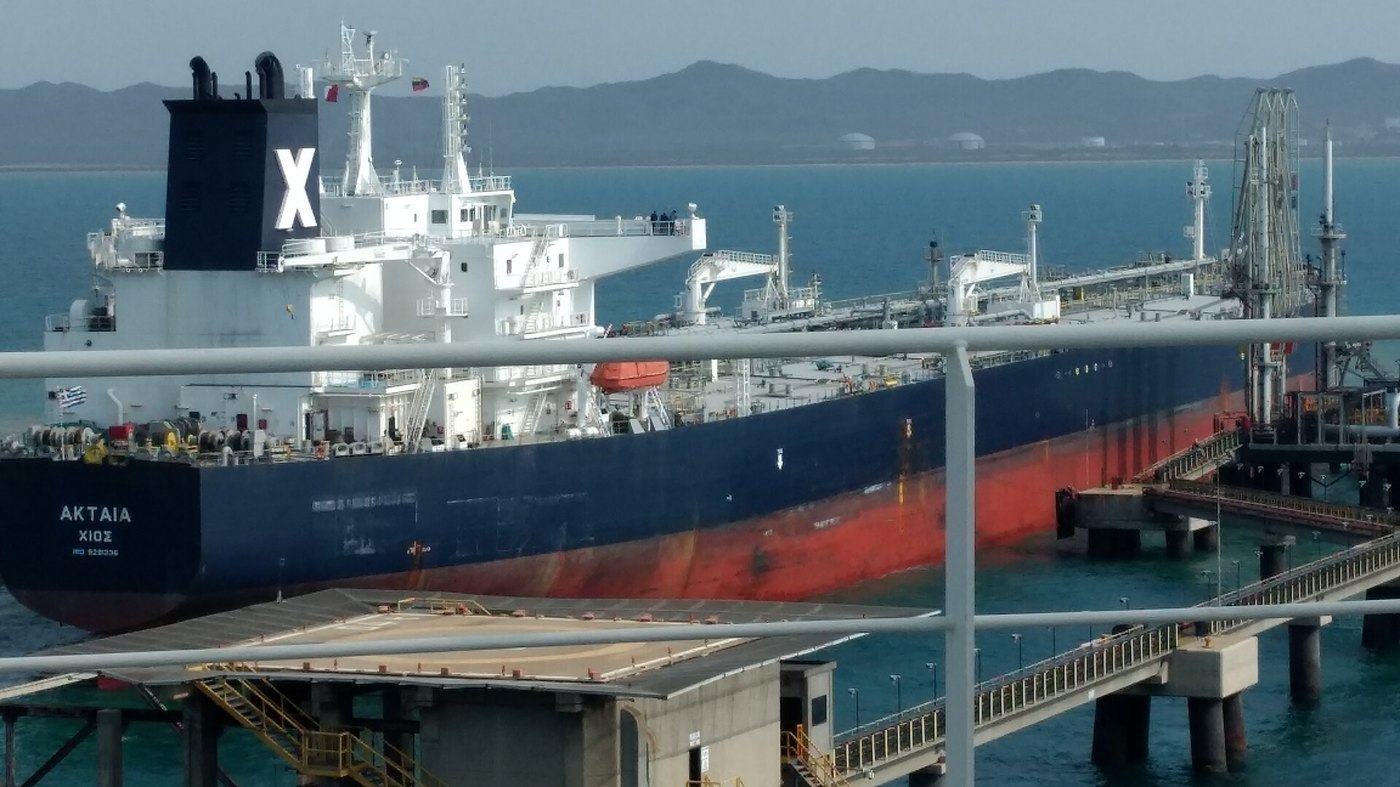
French President Emmanuel Macron said oil shipments have improved in recent days and that, between Hormuz and the Yanbu pipeline, about three-quarters of prewar volumes are moving. Kpler shipping data cited in the same report showed at least 16.5 million barrels a day leaving the Middle East in September, with some U.S. naval escorts still in play. That recovery has not erased tanker risk or the war premium that pushed diesel to record territory in Europe and the United States.
The release is meant to calm markets without pretending the Strait is back to normal. Leaders also said they would refrain from energy export bans among G7 members after Trump floated a U.S. diesel export ban that European officials rejected. Households still feel the tip of the chain: U.S. retail diesel recently ran near $6.50 a gallon, roughly $3 above year-ago levels in The National's account, before easing slightly into the Friday AAA print.
Backstory: the Iran war that began Feb. 28 jammed the world's most important oil chokepoint and forced producers onto alternate routes. March's IEA 400-million-barrel release program is only partly complete; IEA chief Fatih Birol said members had released about two-thirds of that earlier pledge.
Where to watch: weekend Hormuz flow updates and whether Monday crude opens hold Friday's slide.
What we know:
G7/IEA agreed to a 100-million-barrel release starting immediately over four months. Friday crude prints fell. Macron said Hormuz-route flows are about three-quarters of prewar levels.
What we don't:
How much of the release is diesel versus crude in practice, and whether tanker attacks or insurance spikes reverse the price slide next week.
Where outlets agree The National, Al Jazeera, and Reuters wraps agree Friday's oil slide followed a G7/IEA plan to release about 100 million barrels.
Where they differ Desks differ on how much Hormuz war risk is still priced after Macron said flows are near three-quarters of prewar volumes.