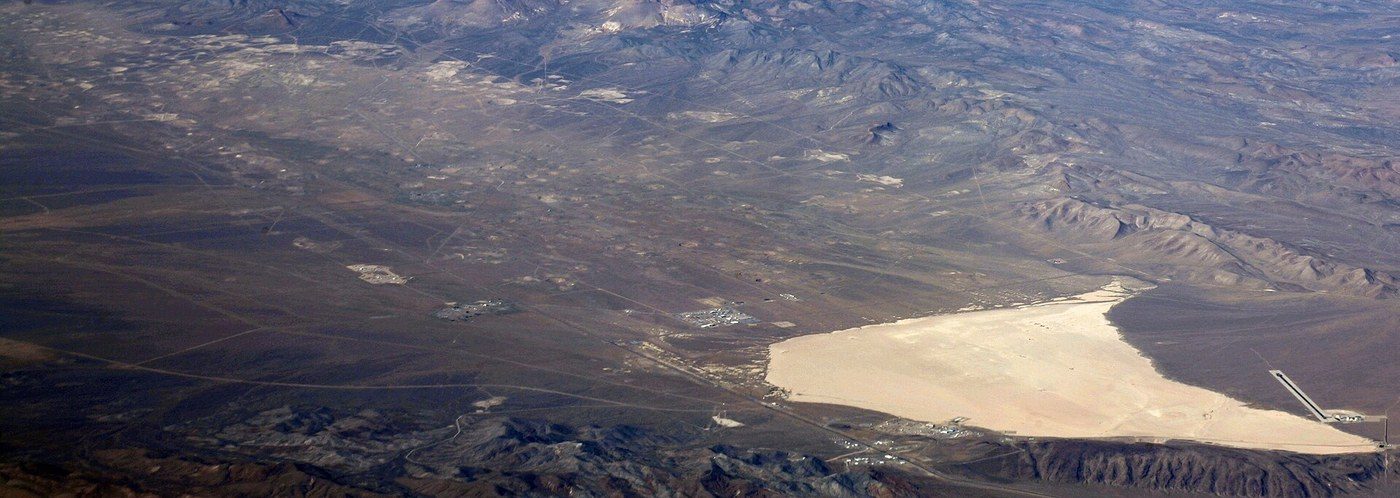
NNSA runs non-nuclear detection blast in Nevada tunnel
NNSA said Sept. 30 it successfully fired a subsurface chemical high-explosive experiment in the Nevada National Security Site’s P Tunnel. The non-nuclear test aims to improve detection of low-yield, decoupled underground nuclear blasts. Sensors gathered seismic, infrasound, and radiotracer data.
Nevada’s nuclear-security desert is busy again — without a nuclear yield. The National Nuclear Security Administration announced Sept. 30 that it conducted a subsurface chemical high-explosive experiment in P Tunnel at Area 12 of the Nevada National Security Site. Administrator Brandon Williams cast the shot as strengthening U.S. ability to detect foreign low-yield tests, including “decoupled” blasts staged inside large underground cavities that muffle seismic signals.
Researchers used accelerometers, seismometers, infrasound, electromagnetic sensors, chemical and radiotracer samplers, and weather instruments to capture signatures that feed detection models. NNSA linked the science need to its assessment that China conducted a decoupled-style test at Lop Nur in June 2020. Local KOLO-TV coverage confirmed the nonproliferation experiment framing for Nevada audiences.
This is not a return to explosive nuclear testing; the agency stresses chemical high explosives only. Arms-control analysts will still parse the political messaging layered onto the technical shot. For science readers, the deliverable is better algorithms for distinguishing muted underground events from earthquakes and conventional mining blasts. Readers should prefer agency primary texts over secondary paraphrases when figures move. Primary documents linked below carry the figures used here. Check those URLs before treating tip-sheet summaries as final. Concrete dates and instrument readings beat vague climate talk. Primary documents linked below carry the figures used here. Check those URLs before treating tip-sheet summaries as final. Agency timelines and instrumented measurements remain the backbone of this Saturday desk. Agency timelines and instrumented measurements remain the backbone of this Saturday desk.
What we know:
NNSA executed a non-nuclear chemical explosive experiment in NNSS P Tunnel on Sept. 30 to refine decoupled-test detection.
What we don’t:
When processed datasets or peer-reviewed detection papers from this shot will be publicly released.
Where outlets agree NNSA and Nevada local coverage agree a non-nuclear chemical explosive detection experiment ran in P Tunnel on Sept. 30.
Where they differ Political framing of the shot as a message to rivals sits beside narrower technical claims about sensor algorithms.