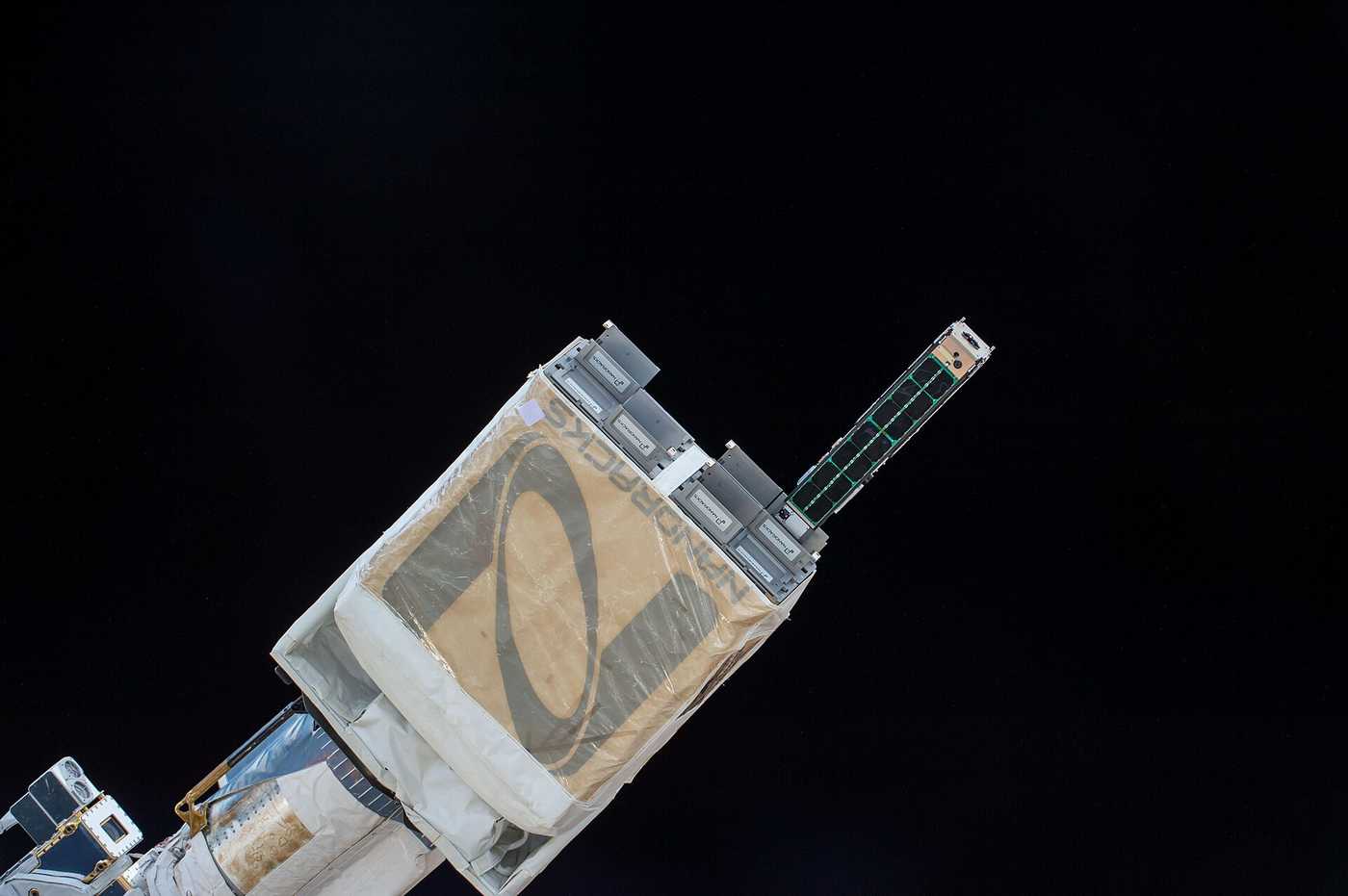
MOI-1A in orbit after Transporter-18; beacon still a watch
Hyderabad startup TakeMe2Space’s MOI-1A AI satellite rode SpaceX’s Transporter-18 Falcon 9 after a failed January ISRO attempt. The 14 kg craft aims to process Earth images in orbit instead of dumping raw data to ground stations. Public desks still await confirmed beacon and commissioning milestones.
TakeMe2Space launched MOI-1A on SpaceX’s Transporter-18 rideshare from Vandenberg, ThePrint and The Next Web reported, months after losing MOI-1 on ISRO’s failed PSLV-C62 in January. The 14 kg satellite carries about 117 TOPS of onboard compute, 2 TB of storage, and a nine-band multispectral imager for agriculture, mining, and supply-chain customers — 23 already signed, the company says.
MOI-1A is billed as the first of five satellites toward an "orbital data centre" that processes Earth observation data in space rather than downlinking huge raw volumes. SpaceX’s mission page confirms Transporter-18 flew; Indian companions included Dhruva Space’s LEAP-2 and SatLeo Labs’ TAPAS-1 thermal CubeSat. Executive Anand Rajagopalan told ThePrint the firm grabbed the earliest SpaceX slot because startups burn cash whether or not they launch.
Ops overnight status remains a watch: launch success is confirmed across SpaceX and Indian tech desks, but ≥2 independent public confirmations of healthy beacon lock and full commissioning were still pending at pack time. That gap matters because early-orbit failures often appear only after the press cycle moves on, and NewsHabit will not treat company hopes as on-orbit proof.
Backstory: cash-burning space startups need the earliest launch slot after a failure; TakeMe2Space took SpaceX’s October window. Engage: company telemetry updates and amateur satellite trackers.
What we know:
MOI-1A launched on Transporter-18; prior PSLV attempt failed; orbital-compute pitch and customer count stated by company; companion Indian payloads flew.
What we don’t:
Confirmed beacon/commissioning from ≥2 public desks; first customer product deliveries; constellation timeline slip risk.
Agree (full): SpaceX, ThePrint, and TNW agree MOI-1A launched successfully on Transporter-18 as an orbital-compute demonstrator.
Differ (full): Company materials imply a smooth path to service; independent commissioning confirmation remains open overnight.
Where outlets agree SpaceX, ThePrint, and The Next Web agree TakeMe2Space’s MOI-1A launched successfully on Transporter-18 as an AI-enabled orbital computing satellite.
Where they differ Launch success is confirmed; healthy beacon and full commissioning still lack multi-desk public confirmation overnight.