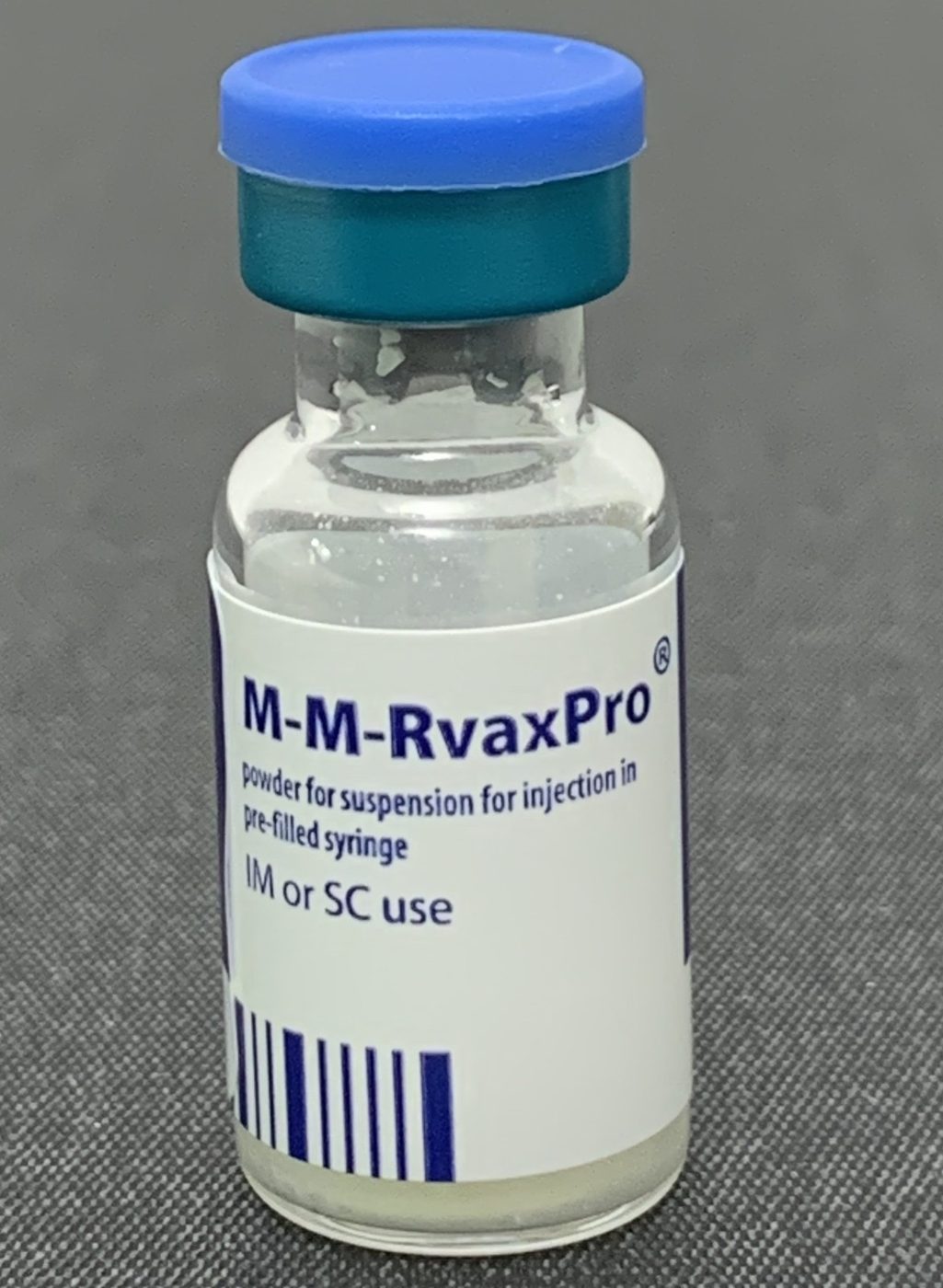
CDC urges MMR catch-up where measles is spreading
CDC guidance still centers on two MMR doses for lasting protection and allows earlier infant doses during outbreaks. Lewis County and Pennsylvania clusters show unvaccinated households drive local spread. Post-exposure MMR within 72 hours can still blunt illness for eligible people.
Vaccination remains the primary tool against measles while case counts stay near historic highs. CDC clinician guidance for specific groups reiterates that two MMR doses confer strong protection for most people and that outbreak areas may offer an early dose to infants 6 through 11 months, followed by the routine series later. People born before 1957 are generally presumed immune; others without records should check titers or revaccinate per local advice.
Lewis County’s 10 new unvaccinated cases and Pennsylvania’s deaths among unvaccinated patients illustrate the same pattern: clusters move through households and communities with low coverage. CDC materials note MMR within 72 hours of exposure, or immune globulin within six days for people who cannot receive live vaccine, can prevent or reduce severity. Call clinics before walking into waiting rooms if you may be contagious.
Public debate often slides into mandate politics; the medical fact pattern this weekend is narrower. Outbreak counties are running isolation rules, exposure notification, and catch-up clinics. Immunocompromised patients who cannot take live MMR — like the Lancaster County woman on chemo — depend on everyone around them being protected. Schools, churches, and workplaces remain common exposure settings when one infectious person arrives during the prodrome before the rash.
Backstory: the United States declared measles eliminated in 2000; today’s outbreaks are fueled by imported cases landing in under-vaccinated pockets. Overnight sticks to CDC dosing windows and named outbreak reporting rather than inventing local clinic hours.
What we know:
Two-dose MMR remains the standard; outbreak-area infant dosing and 72-hour post-exposure MMR are on CDC guidance; new cases are concentrated among the unvaccinated.
What we don’t:
How many eligible adults will actually complete catch-up shots in the next two weeks.
Where outlets agree CDC guidance and outbreak reporting agree vaccination and timely post-exposure MMR are the main tools slowing household spread.
Where they differ Local leaders differ on how forcefully to message catch-up campaigns inside hesitant communities.