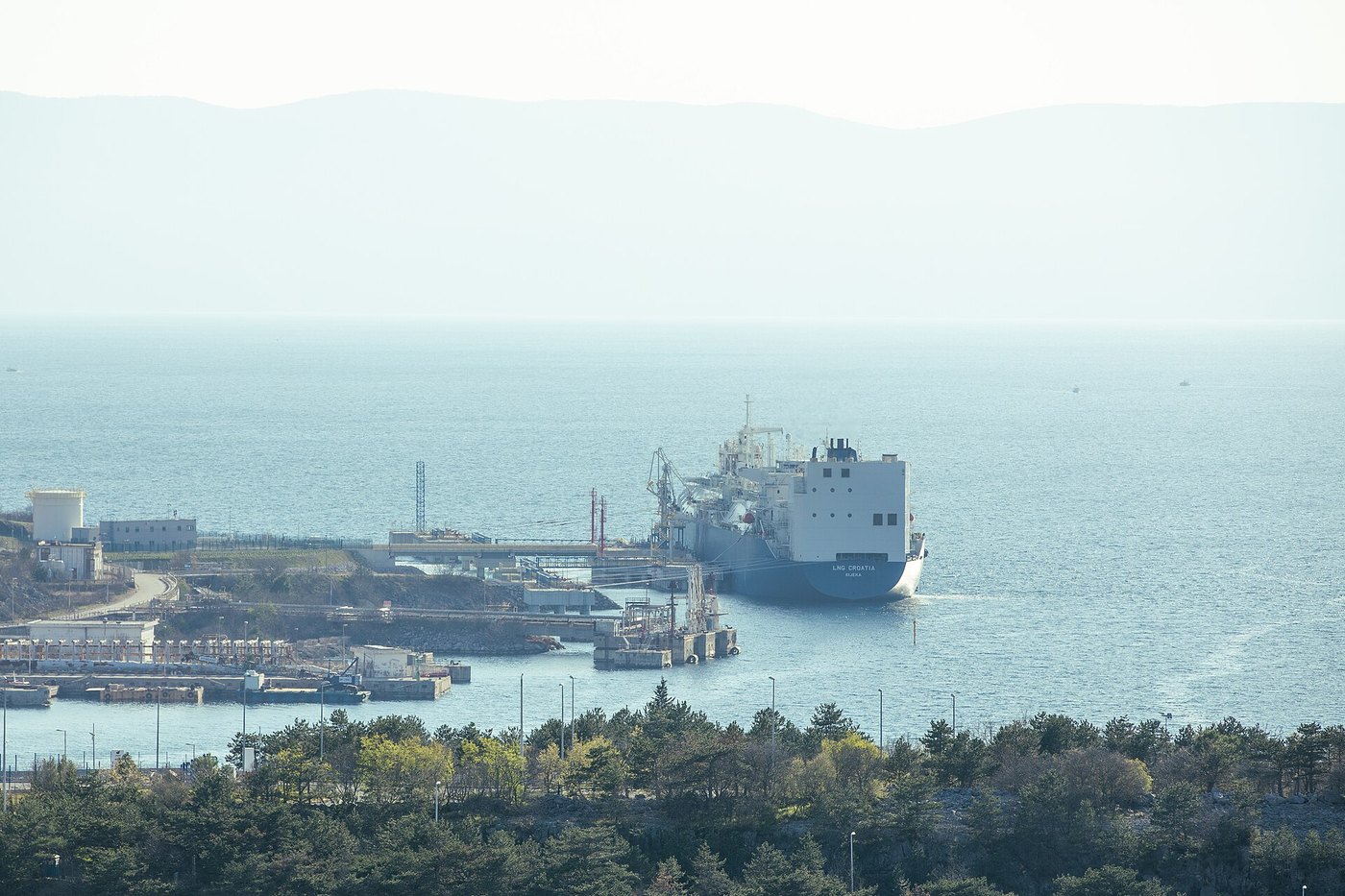
Hormuz flows partly restored as war risk premiums stay high
Crude flows through the Strait of Hormuz have largely returned toward prewar levels while refined-fuel shipments stay constrained. Shippers and insurers still price war risk into every Gulf voyage. G7 reserve-release talks and a third U.S. carrier move keep tanker desks on alert.
Crude oil exports through the Strait of Hormuz have largely returned toward prewar levels through escorts, pipelines, and ship-to-ship transfers, Guardian and CNBC reporting shows, but fuel and diesel shipments remain tighter. Business Times and energy desks said oil and fuel prices slid as Europe mulled strategic reserve releases — a sign markets are pricing partial normalization beside lasting risk.
War risk insurance and routing premiums have not returned to peacetime norms. Carriers still face political risk from a conflict that began Feb. 28 and from intermittent Houthi pressure farther south at Bab al-Mandeb. Al Jazeera’s carrier-and-troops reporting underscores that military escalation could snap freight costs higher overnight even if today’s tanker counts look healthier.
For U.S. households, partial Hormuz recovery helps crude but has not fixed diesel, which spiked as Russian, Gulf, and Chinese product flows were disrupted. Grocers and truckers feel that lag first. The National’s G7/IEA reserve story is the policy answer markets are watching this weekend as traders decide whether to keep paying elevated war-risk cover on Gulf-loaded cargoes.
Backstory: Hormuz typically moves about a fifth of global oil and LNG in peacetime. Engage: Lloyd’s/war-risk notices, UKMTO alerts, and IEA release confirmations.
What we know:
Crude Hormuz flows largely recovered; refined fuels remain constrained; Europe/G7 discussing reserve releases; U.S. force buildup continues; insurance risk remains elevated.
What we don’t:
How fast war-risk premiums fall if diplomacy stalls; whether a new combat round recloses the strait; exact insurer rate paths by route.
Agree (full): Guardian, CNBC, Business Times, and The National agree crude transit has largely recovered while fuel risk and policy responses remain active.
Differ (full): Some market desks stress restoration; security desks stress that carrier moves and unfinished diplomacy keep insurance elevated.
Where outlets agree Guardian, CNBC, and Business Times agree Hormuz crude flows have largely recovered while refined-fuel constraints and war-risk costs persist.
Where they differ Market desks emphasize restored crude barrels; security and insurance desks warn carrier buildup and unfinished diplomacy can reprice risk overnight.