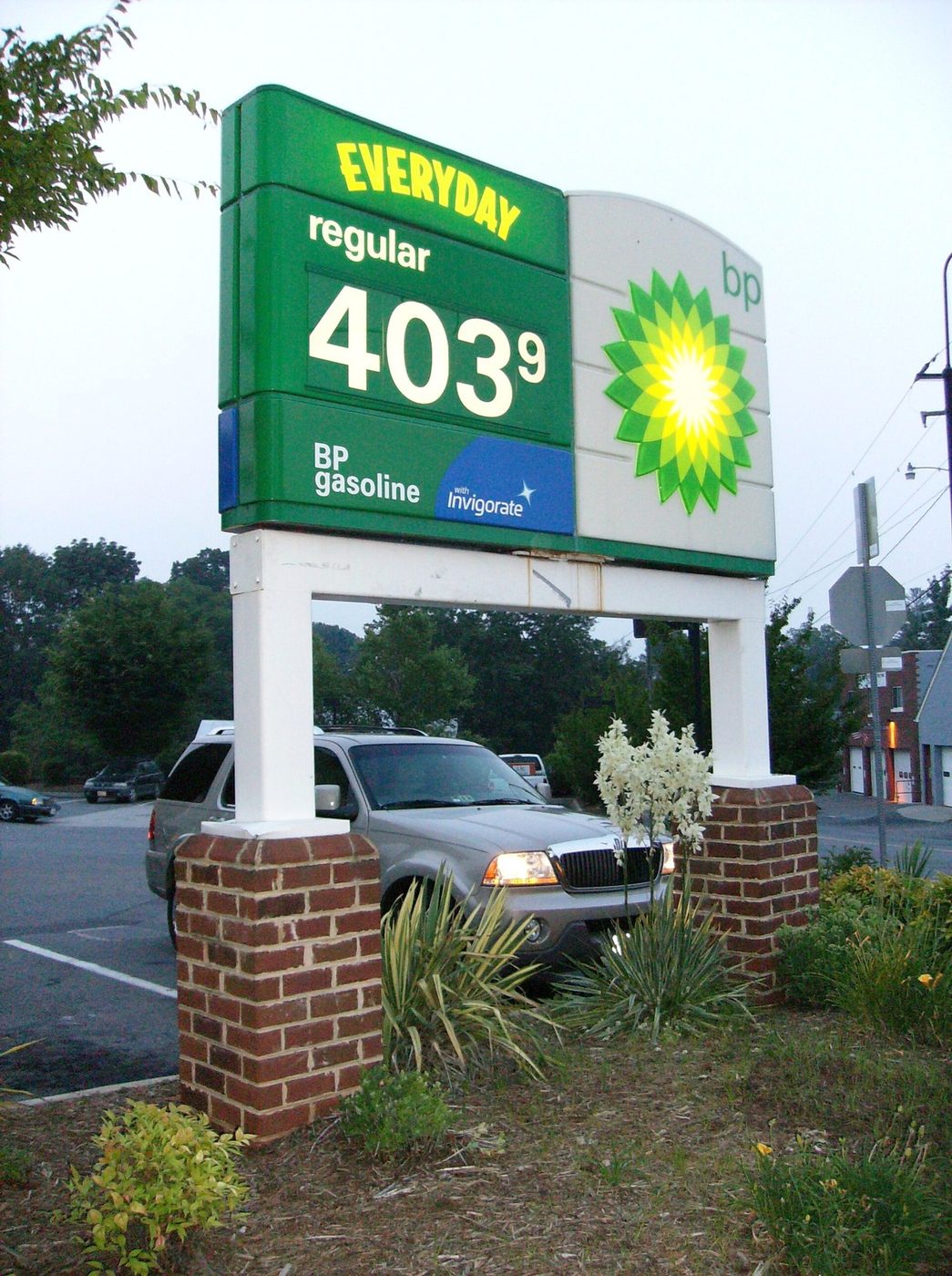
Households still feel diesel pain despite reserve release
An AP-NORC poll finds 65% of adults blame President Trump's policies for higher-than-usual prices. Friday's G7 diesel release may ease wholesale fuel, but U.S. retail diesel recently ran near $6.50 a gallon. Midterm voters are judging the war premium at the pump.
Price pain remains the household story even after Friday's G7 reserve deal. An AP-NORC survey conducted Sept. 24-28 found 65% of U.S. adults say higher-than-usual prices are the result of Trump's policies, while 67% of Republicans say the causes lie beyond his control. Sixty-nine percent say his handling of the cost of living has been worse than expected, including 52% of Republicans. Fortune coverage of the same poll field put his economy approval near one in four adults.
Diesel is the sharp edge. The National reported U.S. retail diesel near $6.50 a gallon last week — roughly $3 above year-ago levels — before AAA's Friday average near $6.37 cited by Al Jazeera. Europe hit record pump prices near 2.24 euros a litre. Friday's G7/IEA plan to release 100 million barrels with diesel front-loaded in 20 days is explicitly aimed at that pain ahead of November midterms, but wholesale futures drops do not instantly refill household tanks.
The Iran war that began Feb. 28 remains the other half of the ledger. Seventy-one percent disapprove of Trump's handling of Iran in the AP-NORC poll, and 69% say the war has not been worth fighting. That splits the political argument: White House allies blame wartime shipping and refining shocks; critics blame policy choices that piled tariffs and conflict risk onto already high energy bills.
Backstory: diesel powers trucks, farms, and construction — so the same gallon that hits a pickup commute also feeds grocery and freight inflation. Reserve releases can shave the wholesale peak; they do not end Hormuz risk.
Where to watch: AAA diesel averages next week and whether pump prices follow Friday's futures drop.
What we know:
AP-NORC shows broad blame on Trump for high prices. U.S. diesel recently ran near record highs before a modest Friday ease. G7 locked a diesel-heavy reserve release.
What we don't:
How much of the futures decline reaches retail within days, and whether midterm voters credit the release if pumps stay elevated.
Where outlets agree AP-NORC, Al Jazeera, and The National agree high diesel and living costs are central political pressure points into the midterms.
Where they differ Republicans in the poll mostly blame factors beyond Trump; overall adults mostly blame his policies — and war versus policy arguments split the same way.