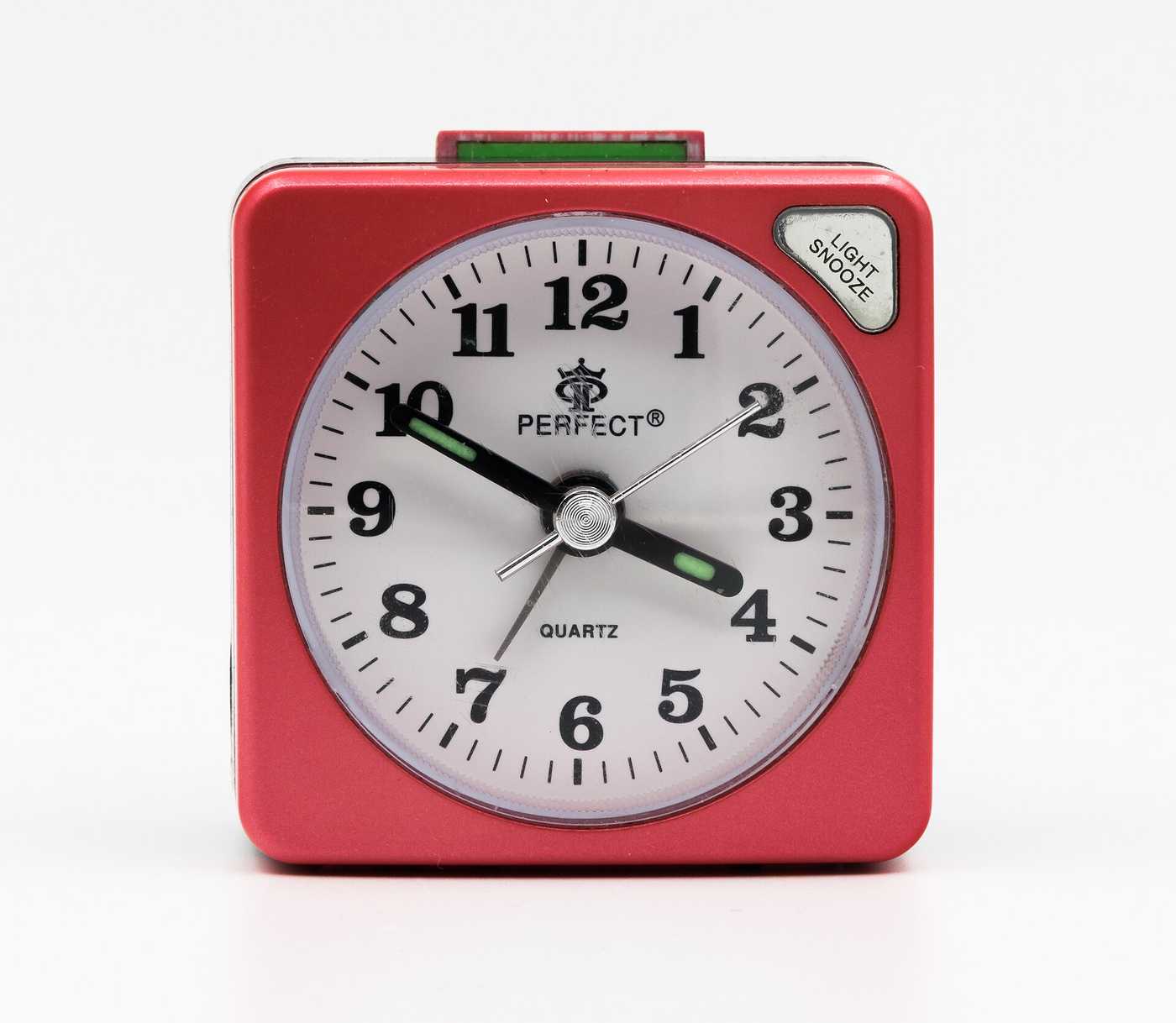
Clocks still fall back Nov. 1 as sleep doctors push standard time
Unless the Senate acts, daylight saving time ends at 2 a.m. local time Sunday, Nov. 1. The American Academy of Sleep Medicine wants permanent standard time, not permanent daylight time. Trump backs the House-passed Sunshine Protection Act still stuck in the Senate.
Americans should still plan to turn clocks back one hour on Sunday, Nov. 1, USA Today reported, because the Senate has not passed the Sunshine Protection Act that would make daylight saving time permanent. The House already approved the bill and President Trump has urged senators to finish it, but Majority Leader John Thune has questioned whether enough votes exist. Another Senate recess begins Oct. 5, leaving little floor time before the fall-back date.
Sleep clinicians are not unified with the permanent-DST camp. The American Academy of Sleep Medicine and the Coalition for Permanent Standard Time argue year-round standard time better matches circadian biology, brightens winter mornings, and reduces dark-commute risks for kids. AASM materials urge seven hours of sleep around the change, shifting meals and exercise slightly later beforehand, and seeking morning light afterward. Ski resorts and some religious communities have also opposed permanent DST over dark mornings and prayer timing.
Polls show most Americans want to stop changing clocks twice a year but split on which permanent system to adopt. Hawaii, most of Arizona, and several territories already stay on standard time. For households, the near-term health stake is practical: protect sleep the weekend of Nov. 1 rather than waiting on a bill that may not move before recess. Teenagers already short on sleep may feel the Monday after fall-back hardest when school bells do not move with the clock. Shift workers should preview roster software for the Nov. 1 transition so overnight shifts are not double-paid or skipped by mistake.
What we know:
Fall-back remains scheduled for Nov. 1 absent new law; AASM prefers permanent standard time; Trump prefers permanent DST via the Sunshine Protection Act.
What we don’t:
Whether the Senate will schedule a vote before the November recess ends.
Where outlets agree USA Today and sleep groups agree Nov. 1 fall-back is still on the calendar while Congress debates which permanent system to pick.
Where they differ Trump and House allies push permanent daylight time; AASM and many sleep researchers push permanent standard time.