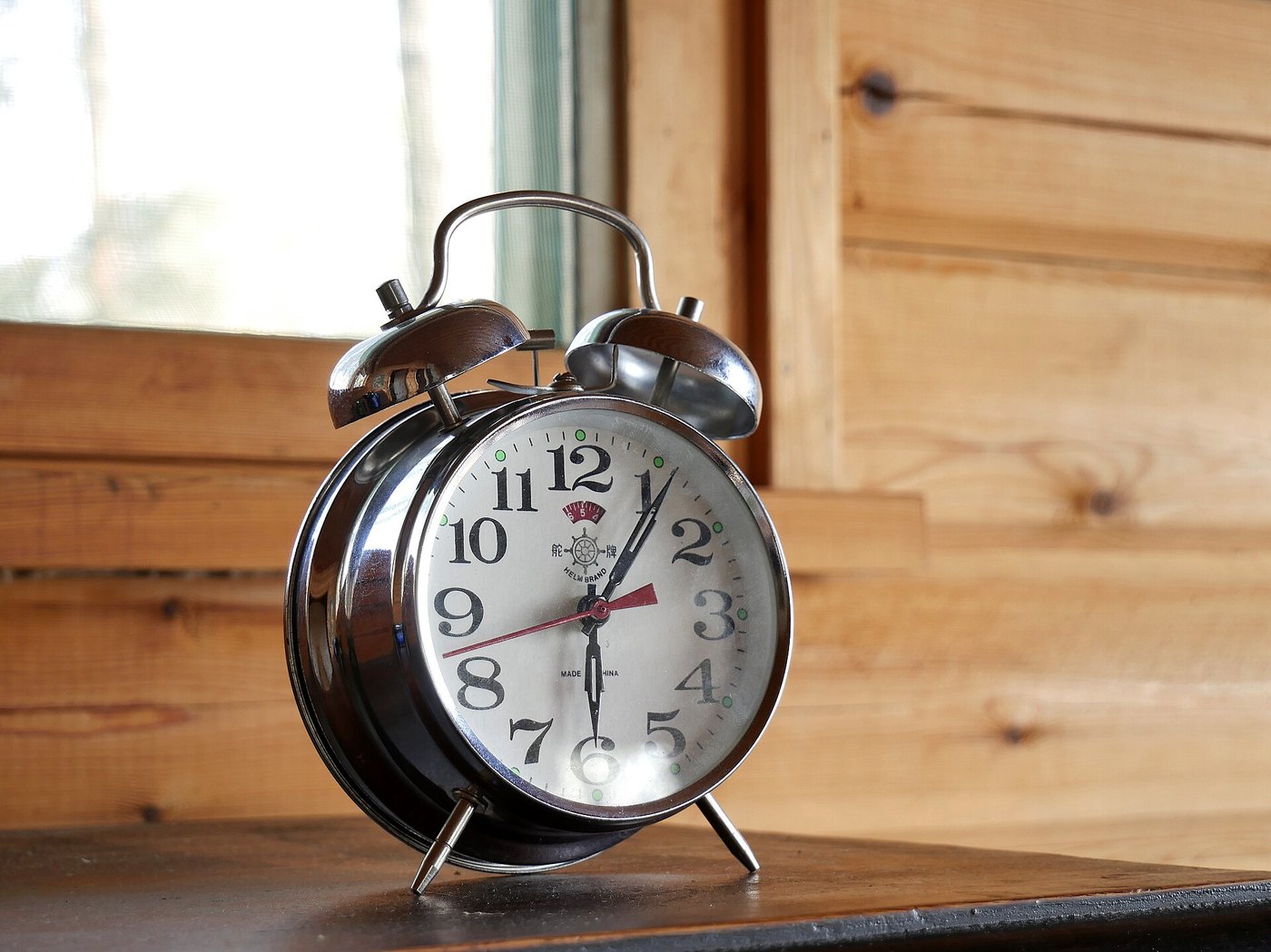
Start shifting bedtime now for Nov. 1 fall-back
Daylight saving time still ends at 2 a.m. Nov. 1 unless Congress acts this month. Sleep educators suggest easing schedules before the extra hour arrives for kids and shift workers. Permanent standard time remains the medical groups’ preferred long-term fix over permanent daylight time.
The lifestyle move is boring and effective: protect sleep before the law changes — or fails to. USA Today says clocks still fall back Nov. 1 because the Senate has not passed the Sunshine Protection Act. Syracuse.com and Sleep Education pages walk households through gradual adjustments: keep a steady seven-hour-plus sleep opportunity, shift meals and workouts slightly later in the days before, set clocks back Saturday evening, and chase morning light afterward.
AASM-aligned clinicians prefer permanent standard time for brighter winter mornings; Trump and House allies prefer permanent daylight time. That policy fight does not change this month’s homework. Teenagers, shift workers, and parents of toddlers feel the transition most. Avoid stacking late Halloween sugar with a sleep debt the same week clocks move.
Backstory: twice-yearly shifts correlate with short-term upticks in accidents and mood complaints in multiple studies cited by sleep societies. Hawaii and most of Arizona already skip the drill. Start the habit change this weekend so Nov. 1 is maintenance, not shock. Keep plans flexible when forecasts and kickoffs shift by an hour. Keep plans flexible when forecasts and kickoffs shift by an hour. Keep plans flexible when forecasts and kickoffs shift by an hour. Keep plans flexible when forecasts and kickoffs shift by an hour. Keep plans flexible when forecasts and kickoffs shift by an hour. Keep plans flexible when forecasts and kickoffs shift by an hour. Keep plans flexible when forecasts and kickoffs shift by an hour. Keep plans flexible when forecasts and kickoffs shift by an hour.
What we know:
Fall-back remains Nov. 1; sleep groups publish concrete pre-adjustment steps; permanent-system politics are unresolved.
What we don’t:
Whether any last-minute Senate deal alters the November date.
Where outlets agree USA Today and sleep-education outlets agree Nov. 1 fall-back is still on and that gradual schedule shifts help.
Where they differ Medical groups and political sponsors still disagree on permanent standard versus permanent daylight time.