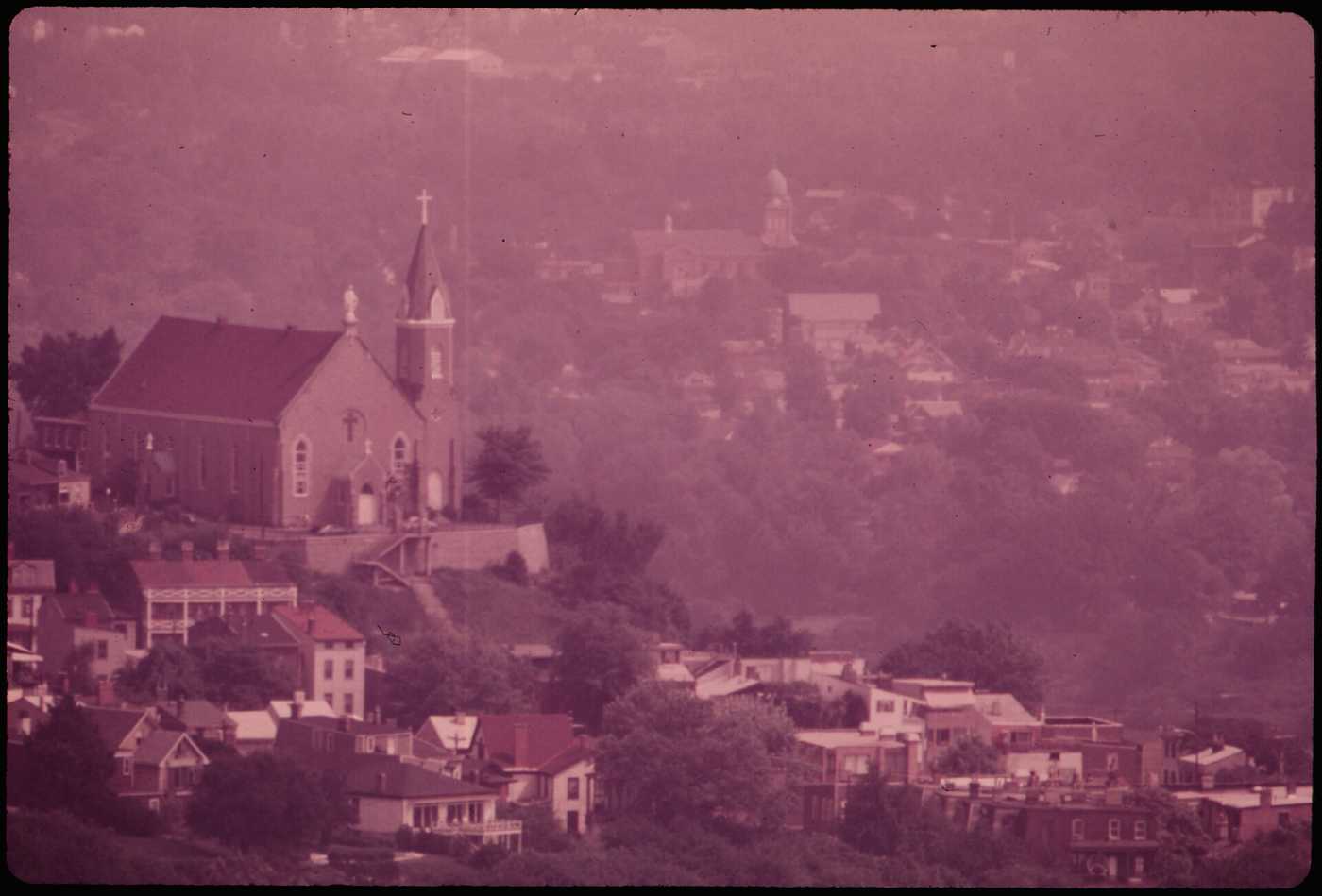
Fall smoke and heating season keep asthma patients watchful
Reno–Sparks issued an air-quality advisory from Bull Fire smoke as October opened, a reminder that wildfire haze can still spike AQI in autumn. EPA urges checking AirNow as heating season begins. People with asthma and heart disease should limit outdoor exertion on orange or red days.
Autumn does not end smoke season. ThisIsReno reported an early-October air-quality advisory for Reno–Sparks as Bull Fire smoke pushed local AQI toward unhealthy-for-sensitive-groups and possibly unhealthy ranges. EPA’s broader wildfire-smoke pages still tell households to watch AirNow’s Fire and Smoke Map and local alerts rather than trusting a clear morning sky alone — Canadian and Western fires have repeatedly sent haze across state lines in recent summers, and residual burns can linger into fall.
For people with asthma, COPD, or heart disease, the stake is practical: postpone long outdoor runs when AQI turns orange or red, keep rescue inhalers filled, and use N95s if you must be outside in smoke. Indoor heating season adds a second irritant track — dry air, dust from furnace startups, and wood smoke from recreational fires. Schools and coaches should have alternate indoor plans on advisory days.
Overnight lacks a single continental EPA emergency declaration for this Saturday, so treat local advisories as the actionable truth. Check AirNow.gov or the AirNow app for your zip code before foliage hikes and youth sports. Sensitive groups should also watch overnight temperature inversions that trap particles in valleys. Portable indoor air cleaners with true HEPA filters help when windows must stay closed during a smoke advisory. Athletes training for fall races should swap outdoor tempo runs for treadmill sessions when local AQI crosses into orange. Named outlets and primary documents remain the standard for every figure in this brief. Readers can open the source links below to verify dates and tallies.
What we know:
Local October smoke advisories are already appearing; EPA’s standing advice is to monitor AirNow and protect sensitive lungs.
What we don’t:
Whether a broader regional smoke plume will develop over the next week.
Where outlets agree Local Nevada reporting and EPA guidance agree autumn wildfire smoke can still push AQI into ranges that harm sensitive groups.
Where they differ National desks may call air quality quiet while valley communities sit under a local advisory.