Putin says Kaliningrad attack would put all weapons on agenda
Putin said Thursday in Moscow that a direct attack on Kaliningrad would put every Russian weapon on the agenda, after Russia warned NATO it could use nuclear weapons if the region were cut off. That Russian land sits between NATO members Poland and Lithuania, and the United States is in that alliance. Reuters said the territory is slightly bigger than Connecticut.
President Vladimir Putin said Thursday in Moscow that a direct attack on Kaliningrad would put every Russian weapon on the agenda at once. He told the Valdai forum the question would arise "inevitably and immediately," and he added, "This is inevitable." He named Kaliningrad first, then "perhaps other territories as well."
A Russian note that NATO said it received this week used direct nuclear language. Reuters saw the text, which said Russia would be ready to use its entire arsenal, "including nuclear weapons," if NATO tried to isolate Kaliningrad, and which warned of strikes on decision-making centers from the outset. The Associated Press reported that Putin called the warning correctly written, but that his forum answer did not specify nuclear weapons.
NATO spokesperson Allison Hart confirmed the message on Wednesday. She denounced "any irresponsible nuclear rhetoric" and said no NATO activity or exercise poses a risk to any part of Russia. Secretary General Mark Rutte called the threats "absolutely not called for and not helpful" and said a nuclear strike on the Baltic states is not a real risk, because Putin "can never win (against) NATO."
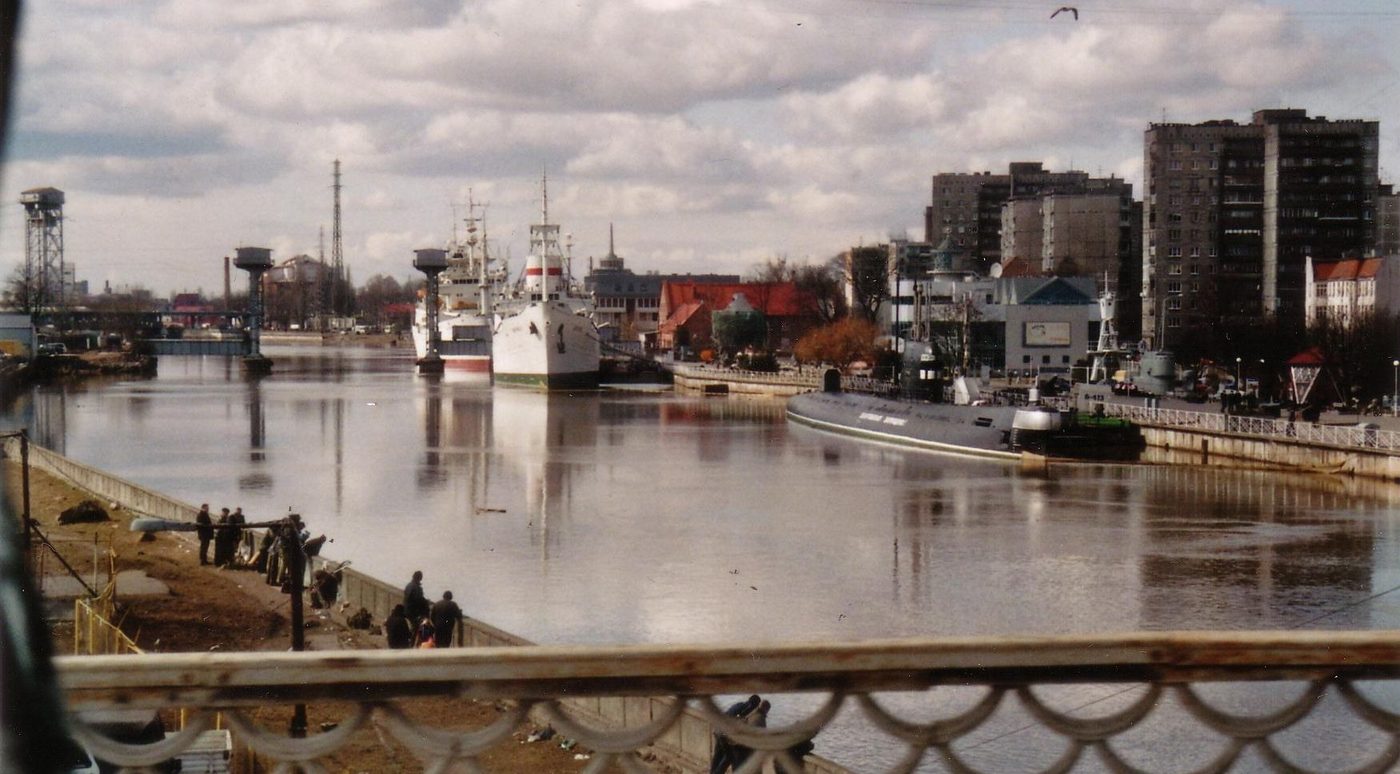
Kaliningrad is Russian land on the Baltic Sea that sits between NATO members Poland and Lithuania and does not border the rest of Russia. Reuters called it heavily militarized and slightly bigger than Connecticut. The Associated Press reported Russia's main Baltic navy base there, with nuclear-capable Iskander missiles deployed.
The Associated Press described the Suwalki Gap as an 80-kilometer stretch of the Polish-Lithuanian border between Kaliningrad and Belarus. The BBC said Western officials have long feared Russia would use that strip if it tried to seize Lithuanian territory. Lithuania's prime minister told the BBC last week that the country has evacuation plans, and thousands of NATO troops are stationed there.
Putin said Russia has no plan to attack a European country and would face "an enemy (NATO) twice our size," Reuters reported. The BBC quoted him saying Russia does not intend to attack anyone in 2029, 2030, or 2050, but will respond to aggression. Russian embassies said they had information that NATO is preparing an air and naval blockade of Kaliningrad, and NATO did not confirm that claim.
On August 18 a NATO flight over northern Poland and the Baltic included an American radar-jamming plane, the Associated Press reported. Fox News titled a Friday America Reports clip as a nuclear warning "over Ukraine weapons." Reuters, the BBC, NBC, and the New York Post tie the nuclear wording to isolating or attacking Kaliningrad.
Reuters quoted Maria Zakharova saying that if Europe attacks Russia, "it will be a completely different sort of war." Former diplomat Nikolai Sokov told Reuters he sees a risk of mutual miscalculation.
Where outlets agree Reuters, the BBC, and the Associated Press (NBC and the New York Post) agree on the core facts. On Thursday, Oct. 1, Putin told the Valdai forum in Moscow that a direct attack on Kaliningrad would put all Russian weapons on the agenda. Russia sent NATO a written warning that trying to isolate Kaliningrad could bring a nuclear response. Mark Rutte called the alliance defensive and the nuclear talk unhelpful. Kaliningrad lies between Poland and Lithuania.
Where they differ The Associated Press and the New York Post say Putin did not specify nuclear weapons in the forum answer. Reuters and the BBC describe that Kaliningrad warning as including nuclear weapons. The note Reuters saw says "including nuclear weapons." Fox News titled an America Reports clip "Putin issues nuclear warning to NATO over Ukraine weapons" and said Jennifer Griffin reported on long-range weapons in Ukraine. The wire stories center on isolating or attacking Kaliningrad. SBS dated the Valdai remarks Friday. Reuters' dateline is Thursday, Oct. 1. Rutte's line is "absolutely not called for and not helpful" in Reuters and the AP, and "totally unwarranted and unhelpful" in The Vibes. Tom Rogan wrote in the Washington Examiner that no blockade is being considered and that the speech is meant to cut aid to Ukraine. An unnamed European defense official told Reuters the threat was serious and the first of its kind since the Cold War. Rutte said he does not take a nuclear risk to the Baltics seriously.