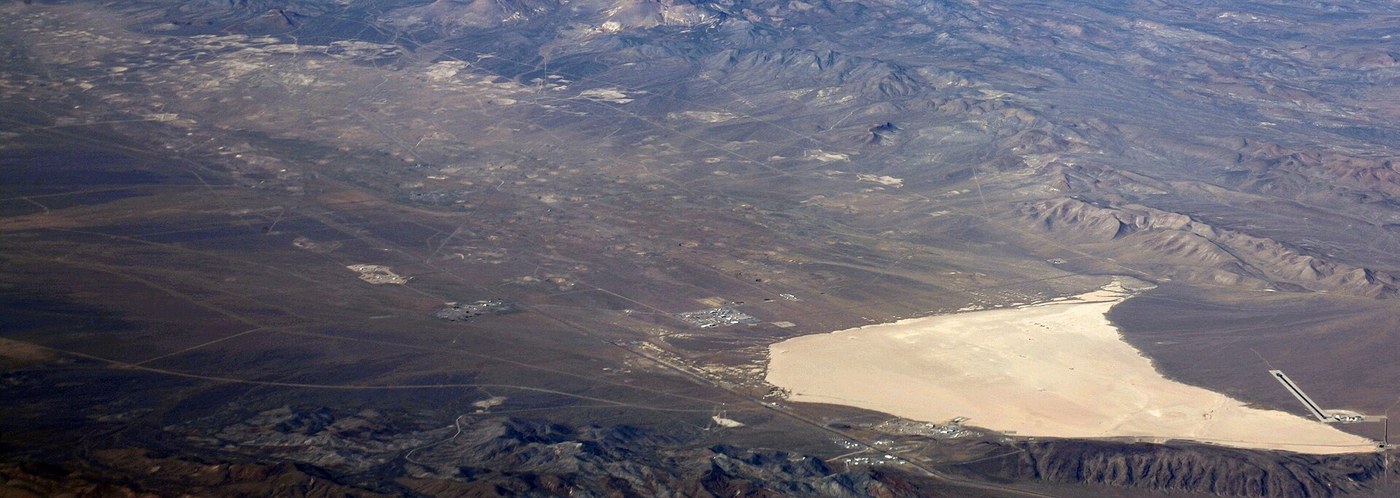
NNSA runs Nevada chemical blast to sharpen nuclear-detection tools
U.S. nuclear-security scientists staged a non-nuclear chemical explosion in Nevada. The test aims to better spot low-yield foreign blasts that can hide from seismic gear. DOE/NNSA, Straits Times, and India Today agree the Nevada event was a chemical high-explosive detection
The National Nuclear Security Administration said it conducted a subsurface chemical high-explosive experiment at the Nevada National Security Site’s P Tunnel in Area 12 to improve detection of low-yield, “decoupled” nuclear explosions, the Department of Energy, The Straits Times, and India Today reported around September 30–October 1. The shot used chemical explosives and radiotracers — not a nuclear detonation — to validate models and refine algorithms that watch for foreign tests designed to evade seismic monitoring.
Backstory: the United States maintains a testing moratorium on nuclear explosions while investing in science-based stockpile stewardship and verification science. Decoupled blasts staged inside cavities can weaken the seismic signal that global networks rely on; experiments like this generate ground-truth data for sensors, national labs, and treaty-monitoring partners. Separate political talk about resuming U.S. nuclear-weapons testing is a different story — do not conflate this NNSA detection experiment with a return to nuclear test shots at the Nevada site.
Why it matters Thursday: arms-control and Iran-war desks are already primed for nuclear signaling; a clearly labeled non-nuclear detection test can still move markets and diplomacy if it is misread as a weapons test. Watch DOE/NNSA technical notes, any CTBTO or State Department commentary, and whether political actors mischaracterize the experiment on cable and social media. Primary document: the energy.gov NNSA release. Engage: energy.gov/nnsa for the official description and any follow-on data papers.
As of Thursday, October 1, the public record on “NNSA runs Nevada chemical blast to sharpen nuclear-detection tools” still matches the facts above. Thursday’s lead coverage keeps the densest national and global wires in one place for morning readers. Reporting from U.S. Department of Energy, The Straits Times, India Today anchors the Sources list; this card does not invent tallies, quotes, or outcomes beyond what those links support.
Where outlets agree DOE/NNSA, Straits Times, and India Today agree the Nevada event was a chemical high-explosive detection experiment, not a nuclear weapons test.
Where they differ Some political commentary may blur detection experiments with resumed nuclear testing; the NNSA release draws a hard line that this shot was non-nuclear.