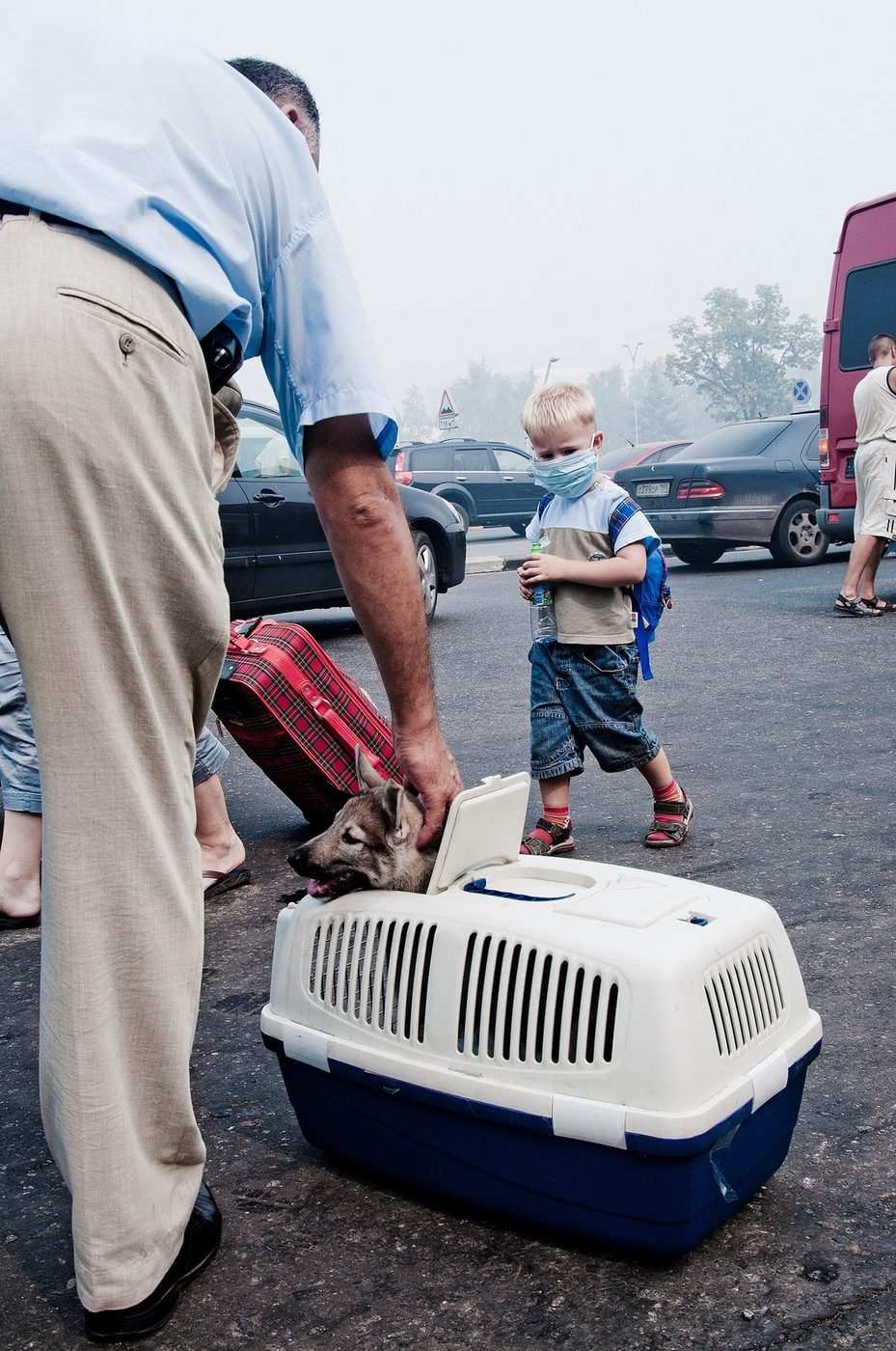
Autumn air quality still a heart and lung risk factor
Smoke, ozone, and cold-air inversions affect asthma patients. Phone alerts remain underused. Readers can follow the linked Sources for the latest confirmed detail on Thursday. AirNow and CDC agree poor air quality raises risks for heart and lung patients.
Autumn air-quality swings remain a Health desk habit story Thursday for asthma and cardiac patients. Wildfire smoke residuals and urban ozone still trigger ER visits; inversions trap particles on cool mornings.
Backstory: AirNow alerts only help if people act. Watch AirNow.gov. Agree poor air hurts lungs; differ on outdoor sports cancellations thresholds.
As of Thursday, October 1, the public record on “Autumn air quality still a heart and lung risk factor” still matches the facts above. Health coverage stays practical: what agencies advise, what patients can do, and where doctors still disagree. Reporting from AirNow, CDC anchors the Sources list; this card does not invent tallies, quotes, or outcomes beyond what those links support.
For a reader new to the thread: Smoke, ozone, and cold-air inversions affect asthma patients. Phone alerts remain underused. Readers can follow the linked Sources for the latest confirmed detail on Thursday. A short history beat matters here — prior seasons, rulings, product cycles, or diplomatic rounds set up today’s stakes — so the same-day news sits in context without filler. When the story is still moving, the copy states what is locked and what remains unsettled.
Where coverage lines up, AirNow and CDC agree poor air quality raises risks for heart and lung patients. Where accounts still diverge, Schools disagree when to cancel outdoor PE. Putting the shared facts and the plain-language split side by side lets readers judge the next development for themselves.
CDC, FDA, and clinician society pages remain the practical places for shot clinics, shortages, and seasonal risk. If a timed hearing, print, game, or court deadline is attached, later updates should wait for confirmation from at least two independent outlets before treating an outcome as final. Until then, treat this wording as the careful Thursday morning baseline, not a prediction.
Where outlets agree AirNow and CDC agree poor air quality raises risks for heart and lung patients.
Where they differ Schools disagree when to cancel outdoor PE.