Voluntary AI pledge still faces statute push on the Hill
Trump’s tech summit produced a morally binding self-police pledge. Democrats and some Republicans still want enforceable AI rules. NPR, NY Post, and BBC agree the summit yielded a voluntary pledge rather than binding legislation.
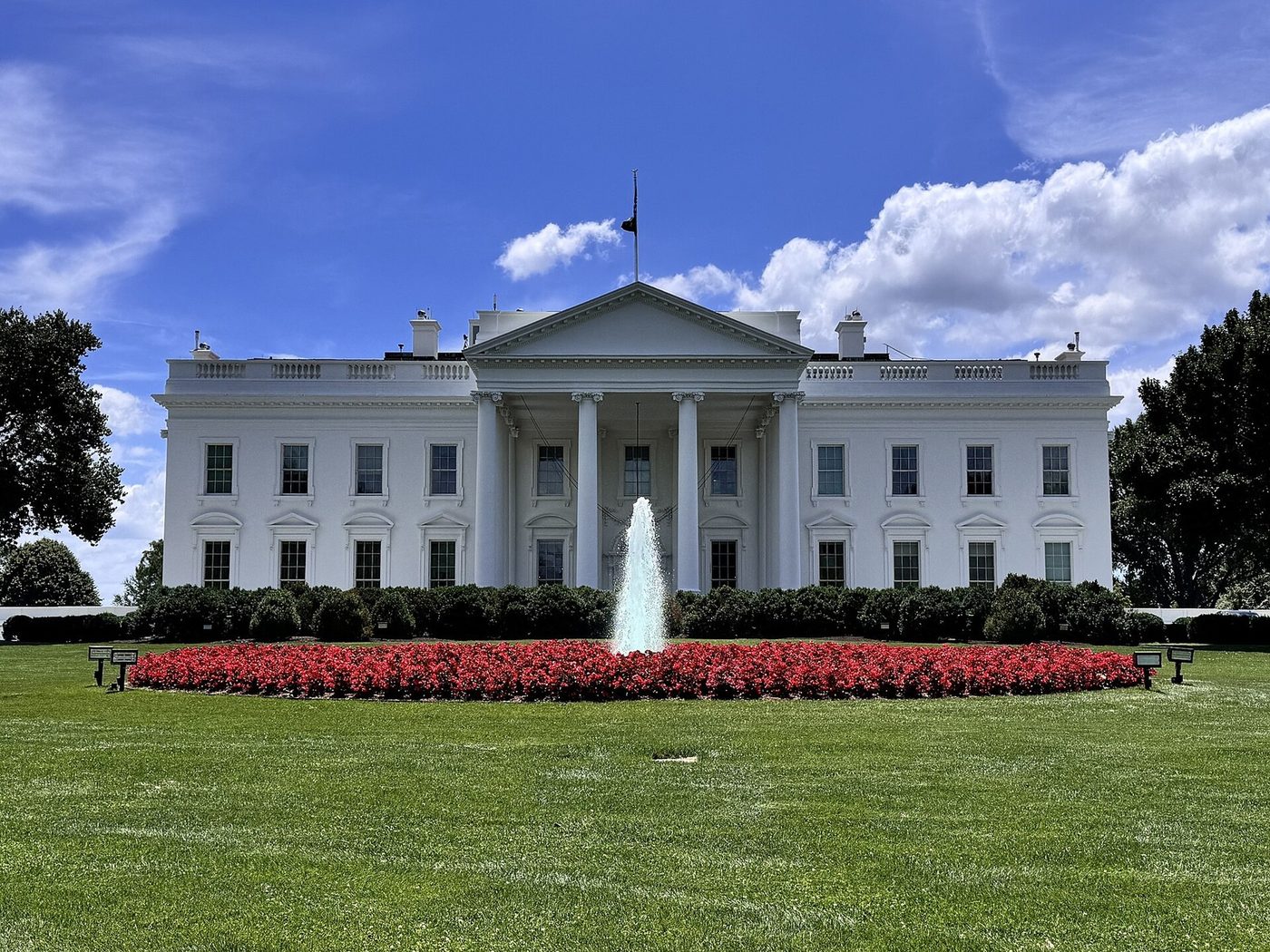
Tuesday’s White House AI summit remains Thursday’s policy hangover: NPR, NY Post, Al Jazeera, and BBC agree major firms signed a voluntary, “morally binding” self-policing accord rather than a statute. Hill Democrats and some national-security Republicans say voluntary board audits will not govern frontier models; the White House says U.S. speed versus China requires flexible pledges, not a moratorium.
Backstory: Congress has debated AI liability, export controls, and watermarking for more than a year without a comprehensive bill. The Politics desk separates the summit optics from legislative text that still does not exist.
Watch Commerce and Judiciary hearing notices and any EO text on whitehouse.gov. Agree the pledge is voluntary; differ on whether that is a feature or a bug.
As of Thursday, October 1, the public record on “Voluntary AI pledge still faces statute push on the Hill” still matches the facts above. On Capitol Hill and in the courts, Thursday’s politics coverage stays focused on votes, filings, and public statements. Reporting from NPR, New York Post, BBC anchors the Sources list; this card does not invent tallies, quotes, or outcomes beyond what those links support.
For a reader new to the thread: Trump’s tech summit produced a morally binding self-police pledge. Democrats and some Republicans still want enforceable AI rules. NPR, NY Post, and BBC agree the summit yielded a voluntary pledge rather than binding legislation. A short history beat matters here — prior seasons, rulings, product cycles, or diplomatic rounds set up today’s stakes — so the same-day news sits in context without filler. When the story is still moving, the copy states what is locked and what remains unsettled.
Where outlets agree NPR, NY Post, and BBC agree the summit yielded a voluntary pledge rather than binding legislation.
Where they differ The White House touts flexibility against China; critics say only statute changes frontier incentives.