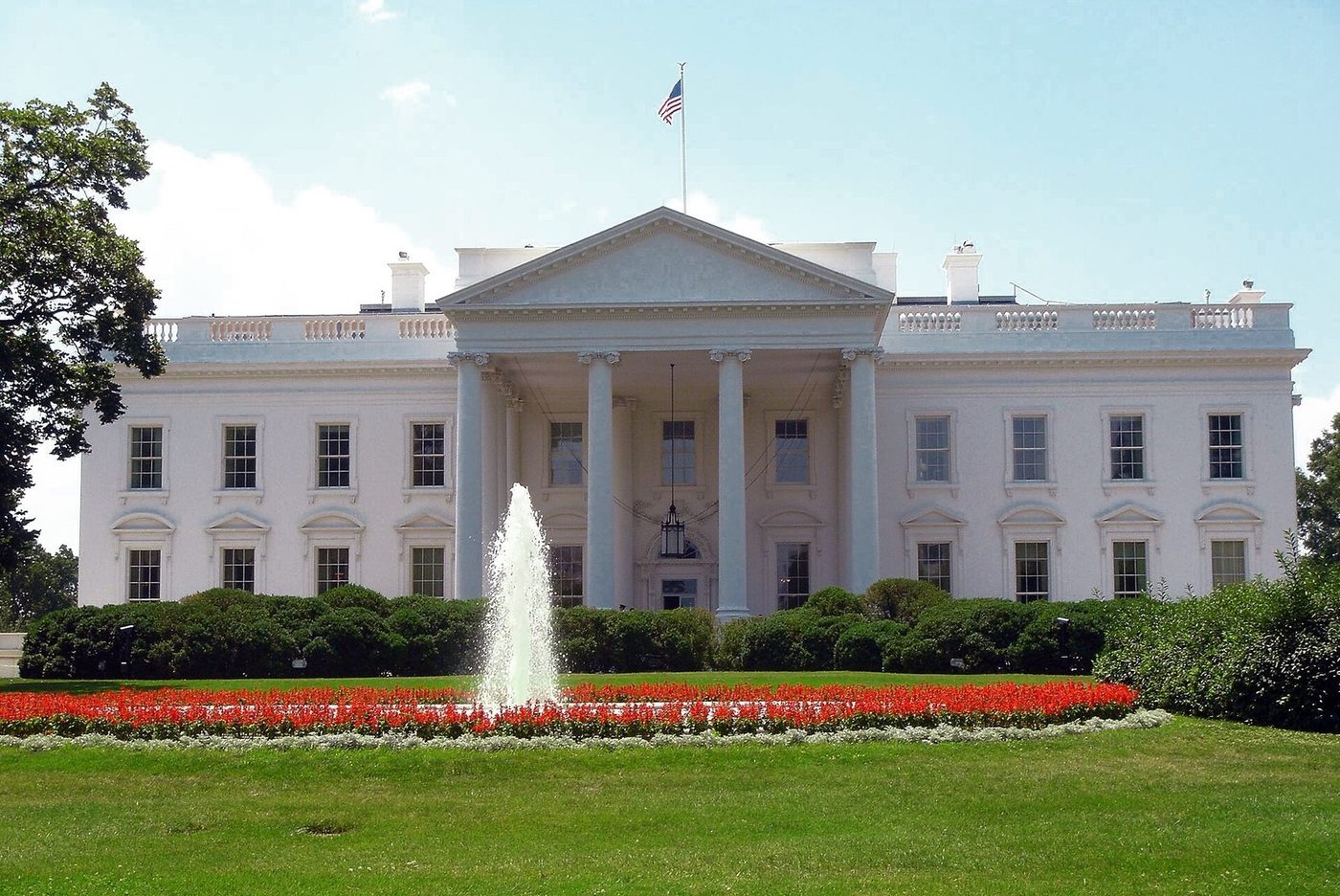
Trump’s AI summit yields voluntary ‘self-police’ pledge from tech chiefs
After the White House AI session on Tuesday, Trump said major tech firms signed a morally binding accord to police themselves. Critics say voluntary pledges are not a substitute for binding law.
President Donald Trump’s Tuesday White House gathering with artificial-intelligence executives produced a voluntary, “morally binding” accord in which leading firms pledged internal controls, independent audits, and board oversight rather than a new binding statute, according to NPR, Al Jazeera, BBC, and a New York Post text of the pledge. Attendees across earlier Axios and CNBC seating reports included leaders from Meta, Nvidia, Google, OpenAI, Anthropic, xAI, Microsoft, Amazon, and Palantir. Speaker Mike Johnson joined the broader innovation-versus-China framing.
Trump afterward urged “tremendous” self-regulation with the Justice Department and FBI as backstops, rejected a development moratorium, and continued rebranding government AI language toward “Super Intelligence,” a line NPR and BBC flagged in post-summit takeaways. Safety-minded executives had pressed harder guardrails in the run-up; chip and platform leaders warned heavy rules could cede ground to Beijing. The accord’s public text emphasizes voluntary commitments — not appropriations, liability rules, or export-control changes.
Markets treat the session as a policy-signal event inside a heavy macro week that still includes Wednesday’s PCE print and Friday’s payrolls. Separately, Trump unveiled an AI-powered America.gov services portal the same day, per the New York Post. Watch whether any executive-order text posts to whitehouse.gov, whether Congress schedules follow-on hearings, and how European and Chinese desks contrast U.S. voluntaryism with statutory AI regimes abroad. Overnight treats the lunch-and-pledge as Tuesday’s terminal outcome. For history, Washington has toggled between voluntary industry codes and statutory pushes since the first chatbots scaled — Tuesday’s pledge sits firmly in the voluntary camp. Readers can compare the posted NY Post text of the accord with any later whitehouse.gov action page before treating rename talk as an enacted executive order.
Where outlets agree NPR, NY Post, Al Jazeera, and BBC agree Tuesday’s summit produced a voluntary self-policing pledge rather than a binding AI statute.
Where they differ The White House casts voluntary board-level controls as enough to win the China race; safety advocates and some Democrats say only enforceable rules change frontier risk.