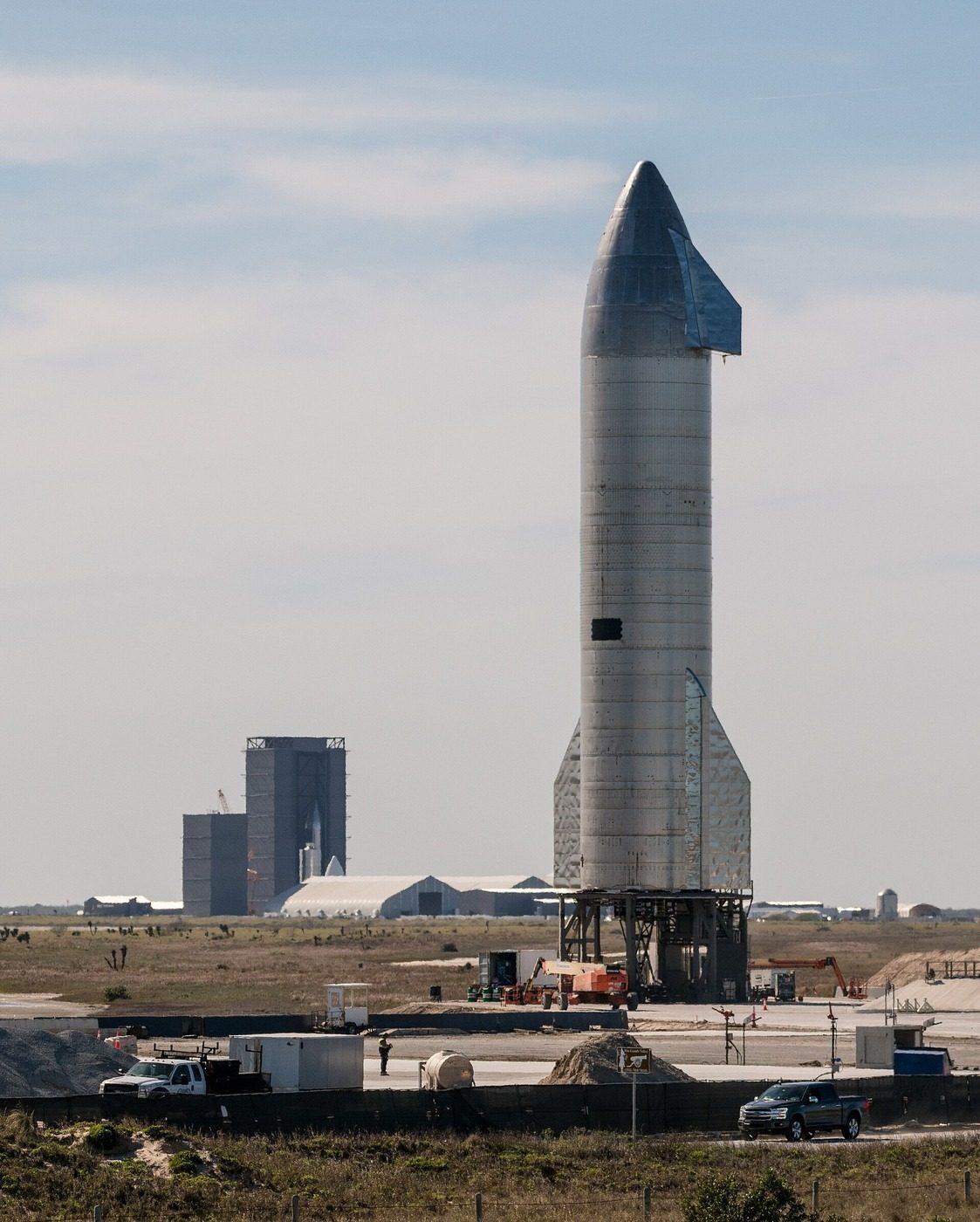
Starship Flight 14 data still feeding rapid-reuse science
Starship Flight 14’s orbital data still feeds rapid-reuse engineering work. Controllers will study the early Pacific splashdown choice for weeks.
Starship Flight 14’s first orbital success and Starlink V3 deploy still feed rapid-reuse engineering work on the science desk after Monday’s mission. Controllers will study the early Pacific splashdown choice, engine telemetry, and door operations for weeks before the next NET hardens.
NASA Artemis lander milestones further out still depend on a reliable Starship cadence. Prior flights were intentionally suborbital; Flight 14 changed the program’s evidence base. Rewatch SpaceX webcast archives and technical explainers from Ars and Space.com-track desks.
Science desks separate confirmed telemetry, court filings, and forecast products from viral claims that invent launch dates or climate verdicts overnight.
Where to watch or read next: agency forecast pages, supremecourt.gov audio when relevant, and company or NASA primary updates.
Science and specialty desks agree the named orbital, climate, and forecast stories remain active.
Companies and advocates often overclaim timelines; agencies and courts move on their own clocks.
Starship Flight 14’s orbital data still feeds rapid-reuse engineering work. Controllers will study the early Pacific splashdown choice for weeks.
Coverage cited on this card includes NPR AI, Arab News oil, Examiner, Kyiv Post.
Readers following “Starship Flight 14 data still feeding rapid-reuse science” should weigh the points of agreement above against the divergences noted in companion coverage, and refresh from primary documents when new multi-outlet confirmations post Wednesday.
On the facts outlets already share: Science and specialty desks agree the named orbital, climate, and forecast stories remain active.
Where coverage still diverges: Companies and advocates often overclaim timelines; agencies and courts move on their own clocks.
Where outlets agree Science and specialty desks agree the named orbital, climate, and forecast stories remain active.
Where they differ Companies and advocates often overclaim timelines; agencies and courts move on their own clocks.