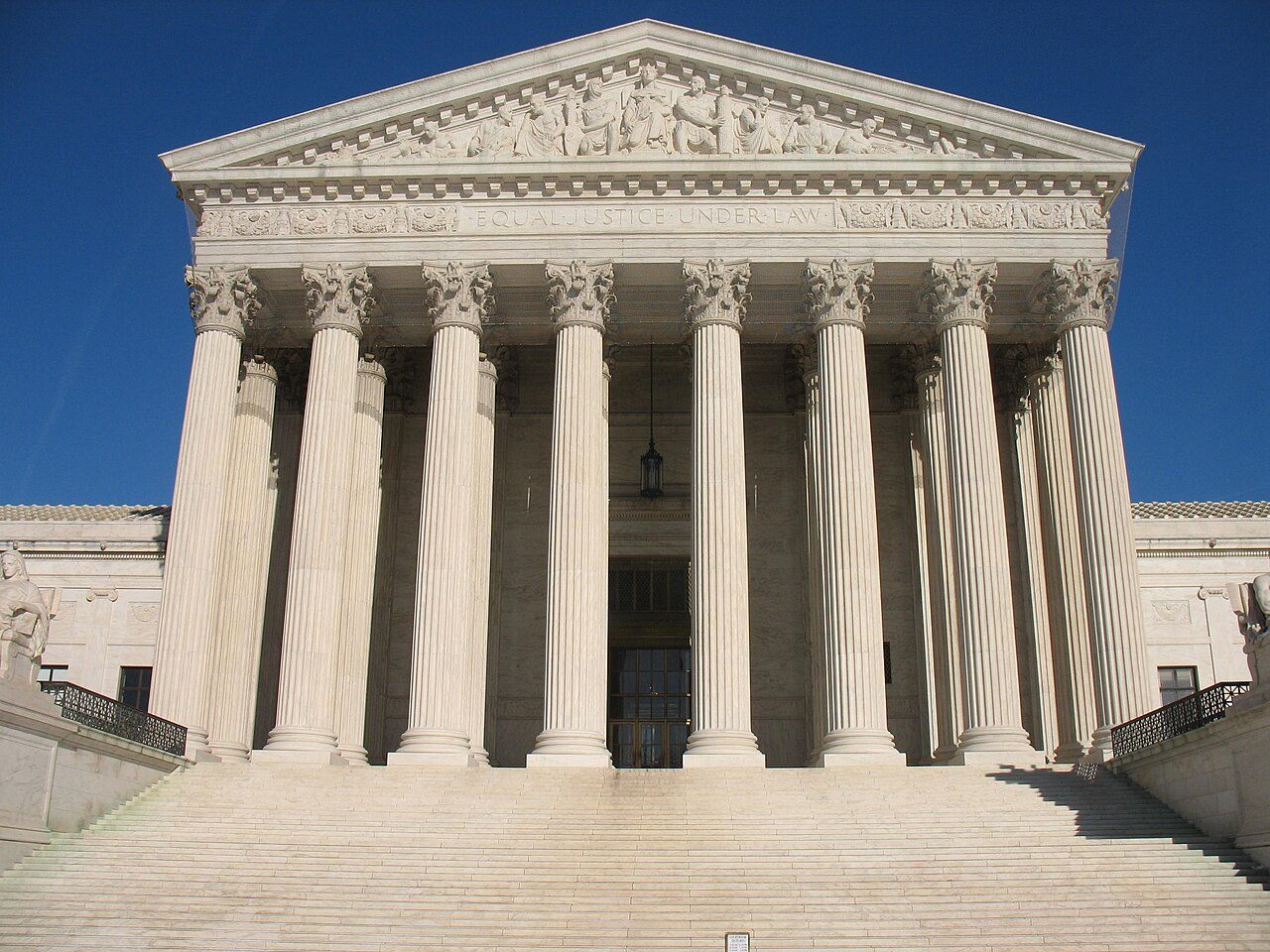
Third-country removal stay shifts leverage to December merits
The Supreme Court’s emergency stay lifts immediate limits on third-country removals. Immigrant advocates and DHS now turn to briefing for a December argument calendar.
Tuesday’s Supreme Court stay in Department of Homeland Security v. D.V.D. immediately changes enforcement leverage by pausing lower-court notice requirements that had cabined third-country removals, according to the public docket and afternoon wire confirmations. Justices Sotomayor, Kagan, and Jackson would have denied the stay. The Court converted the emergency fight into a granted certiorari case set for December argument.
Immigrant advocates warn that people may board flights without a meaningful chance to raise persecution or torture fears about a country not named in the original removal order. DHS and the solicitor general say diplomacy and removal logistics were frozen by the Massachusetts judgment left largely intact by the First Circuit. Both frames will fill merits briefs through the fall.
Emergency-docket stays often preview coalitions without locking them. Prior immigration stays under this Court have sometimes narrowed at the merits stage and sometimes expanded. Practitioners should track the new merits docket number as it appears on the public board and avoid mixing this caption with unrelated National Guard litigation.
Watch amicus deadlines, any administrative stay modifications, and whether Congress tries to legislate notice rules before December. Oral-argument audio will post on the argument day at supremecourt.gov for public listening. The docket and SCOTUSblog agree the stay was granted and December argument is set.
The three liberal justices would have denied the stay; how far the December majority rewrites notice rules remains open.
The Supreme Court’s emergency stay lifts immediate limits on third-country removals. Immigrant advocates and DHS now turn to briefing for a December argument calendar.
Where outlets agree The docket and SCOTUSblog agree the stay was granted and December argument is set.
Where they differ The three liberal justices would have denied the stay; how far the December majority rewrites notice rules remains open.