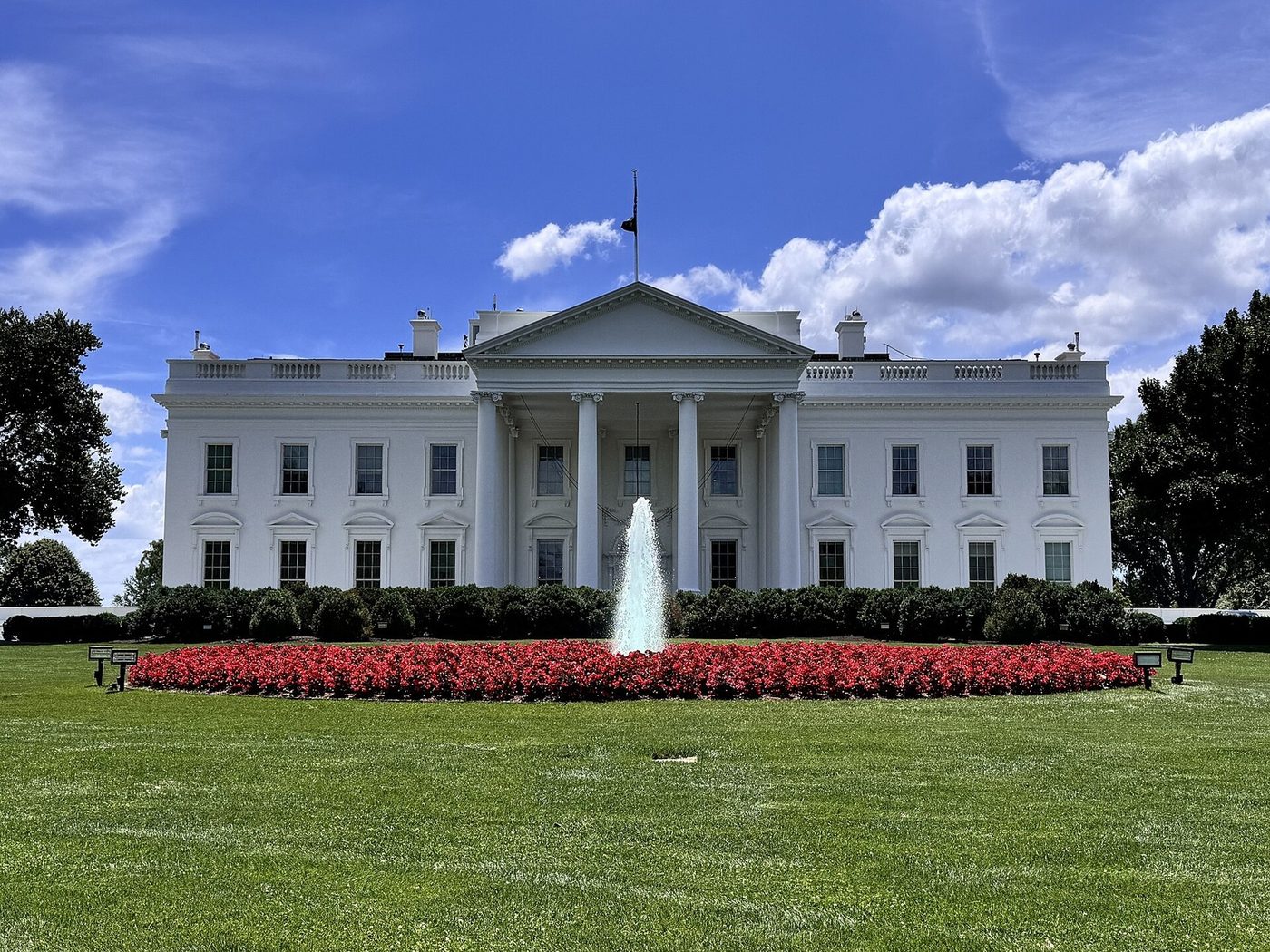
White House bets on voluntary AI pledge over new statute
Trump’s Tuesday AI summit produced a voluntary self-policing accord with major tech firms. Speaker Johnson warns against a China-losing moratorium while safety advocates want enforceable rules.
The White House is betting that a voluntary, morally binding AI accord signed after Tuesday’s East Room session can substitute for a new statute in the near term, NPR, BBC, Al Jazeera, and the New York Post reported. Speaker Mike Johnson’s pre-meeting message stressed beating China without a development moratorium. Safety-focused executives had pressed harder guardrails in private dinners and public letters ahead of the lunch.
Voluntary codes are familiar Washington technology policy — useful for messaging, weaker for liability. Export controls, chip subsidies, and Justice Department or FBI enforcement remain the sharper tools already on the books. The accord’s public text emphasizes audits and board oversight rather than appropriations riders or new civil penalties.
Congress still has competing AI bills in committee drawers from earlier sessions. Tuesday’s pledge may slow statutory urgency on some calendars or, conversely, give Democrats a foil for arguing that industry wrote its own homework while frontier models scale.
Watch whether an executive order posts to whitehouse.gov, whether hearings get scheduled in either chamber, and how European AI Act desks contrast U.S. voluntaryism with statutory regimes abroad. Markets will also parse any China-race lines against Wednesday’s PCE inflation print. NPR, NY Post, BBC, and Al Jazeera agree the summit produced a voluntary pledge rather than a binding statute.
The White House and Johnson stress China competition; safety advocates say only enforceable rules change frontier risk.
Trump’s Tuesday AI summit produced a voluntary self-policing accord with major tech firms. Speaker Johnson warns against a China-losing moratorium while safety advocates want enforceable rules.
Where outlets agree NPR, NY Post, BBC, and Al Jazeera agree the summit produced a voluntary pledge rather than a binding statute.
Where they differ The White House and Johnson stress China competition; safety advocates say only enforceable rules change frontier risk.