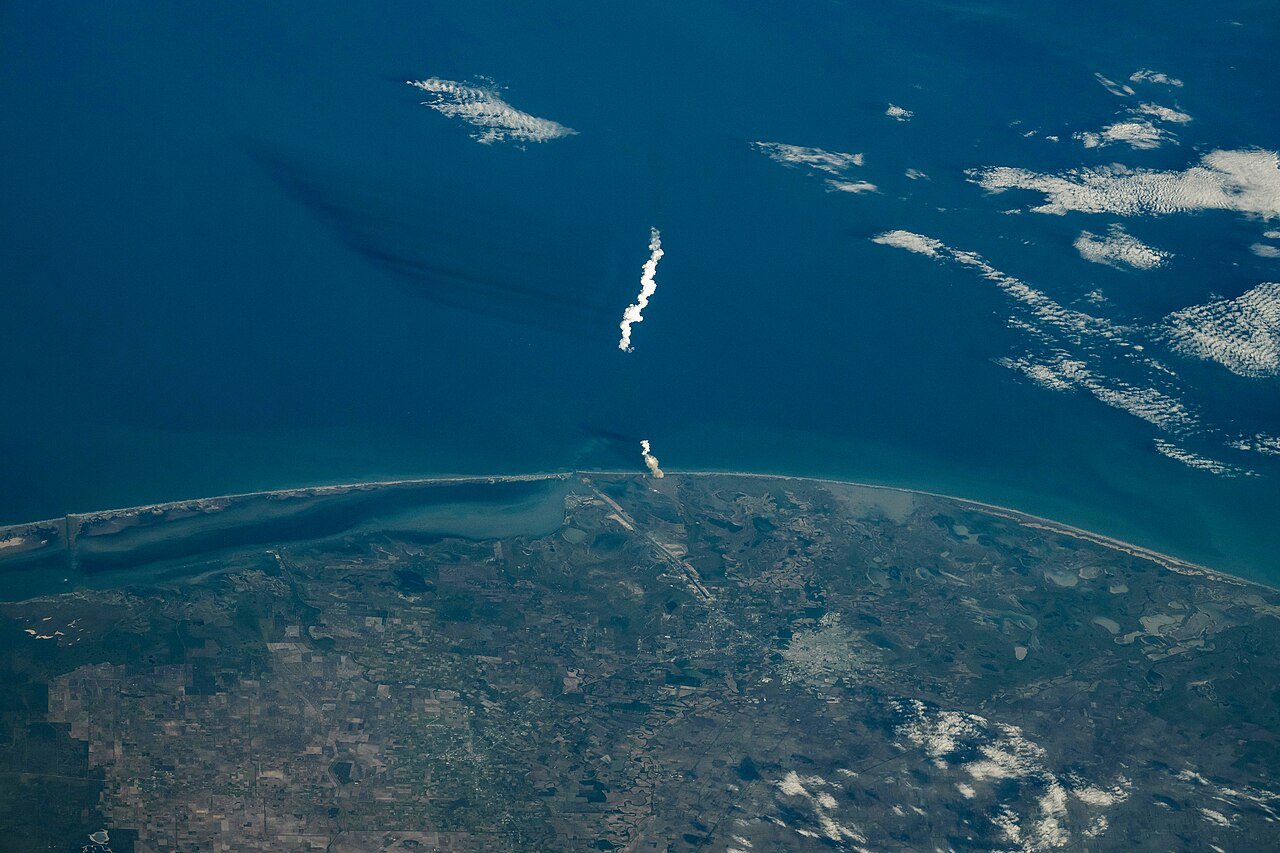
Starship Flight 14: orbital profile and early splashdown
Flight 14 reached orbit, deployed Starlink V3, then deorbited early. Scientists and engineers will mine telemetry for weeks.
Starship Flight 14’s first orbital mission gives engineers a new telemetry treasure: insertion burns, payload-deploy dynamics, and an early controlled Pacific splashdown north of Hawaii after roughly three hours. Ars Technica and Space.com describe a flight that met the headline goals even without the full multi-orbit plan.
Suborbital tests taught heat-shield and flap lessons; orbital flight adds vacuum coast, deploy mechanisms, and deorbit targeting. Those data feed both Starlink V3 operations and later crewed architectures.
Public viewers can still rewatch the webcast archives on SpaceX channels. Specialty science desk marks Monday as the day Starship stopped being suborbital-only.
Outlets agree Flight 14’s orbital success and the CAFE emissions debate are the week’s twin physical-science leads.
Space coverage is largely celebratory on milestones; climate coverage splits on the CAFE rule’s emissions math.
Named reporting on this item includes Ars Technica, Space.com, and Associated Press. Prefer those links and primary documents over undated social clips when details shift.
Flight 14 reached orbit, deployed Starlink V3, then deorbited early. Scientists and engineers will mine telemetry for weeks.
Forecast and climate-policy cards update when agencies publish new numbers; treat long-range outlook language as provisional until the next official product.
Cross-check any sudden claim against the 3 outlets already attached (Ars Technica, Space.com, Associated Press) before resharing it.
Details on this Science & Climate item can still move during Tuesday dayparts; prefer the linked outlets when a number or meeting time changes.
If a midday update revises a figure, match it across at least two independent outlets before treating a single post as settled.
Where outlets agree Outlets agree Flight 14’s orbital success and the CAFE emissions debate are the week’s twin physical-science leads.
Where they differ Space coverage is largely celebratory on milestones; climate coverage splits on the CAFE rule’s emissions math.