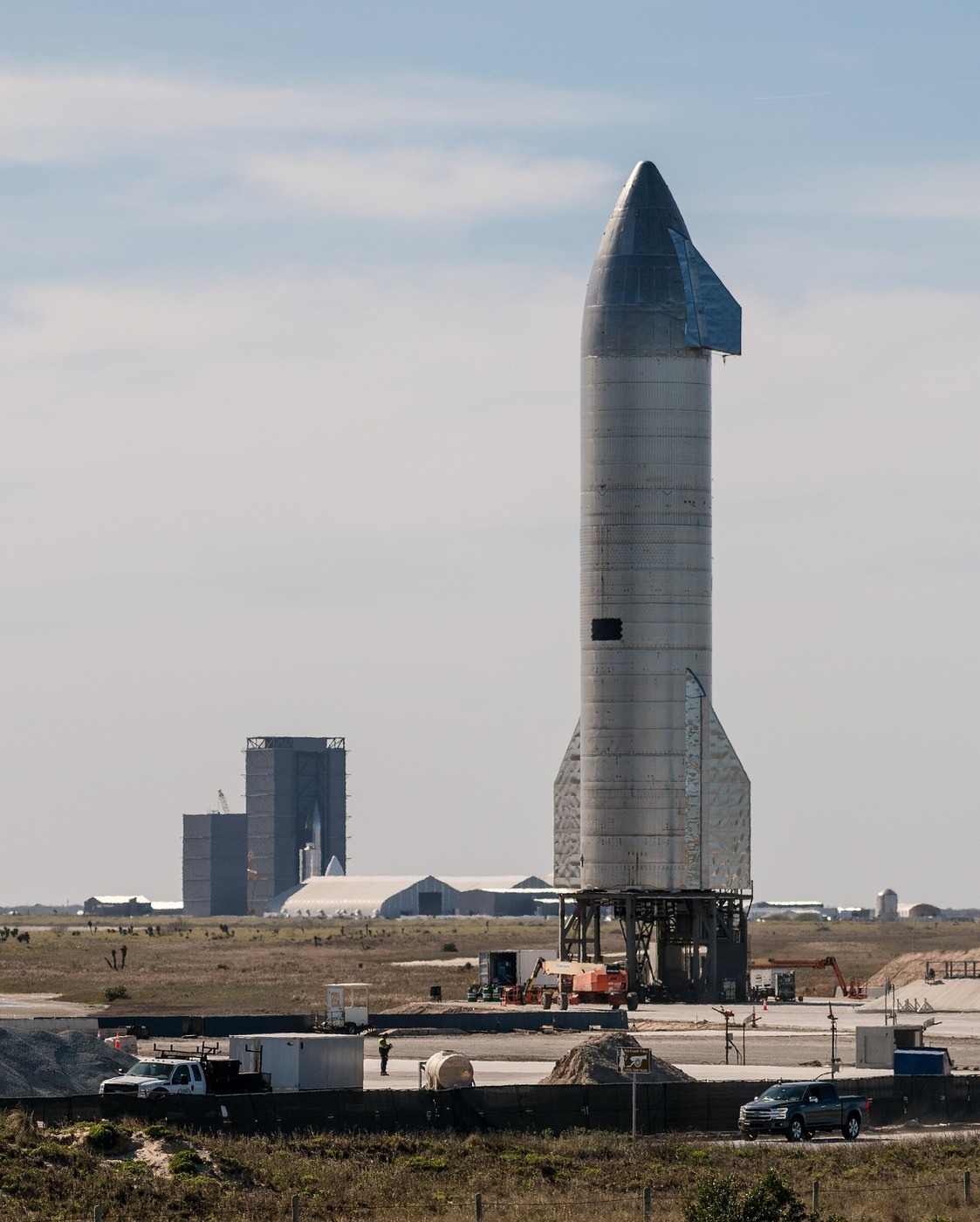
Starship Flight 14 reaches orbit, deploys 26 Starlink V3 sats
SpaceX’s Starship completed its first orbital flight Monday. Controllers deployed 26 Starlink V3 satellites, then brought the Ship down early in the Pacific north of Hawaii.
SpaceX’s Starship Flight 14 reached Earth orbit on Monday for the first time, deployed a full stack of 26 operational Starlink V3 satellites, and ended with an early Pacific splashdown north of Hawaii about three hours after liftoff. Ars Technica, Space.com, and ABC News described the mission as the program’s key milestone after a run of intentionally suborbital tests: the upper stage inserted, opened a Pez-style door, and lofted the next-generation Starlink birds SpaceX has tied to much higher per-satellite capacity.
Liftoff from Starbase Pad 2 came in the Monday morning window after prior scrub risk talk around weather and range. Controllers worked through an engine-related pause on ascent before clearing an orbital insertion burn, according to mission coverage. The Super Heavy booster was not planned for a tower catch; soft water recovery in the Gulf remained the booster profile. On the Ship side, flight controllers chose not to fly the full ~10-hour, six-orbit plan and deorbited early as a precaution. As on prior water landings, the vehicle tipped and broke up in the waves — expected for an unpowered splashdown, not a soft catch.
Why it matters: Flight 14 was the first operational V3 deploy attempt and a gate on SpaceX’s path toward rapid reuse and NASA Artemis lunar lander milestones later in the decade. SpaceX has said each V3 satellite adds on the order of 1 Tbps of constellation capacity in company framing — roughly an order of magnitude beyond earlier Falcon 9 V2 mini loads. Replay and technical breakdowns remain on SpaceX’s webcast archive, spacex.com, and @SpaceX on X; Space.com and Ars have timeline explainers. Tuesday’s desk treats the mission as a terminal Monday outcome — not a scrub preview.
Where outlets agree Ars, Space.com, and ABC agree Flight 14 reached orbit, deployed 26 Starlink V3 satellites, and splashed down early in the Pacific.
Where they differ How quickly SpaceX turns the data into a rapid-reuse cadence — and the next flight date — remains a company schedule call, not a published firm NET in overnight wires.