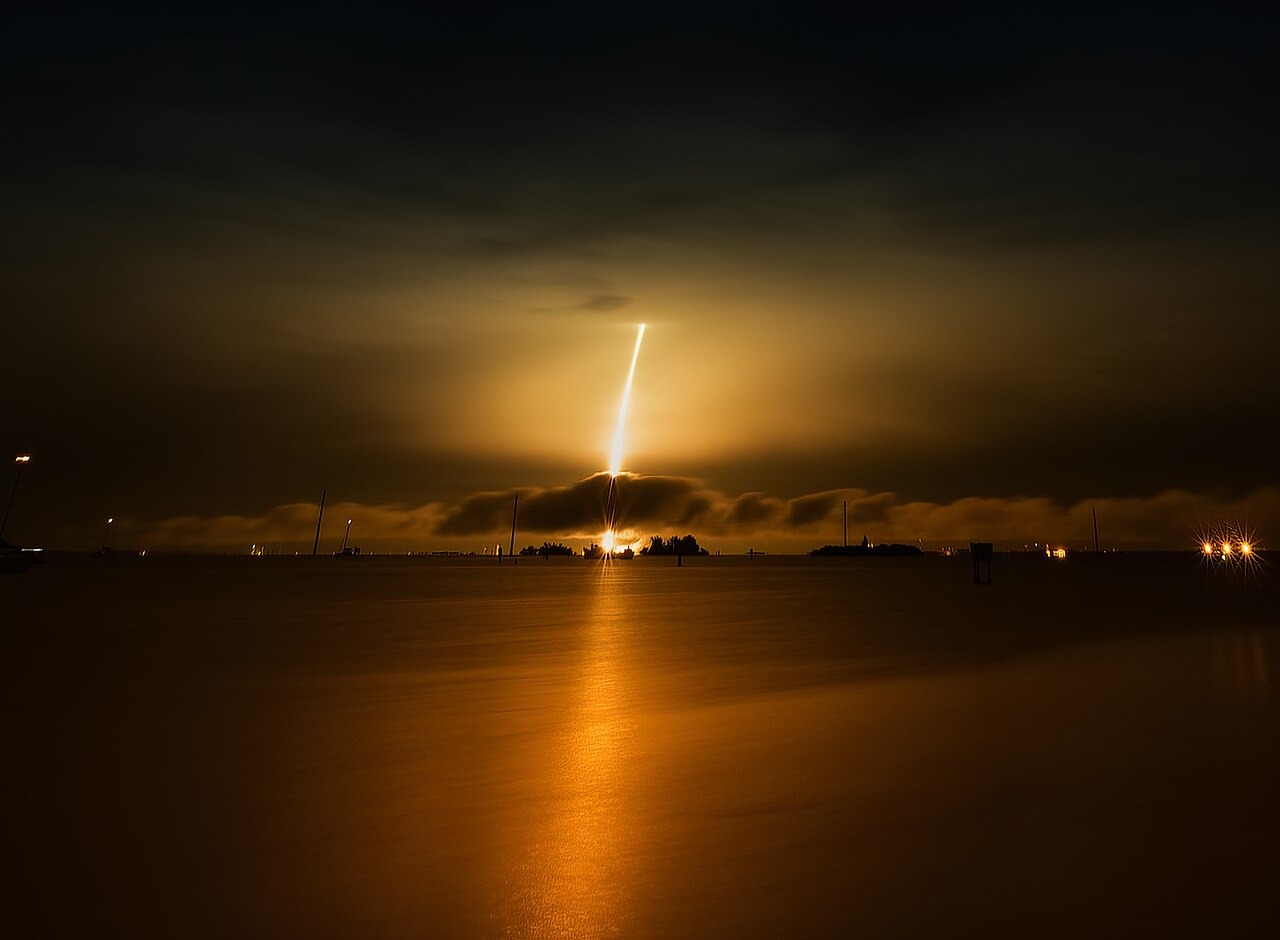
Starlink V3 reaches orbit on Starship Flight 14
SpaceX deployed 26 operational Starlink V3 satellites on Starship’s first orbital flight. Capacity claims now meet on-orbit reality.
SpaceX’s Starship Flight 14 lofted 26 operational Starlink V3 satellites on Monday — the constellation’s next-generation birds riding the first Starship orbital mission, per Ars Technica and Space.com. Company framing has put each V3 near 1 Tbps of capacity, roughly an order of magnitude beyond earlier Falcon 9 V2 mini loads.
On-orbit checkout will decide whether those numbers show up for users. Early deorbit of the Ship after about three hours ended the test early but did not reverse the deploy milestone. Falcon 9 remains the workhorse launcher; Starship is the capacity bet.
Tech and telecom desks will watch FCC filings, beam-pattern tests, and any user-speed claims in coming weeks. Replay remains on SpaceX’s webcast channels.
Ars and Space.com agree Flight 14 deployed 26 Starlink V3 satellites on Starship’s first orbital flight.
Capacity marketing will be tested by real user throughput over the next deployment waves.
Named reporting on this item includes Ars Technica, Space.com, and FinancialMarkets.com. Prefer those links and primary documents over undated social clips when details shift.
SpaceX deployed 26 operational Starlink V3 satellites on Starship’s first orbital flight. Capacity claims now meet on-orbit reality.
Product and policy claims in tech travel ahead of filings and events; stick to confirmed meeting times, company statements, and regulator notices when they appear.
Details on this Tech item can still move during Tuesday dayparts; prefer the linked outlets when a number or meeting time changes.
If a midday update revises a figure, match it across at least two independent outlets before treating a single post as settled.
Where outlets agree Ars and Space.com agree Flight 14 deployed 26 Starlink V3 satellites on Starship’s first orbital flight.
Where they differ Capacity marketing will be tested by real user throughput over the next deployment waves.