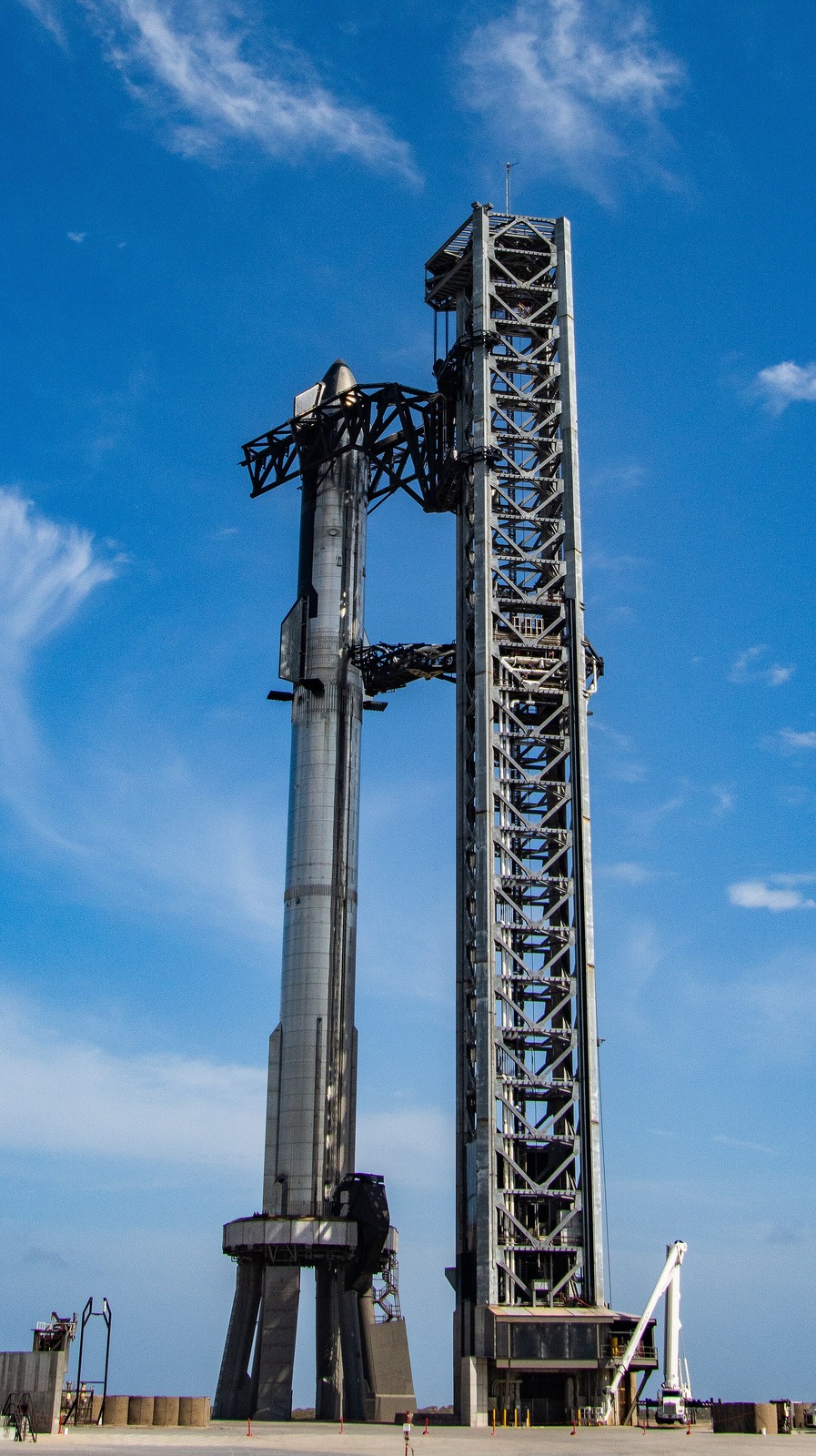
Starship’s first orbit resets SpaceX’s reuse roadmap
Flight 14’s orbital success is the technical gate SpaceX needed. Rapid reuse and Artemis timelines still depend on the next flights.
Starship’s first orbital flight on Monday resets SpaceX’s engineering roadmap from learning flights toward rapid reuse. Ars Technica and Space.com described insertion, payload deploy, and an early Pacific splashdown north of Hawaii after controllers chose not to fly the full multi-orbit plan.
Booster tower catches remain a future bullet; Flight 14 used a soft water profile for Super Heavy. Ship survival through deploy matters more for Starlink and later cargo/crew architectures than a pristine splashdown.
NASA’s Artemis lander timeline still leans on Starship progress later this decade. Watch FAA license cadence and SpaceX’s next NET. Tech history will mark Flight 14 as the day orbit stopped being theoretical for Starship.
Ars and Space.com agree Flight 14 achieved Starship’s first orbit and a successful V3 deploy.
How fast SpaceX turns one orbital success into a reusable cadence is the open engineering question.
Named reporting on this item includes Ars Technica and Space.com. Prefer those links and primary documents over undated social clips when details shift.
Flight 14’s orbital success is the technical gate SpaceX needed. Rapid reuse and Artemis timelines still depend on the next flights.
Product and policy claims in tech travel ahead of filings and events; stick to confirmed meeting times, company statements, and regulator notices when they appear.
Cross-check any sudden claim against the 2 outlets already attached (Ars Technica, Space.com) before resharing it.
Details on this Tech item can still move during Tuesday dayparts; prefer the linked outlets when a number or meeting time changes.
If a midday update revises a figure, match it across at least two independent outlets before treating a single post as settled.
Where outlets agree Ars and Space.com agree Flight 14 achieved Starship’s first orbit and a successful V3 deploy.
Where they differ How fast SpaceX turns one orbital success into a reusable cadence is the open engineering question.