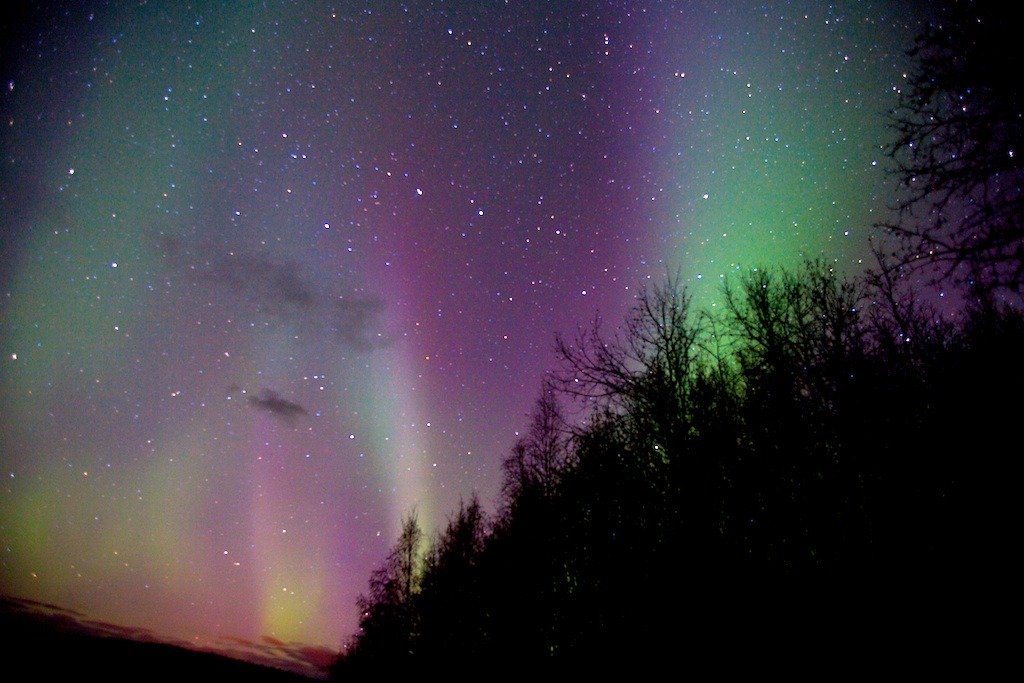
Space-weather offices watch storms that can hit grids and GPS
NOAA space-weather forecasters continue routine storm watches. Severe events can disturb grids, radio, and GNSS.
NOAA’s Space Weather Prediction Center continues routine monitoring of solar activity that can disturb power grids, high-frequency radio, and GNSS precision — a science operations story that rarely trends until a severe storm hits. Satellite operators and airlines on polar routes are standing stakeholders.
Starship and other launch cadences also watch geomagnetic and radiation environments for anomaly risk, though weather and range scrub more flights.
Public alerts live on SWPC pages. Specialty space-weather desk; no claim of an imminent extreme storm overnight without an SWPC watch.
Outlets agree Flight 14’s orbital success and the CAFE emissions debate are the week’s twin physical-science leads.
Space coverage is largely celebratory on milestones; climate coverage splits on the CAFE rule’s emissions math.
Named reporting on this item includes Ars Technica, Space.com, and Associated Press. Prefer those links and primary documents over undated social clips when details shift.
NOAA space-weather forecasters continue routine storm watches. Severe events can disturb grids, radio, and GNSS.
Forecast and climate-policy cards update when agencies publish new numbers; treat long-range outlook language as provisional until the next official product.
Cross-check any sudden claim against the 3 outlets already attached (Ars Technica, Space.com, Associated Press) before resharing it.
Details on this Science & Climate item can still move during Tuesday dayparts; prefer the linked outlets when a number or meeting time changes.
If a midday update revises a figure, match it across at least two independent outlets before treating a single post as settled.
Keep primary documents and box scores ahead of undated social clips when the facts are still settling.
Where outlets agree Outlets agree Flight 14’s orbital success and the CAFE emissions debate are the week’s twin physical-science leads.
Where they differ Space coverage is largely celebratory on milestones; climate coverage splits on the CAFE rule’s emissions math.