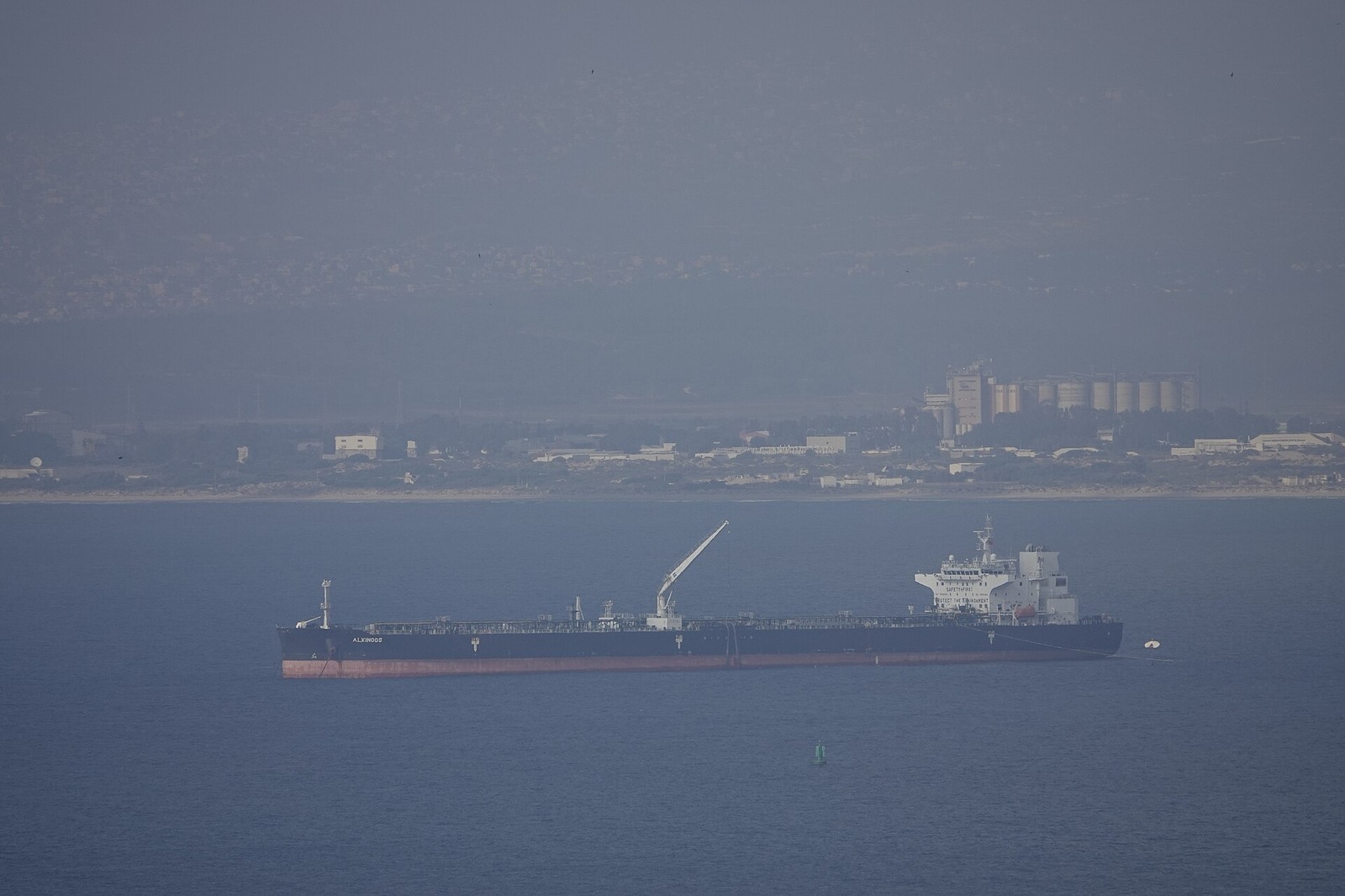
Oil holds war premium as Hormuz diplomacy crawls
Brent’s jump above $106 keeps energy desks focused on Hormuz. Traders are pricing both mediator talks and escalation risk into the same curve.
Brent crude’s push above $106 after President Trump rejected Iran’s Hormuz reopen plan left energy desks balancing two headlines at once: indirect talks through Qatar are continuing, and the physical chokepoint risk has not gone away. Financial market wraps on September 29 tied the spike to sequencing deadlock more than to a single new tanker attack.
For refiners and airlines, the premium shows up in crack spreads and jet-fuel hedges before retail gasoline fully catches every overnight tick. AAA’s recent national average near $4.47 already reflected a month-long grind higher. A credible mediator breakthrough could unwind risk quickly; a kinetic flare would do the opposite.
Equity investors are sorting energy producers from rate-sensitive growth names as the 10-year yield sits near multi-year highs. Watch EIA inventories, Gulf tanker tracking, and any formal U.S. reply Qatar relays midweek. Business readers should treat $106 as a risk marker, not a permanent floor.
Market wraps and international wires agree oil strengthened on Hormuz risk after Trump’s reject while talks continue.
Bulls see prolonged disruption; diplomats still price a path to lower premiums if a reopen deal firms up.
Named reporting on this item includes FinancialMarkets.com, Al Jazeera, and New York Post. Prefer those links and primary documents over undated social clips when details shift.
Brent’s jump above $106 keeps energy desks focused on Hormuz. Traders are pricing both mediator talks and escalation risk into the same curve.
Market moves can reverse quickly around data prints and policy headlines; this briefing sticks to what publishers have already put on the record overnight.
Where outlets agree Market wraps and international wires agree oil strengthened on Hormuz risk after Trump’s reject while talks continue.
Where they differ Bulls see prolonged disruption; diplomats still price a path to lower premiums if a reopen deal firms up.