Brent tops $106 after Trump rejects Iran Hormuz plan
Brent crude climbed above $106 as traders priced fresh Hormuz disruption risk. Trump rejected Iran’s reopen proposal while indirect talks through Qatar continued.
Brent crude pushed above $106 a barrel after President Donald Trump rejected Iran’s seven-day proposal to reopen the Strait of Hormuz, extending a war premium that has also kept U.S. retail gasoline elevated near AAA’s recent $4.47 national average. Market wraps on September 29 tied the jump to sequencing deadlock: Tehran wants blockade and sanctions steps before deeper nuclear talks; Washington insists nuclear progress comes first even as mediators keep shuttling messages.
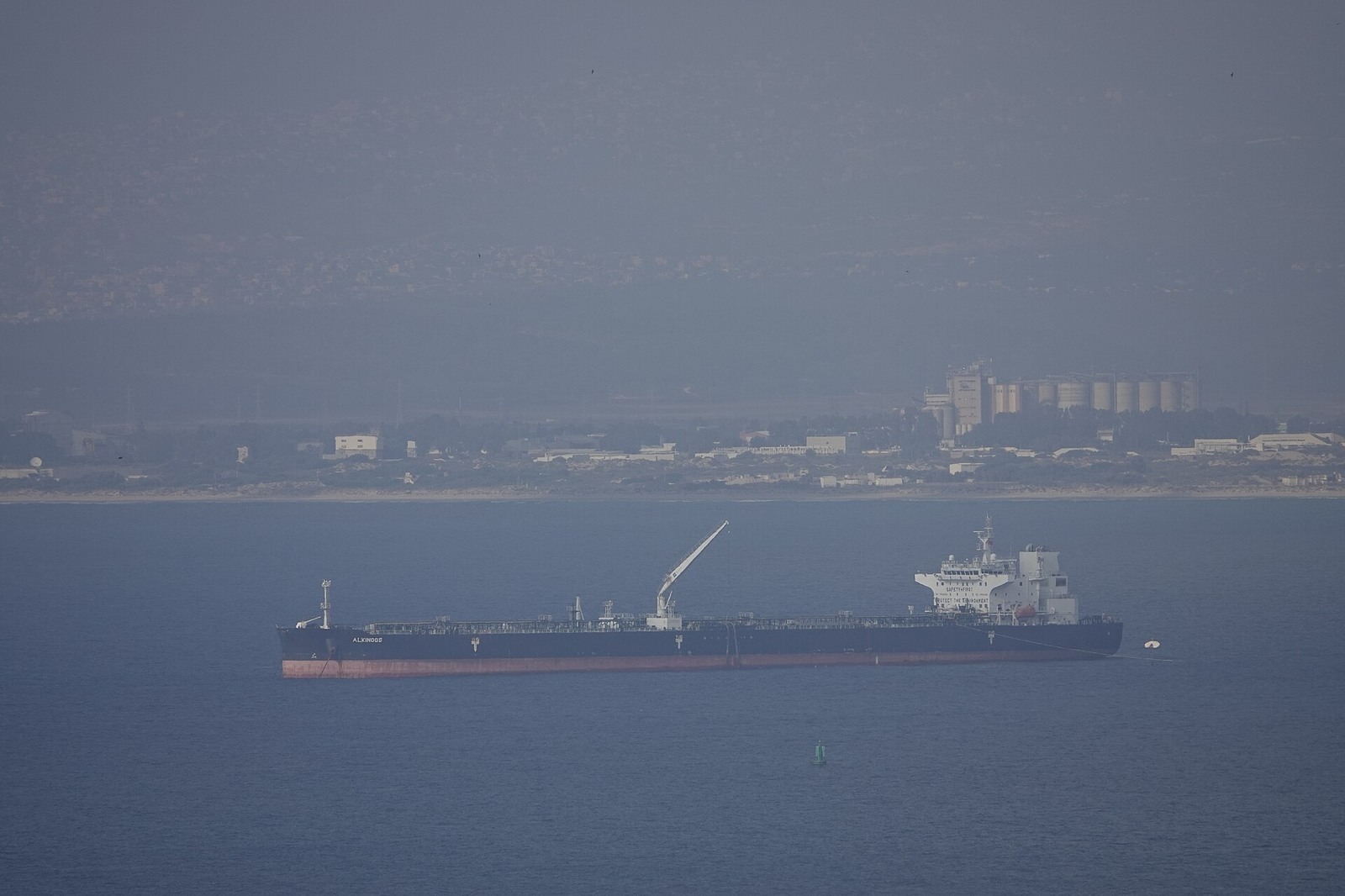
The Strait of Hormuz remains one of the world’s critical oil chokepoints. Months of conflict, naval blockade measures, and episodic strikes on shipping have repeatedly failed to produce a durable reopen arrangement. Indirect talks via Qatar — with Pakistan also previously in the channel — continued into Tuesday even after the public reject, according to Al Jazeera and India Today. That diplomatic thread is why some desks warn against assuming a one-way spike: a credible reopen deal could reverse risk premiums quickly, while fresh kinetic news would do the opposite.
For U.S. households, the oil move lands alongside the administration’s Monday CAFE rollback finalization — a policy mix that eases long-run mileage pressure on automakers while near-term pump prices stay painful. Energy equities and inflation expectations will trade both stories into Wednesday’s PCE print. Watch official inventory data, tanker tracking through the Gulf, and any mediator readout that changes the probability of a strait reopen this week. Overnight verified facts: Brent above $106 in cited wraps; Trump reject still standing; talks not terminated.
Market wraps and international wires agree oil strengthened after Trump rejected Iran’s Hormuz reopen package while talks still run through mediators.
Where outlets agree Market wraps and international wires agree oil strengthened after Trump rejected Iran’s Hormuz reopen package while talks still run through mediators.
Where they differ Bulls see prolonged chokepoint risk; diplomats and some traders still price a midweek mediator reply that could reopen a path to lower risk premiums.